Buyers face tough choices daily. Furniture vinyl fabric offers a budget-friendly option. But is it truly the best fit? This guide breaks down the facts.
We compare vinyl against leather and faux leather. You will learn the pros, cons, and ideal use cases. By the end, you will make smarter sourcing decisions.
We also introduce a premium alternative. Silicone leather technology from TOPSUN delivers eco-friendly performance. Read on for the full comparison.

Understanding Vinyl Furniture Upholstery
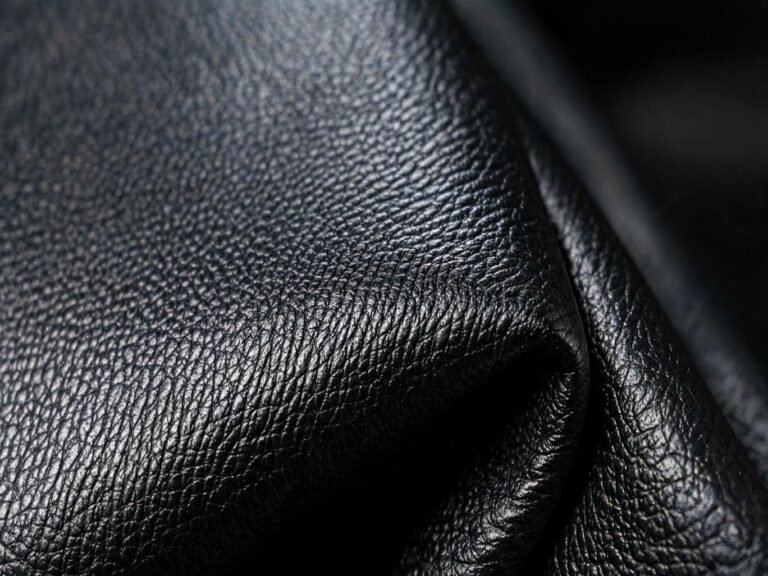
Furniture vinyl fabric is made from PVC resin. It mimics the look of real leather. Manufacturers use plasticizers to add softness and flexibility.
This material has served the industry for decades. It resists water and stains with ease. Cleaning requires only a damp cloth.
Many buyers choose vinyl for high-volume orders. The low cost per yard drives margins up. It suits projects with tight budgets.
- Vinyl furniture is easy to wipe clean.
- It resists moisture and spills.
- Colors remain stable under UV light.
- It costs less than genuine leather.
However, not all vinyl is equal. Lower grades crack after months of use. Higher grades last longer but cost more. Buyers must test samples before bulk orders.
Vinyl Upholstery Fabric: Pros and Cons
Vinyl upholstery fabric shines in specific areas. It also falls short in others. Here is an honest look at both sides.
Pros:
- Highly affordable for large runs.
- Waterproof and stain resistant.
- Wide range of colors available.
- Simple to maintain and sanitize.
- Good for healthcare and food service.
Cons:
- Can feel stiff or plastic-like.
- May crack in cold climates.
- Not biodegradable or eco-friendly.
- Contains plasticizers and additives.
- Heat can melt or warp the surface.
For projects where feel matters most, vinyl may disappoint. Guests notice the synthetic touch right away. That is why many brands now explore furniture upholstery solutions with newer materials.
Vinyl Leather Sofa: Is It Right for Your Project?
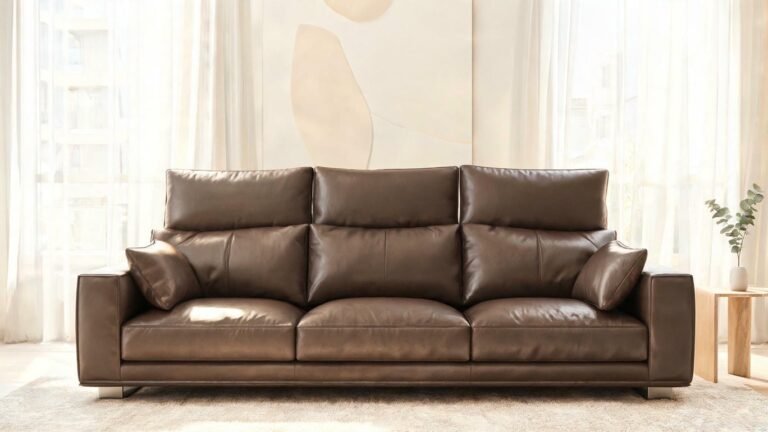
A vinyl leather sofa works well in some settings. Furniture vinyl fabric fails in others. You must match the material to the end user.
For rental properties, vinyl makes sense. Landlords need cheap, durable seating. They replace it every few years anyway.
For luxury homes, vinyl falls flat. Buyers expect soft, breathable surfaces. They want materials that age with grace.
- Vinyl leather sofa fits budget hospitality.
- It suits waiting rooms and clinics.
- It works for short-term furniture.
- It does not suit premium residential.
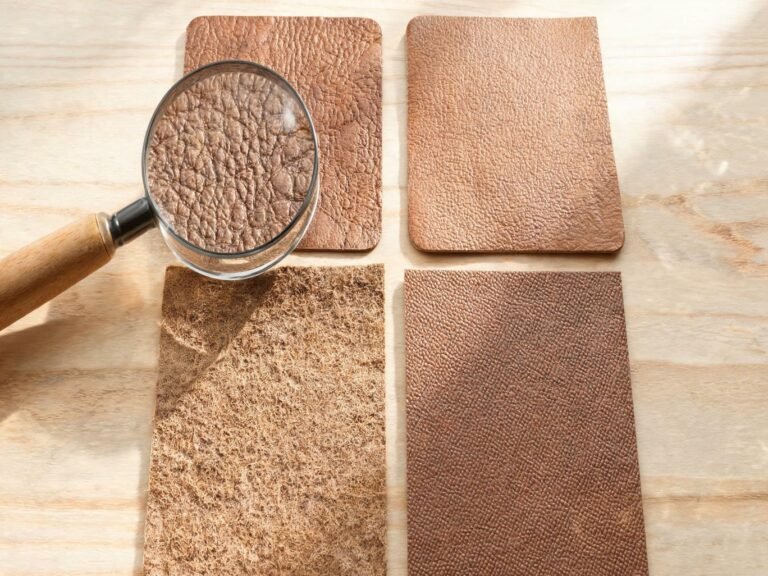
Always request swatches before deciding. Touch and flex the sample yourself. A vinyl leather sofa can look great in photos but feel cheap in person.

Vinyl Leather Couch Durability in High-Traffic Spaces
High-traffic spaces test every material. A vinyl leather couch must endure daily wear. Offices, airports, and hospitals demand toughness.
Vinyl scores well on abrasion tests. It resists scratches from bags and keys. Spills wipe off without leaving stains.
But vinyl has weak points too. Sharp edges can puncture the surface. Prolonged sun exposure causes fading and brittleness.
- Clean weekly with mild soap.
- Avoid direct sunlight on seats.
- Use cushions to distribute weight.
- Replace worn panels as needed.
For public spaces, vinyl remains a common pick. It is cheap to replace and easy to clean. Yet many facility managers now seek longer-lasting options. You can read more about faux leather furniture durability in our technical guide.
Vinyl Chair Upholstery for Commercial Use
Restaurants, hotels, and offices use furniture vinyl fabric widely. The reason is simple. Vinyl withstands heavy daily use.
Chairs in dining rooms face grease and wine. Vinyl chair upholstery blocks liquid absorption. Staff clean tables and seats in minutes.
In medical settings, hygiene is key. Vinyl chair upholstery tolerates bleach and disinfectant. It meets basic sanitation needs.
- Fast to clean between patients.
- Resists most cleaning chemicals.
- Low cost supports bulk buying.
- Available in many standard colors.
Still, vinyl chair upholstery has limits. It can feel sticky in hot weather. It does not breathe like fabric or leather. Guests may notice discomfort during long waits.
Vinyl for Chair Upholstery: Design Options
Vinyl for chair upholstery comes in many styles. Manufacturers emboss grain patterns on the surface. The result looks like real hide.
Color choices are nearly unlimited. You can match brand palettes with ease. Custom runs start at modest volumes.
Backing fabrics also vary. Cotton and polyester add strength. Some backings improve stretch for curved seats.
- Classic grain patterns available.
- Metallic and pearl finishes offered.
- Perforated styles for ventilation.
- Custom thickness from 0.6mm to 1.5mm.
If design flexibility matters, vinyl for chair upholstery delivers. But remember: looks do not equal comfort. Test samples with real users before finalizing your order.
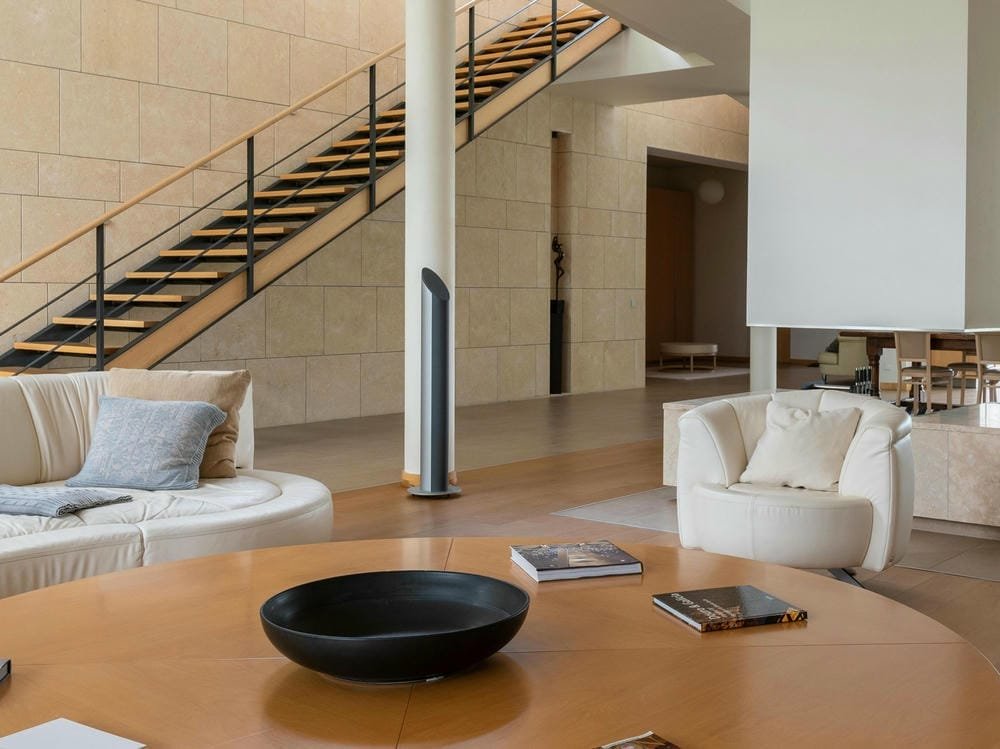
Silicone Leather: A Premium Alternative to Vinyl Fabric
Vinyl has served buyers for years. Now a better option exists. Silicone leather outperforms vinyl across key metrics.
Silicone leather uses liquid silicone rubber. It contains no plasticizers. It contains no solvents. The result is a clean, safe surface.
This material feels soft to the touch. It resists UV, heat, and cold. It does not crack or peel over time.
| Feature | Vinyl | Faux Leather | Silicone Leather |
|---|---|---|---|
| Durability | Moderate, prone to cracking | Good, varies by grade | Excellent, long lifespan |
| Eco-Friendly | No, PVC-based | Partially | Yes, solvent-free |
| Softness | Stiff, plastic feel | Soft to moderate | Very soft, skin-like |
| Maintenance | Easy to wipe | Easy to clean | Wipe to renew |
| Temperature Range | Narrow | Moderate | -40C to 200C |
| Cost | Low | Mid-range | Premium |
Silicone leather meets strict standards. It passes ASTM material standards for furniture and automotive use. It also complies with FDA and REACH rules.
For buyers seeking vegan leather options, silicone is ideal. It contains no animal products. It also avoids the toxins found in PVC.
We also serve baby and kids products markets. Parents demand safe, odorless materials. Silicone leather meets these demands with ease.
Frequently Asked Questions
Is vinyl fabric for furniture waterproof?
Yes, vinyl resists water and most spills. Liquid sits on the surface. You can wipe it away quickly.
How long does vinyl furniture last?
Low-grade vinyl lasts two to five years. High-grade vinyl lasts five to ten years. Climate and use affect lifespan greatly.
Can I use vinyl for outdoor furniture?
Standard vinyl fades in direct sun. Some UV-stabilized grades exist. For outdoor use, silicone leather performs better.
Is vinyl safe for baby products?
Standard vinyl may release odors. Some grades contain phthalates. For baby goods, silicone leather is the safer pick.
What is the best alternative to vinyl?
Silicone leather offers the best balance. It is eco-friendly, durable, and soft. It outlasts vinyl in every test.
Conclusion
Furniture vinyl fabric remains a low-cost choice. It works for budget projects and high-turnover spaces. It is easy to clean and widely available.
But vinyl is not perfect. It cracks, feels stiff, and lacks eco-friendly credentials. For brands that value quality, it falls short.
Silicone leather offers a clear upgrade. It lasts longer, feels better, and meets global safety standards. Consider it for your next project.
Ready to Upgrade Your Upholstery?
TOPSUN is a leading silicone leather manufacturer based in China, offering custom color, texture, and backing solutions for furniture, automotive, marine, and fashion industries. Our silicone leather provides a premium, eco-friendly alternative to traditional vinyl fabric.