If you source cabin materials for an OEM or tier-one, 2026 is the year the spec sheet stopped looking familiar. Screens have melted into trim, touch has replaced buttons, and buyers now judge a cabin on smell and air quality as much as on stitching. The automotive interior trends 2026 cycle is being shaped by two engines at once: smart-surface integration and a hard pivot to sustainable, low-emission materials. Industry data puts China’s passenger-car interior panel market alone above RMB 145 billion in 2026, growing at roughly 8.5–9.2% CAGR as per-vehicle interior value climbs [1]. For procurement teams, the practical question is which surface materials can satisfy both the connected-cabin brief and tightening ESG rules without inflating cost.
Download 2026 Material Catalog
Smart Surfaces and the Connected Cabin
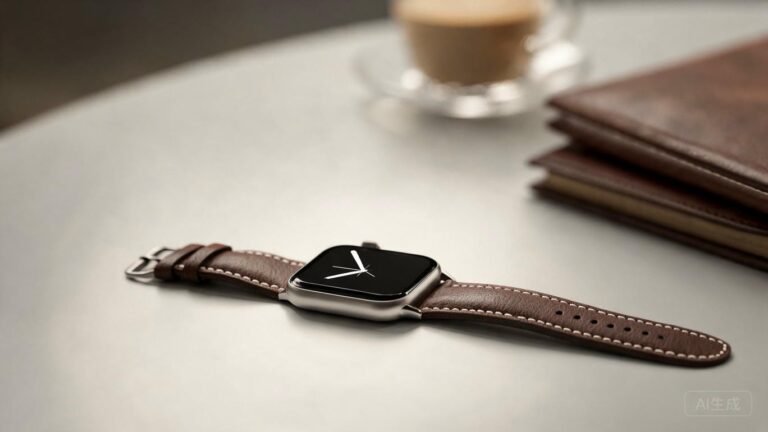
The cabin is becoming a computing surface. Flexible electronics now live behind and within trim — capacitive touch zones on door panels, hidden-until-lit displays wrapped in leather, and ambient lighting that reacts to occupants. This changes what the covering material must do. It can no longer be purely decorative; it needs stable dielectric behavior, consistent thickness for backlight uniformity, and the ability to survive the heat a display stack generates over a ten-year vehicle life.
That last point trips up many suppliers. A covering that looks flawless at sign-off can yellow or embrittle behind a warm display within two years. We have seen firsthand how silicone leather, stable from −40 °C to 250 °C with no plasticizer migration, holds up where solvent-PU laminates start to fog and discolor. For a parallel read on where the broader textile sector is heading, our textile industry trends 2026 analysis covers the macro forces.

Automotive Interior Trends 2026: Sustainable Goes Standard
Sustainability has crossed from marketing claim to procurement requirement. Revised EU ELV rules, carbon-border adjustments and OEM recycled-content targets mean a supplier now needs verifiable data on carbon footprint and end-of-life recyclability — not just a “green” badge. Water-based coatings, bio-based polymers and chrome-free tanning are converging across both genuine and synthetic routes, but the materials that win will be the ones that are recyclable without performance compromise.
The shift in one number: OEM interior recycled-content targets for 2026 models commonly exceed 20% by mass in Europe, forcing a move away from multi-layer PVC composites that cannot be separated for recycling.
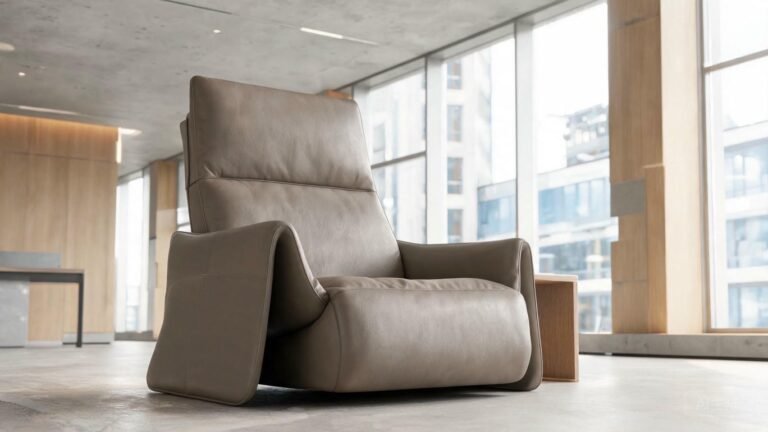
Silicone leather fits this brief cleanly. It contains no PVC, phthalates or heavy metals, is 100% recyclable, and carries REACH SVHC-free and PAHs-free verification from SGS. When a buyer’s RFP asks for a recyclable, low-VOC trim that still feels premium, the material answers without qualifiers. Our automotive interior applications page details how that translates into seat, door and dashboard specifications.
Surface Materials Get Smarter
Beyond touch and sustainability, 2026 trim is expected to be functional. Antimicrobial surfaces, self-cleaning finishes, and integrated heating or ventilation are moving from flagship models into mid-segment vehicles. Each of these functions imposes a new constraint on the covering — antimicrobial additives must not leach, heated surfaces must not off-gas, and perforated ventilation patterns must not tear under flex.

Silicone’s inherent antimicrobial property is a quiet advantage here. It inhibits bacteria, mold and fungi without chemical additives, so the function does not degrade over cleaning cycles. The material also tolerates alcohol, bleach and quat disinfectants — relevant as cabin hygiene expectations rise post-pandemic. Pair that with a Martindale rating above 200,000 cycles and pencil hardness of 2H, and the same surface handles daily wear and sterilization without losing finish.
Watch how silicone leather delivers the smart-surface properties 2026 cabins demand.
What 2026 EV Cabins Demand from Trim
Electric vehicles sharpen every interior requirement. With no engine masking noise, squeaks and rattles from aging trim become intolerable. Without waste heat, cabin air sits still, so any VOC emission lingers and is immediately noticed. And because EV buyers skew toward ESG-conscious demographics, the material story matters as much as the range figure.
| EV Cabin Demand | Why It Matters | Silicone Leather Answer |
|---|---|---|
| Near-zero odor | No engine noise masks smells | VDA 270 ≤ 3, no plasticizers |
| Low fogging | Static air concentrates volatiles | < 2 mg per DIN 75201 |
| UV stability | Large glass roofs increase exposure | 1,500+ h xenon, grade 4–5 |
| Recyclable | ELV recycled-content targets | 100% recyclable, no PVC |
| Flame safe | Battery thermal-runoff risk | EN 13773 Class 4, self-extinguishing |

These are not theoretical checkboxes. Each row maps to a test report a buyer can request before signing off. For OEMs already rethinking their leather sourcing for the 2026 cycle, our deeper automotive leather trends 2026 OEM guide lays out the competitive landscape, while microfiber alternatives are covered in our piece on microfiber leather for automotive use.
Get a Custom Quote for 2026 Programs
Where Automotive Interior Trends 2026 Leave Buyers
The 2026 cycle rewards materials that do three things at once: integrate with smart surfaces, pass tightening sustainability audits, and hold up over a longer EV warranty period. Silicone leather is one of the few chemistries that clears all three bars without trading off feel or cleanability. For sourcing teams mapping their next cabin program, the priority is clear — get certified test data in hand early, validate against real display-heat and cleaning protocols, and lock in a material partner who can scale with the model timeline. The suppliers who move first on these automotive interior trends 2026 will set the benchmark everyone else chases.
About TOPSUN
TOPSUN Silicone Leather Co., Ltd. operates 18 automated production lines across three bases, delivering 500,000+ meters monthly to OEM and tier-one clients in 30+ countries. Our automotive-grade silicone leather is engineered for low-VOC, UV-stable and flame-safe cabin trim.
Relevant certifications: REACH (SVHC-free), PAHs-free, ISO 10993-5, VDA 270 odor ≤ 3, VDA 277 low-VOC, EN 13773 Class 4, FAR 25.853, ELV-compliant.