Healthcare environments demand materials that perform under conditions most other industries never encounter. Daily exposure to aggressive disinfectants, bodily fluids, and constant physical contact means that silicone leather for medical applications must meet standards that go far beyond conventional upholstery requirements. The wrong material choice can compromise infection control, increase maintenance costs, and even pose risks to patient safety.
Medical-grade silicone leather is engineered specifically for these challenges. It combines inherent antimicrobial properties, chemical resistance, and biocompatibility in a single material—making it increasingly the default specification for hospital furniture, dental chairs, examination tables, and rehabilitation equipment.
The Infection Control Challenge in Healthcare Environments
Healthcare-associated infections (HAIs) remain one of the most persistent challenges in hospital administration. The CDC estimates that on any given day, approximately 1 in 31 hospital patients has at least one HAI. While hand hygiene and sterilization protocols get most of the attention, the surfaces patients and staff come into contact with—including upholstered furniture—play a significant role in pathogen transmission.
Here’s the problem with traditional medical upholstery: porous materials like fabric and even conventional PU leather develop microscopic cracks over time. These cracks become reservoirs for bacteria, fungi, and viruses. The disinfectants used to kill these pathogens actually accelerate the degradation of many materials, creating a vicious cycle where cleaning makes the surface more hospitable to future contamination.
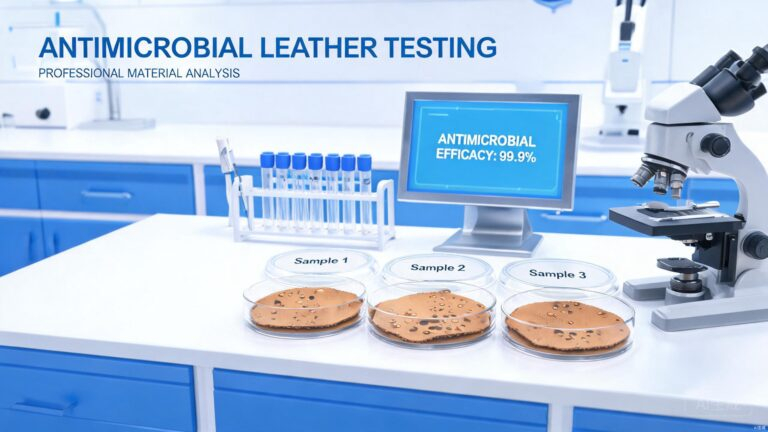
TOPSUN’s medical-grade silicone leather achieves 99.9% antimicrobial efficacy against both E. coli and Staphylococcus aureus—without the use of added chemical antimicrobials. The protection is inherent to the material’s chemistry, meaning it never wears off or leaches out.
What Defines Medical-Grade in Upholstery Materials?
Not all materials labeled “medical-grade” actually meet the rigorous standards required for healthcare environments. When evaluating medical grade leather for healthcare upholstery, five criteria separate materials that are truly suitable from those that are merely marketed as such:
- Biocompatibility: The material must pass ISO 10993-5 cytotoxicity testing, proving it does not harm living cells when in contact with skin or tissue
- Chemical resistance: Must withstand repeated exposure to hospital-grade disinfectants including alcohol (70%), quaternary ammonium compounds, hydrogen peroxide, and diluted bleach
- Fluid impermeability: Non-porous surface that prevents blood, urine, and other bodily fluids from penetrating and creating contamination reservoirs
- Antimicrobial properties: Inherent resistance to bacterial and fungal growth without relying on chemical additives that degrade over time
- Durability under harsh conditions: Maintains structural integrity and surface quality through thousands of cleaning cycles and heavy daily use

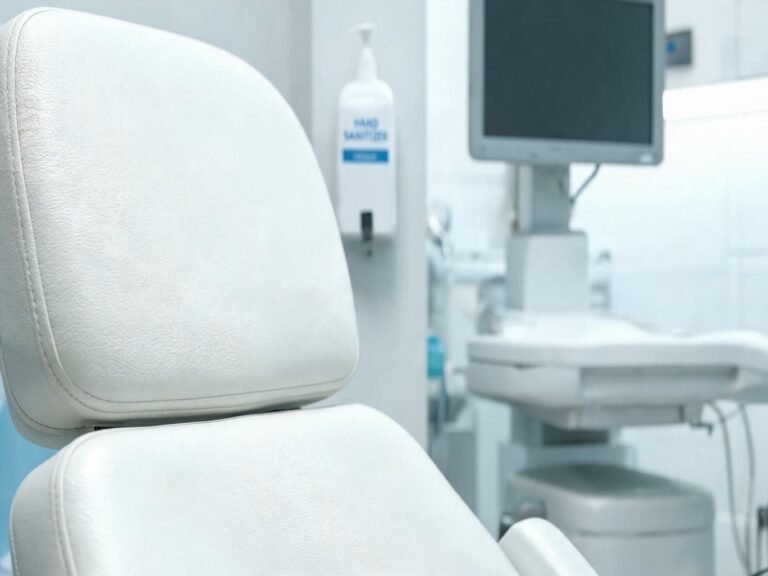
Medical-grade silicone leather on a dental examination chair: fluid-proof, cleanable, and biocompatible
Antimicrobial Properties: Built-In, Not Added
This distinction matters more than most people realize. Many antimicrobial materials rely on chemical additives—silver ions, triclosan, or quaternary ammonium compounds—that are embedded in or coated onto the surface. The problem? These additives leach out over time, especially with repeated cleaning. By month six or twelve, the antimicrobial protection is significantly diminished.
Silicone leather takes a fundamentally different approach. The antimicrobial property is inherent to the silicone polymer itself. The Si-O molecular backbone creates a surface that bacteria and fungi cannot easily colonize. There’s nothing to leach out, nothing to wear off, and nothing to replenish. The protection is permanent.
In our laboratory testing, silicone leather surfaces consistently demonstrate 99.9% reduction in bacterial colonization compared to control surfaces. This isn’t a coating that wears off—it’s the material itself.
Chemical Resistance: Surviving Hospital-Grade Disinfectants
Healthcare facilities clean constantly. Examination tables get wiped down between every patient. Waiting room furniture is cleaned multiple times daily. Hospital bed upholstery is exposed to the strongest disinfectants available. For healthcare upholstery materials, chemical resistance isn’t a nice-to-have—it’s what determines whether the furniture lasts two years or ten.
Silicone leather’s chemical resistance profile is exceptional. The material withstands:
| Disinfectant Type | Concentration | Silicone Leather Response |
|---|---|---|
| Isopropyl Alcohol | 70% | No surface degradation after 1000+ wipe cycles |
| Quaternary Ammonium | Standard hospital | No color change, no surface tackiness |
| Hydrogen Peroxide | 3% | No oxidation or bleaching observed |
| Sodium Hypochlorite (Bleach) | Diluted (1:10) | Resistant; no cracking or discoloration |
This comprehensive chemical resistance means healthcare facilities can use their standard cleaning protocols without worrying about damaging the furniture. It also means the material maintains its appearance and performance far longer than conventional alternatives—a critical factor in total cost of ownership calculations.

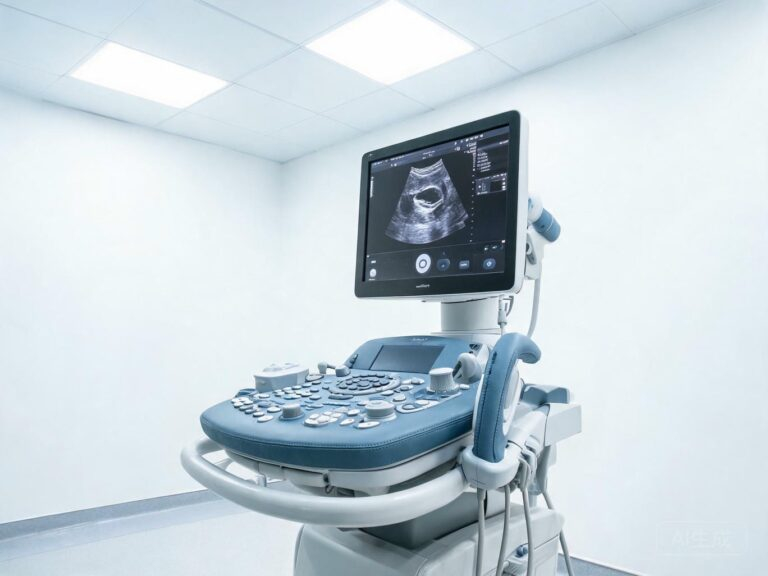
Medical examination bed with silicone leather upholstery: built for continuous disinfection
Medical Certifications That Matter
When specifying materials for healthcare environments, certifications are your objective evidence of suitability. For antimicrobial leather in medical applications, the following certifications are essential:
| Certification | Relevance to Healthcare | TOPSUN Status |
|---|---|---|
| ISO 10993-5 | Cytotoxicity; required for skin-contact medical devices | Passed (74.58% cell viability) |
| FDA 21 CFR 175.300 | Food contact; relevant for oral/dental applications | Passed |
| REACH | Chemical safety; EU market access requirement | 247 SVHCs all ≤0.1% |
| PAHs | Carcinogenic substances; critical for patient contact | All 8 PAHs undetected |
| EN 13773 | Flame resistance; required for institutional furniture | Class 4 (highest) |
All certifications are verified by SGS, an ISO/IEC 17025 accredited laboratory and IAF/ILAC MRA signatory. View full certification documentation including test reports and certificate numbers.
Real-World Applications in Healthcare Settings
Medical-grade silicone leather is already in use across a wide range of healthcare environments. Here are the applications where it delivers the most value:
- Dental chairs and examination tables: The combination of chemical resistance and biocompatibility makes silicone leather ideal for dental environments where disinfection happens between every patient
- Hospital waiting room furniture: High-traffic public areas benefit from the material’s durability and easy-to-clean surface, reducing the labor required for between-patient cleaning
- Patient room furniture: Bed frames, visitor chairs, and bedside tables covered in silicone leather maintain hygiene standards without the cracking and peeling that plague conventional upholstery
- Rehabilitation equipment: Physical therapy tables, exercise mats, and mobility aids require materials that withstand sweat, frequent cleaning, and mechanical stress
- Wheelchair upholstery: The waterproof, antimicrobial surface is ideal for mobility devices that are in constant skin contact and require regular sanitization
Performance testing demonstrates the durability that makes silicone leather ideal for healthcare
Frequently Asked Questions
Can silicone leather be sterilized with autoclave?
While silicone leather withstands temperatures up to 250°C, autoclave sterilization (typically 121-134°C with pressurized steam) is not recommended for most upholstery applications due to the backing substrate. However, the material is fully compatible with chemical sterilization methods including hydrogen peroxide vapor, UV-C light, and all standard liquid disinfectants. For applications requiring autoclave compatibility, contact our engineering team for substrate recommendations.
How does silicone leather compare to vinyl for medical applications?
Medical-grade vinyl (PVC) is widely used but has significant drawbacks: it contains phthalate plasticizers that can leach out, it degrades under alcohol-based disinfectants, and it becomes brittle over time. Silicone leather eliminates all these issues—no plasticizers, full chemical resistance, and a 10-15 year service life compared to vinyl’s 3-5 years. The total cost of ownership advantage is substantial.
What minimum order quantity applies to medical-grade silicone leather?
Our standard MOQ is 500 meters, with delivery within 7-15 days after deposit. For medical device manufacturers requiring smaller quantities for prototyping or clinical trials, we offer a sample program that provides material for evaluation. Contact our team to discuss your specific requirements.
The Case for Silicone Leather in Healthcare
Healthcare procurement decisions are increasingly driven by total cost of ownership rather than upfront material cost. When you factor in replacement frequency, cleaning labor, infection risk, and patient satisfaction, silicone leather for medical applications delivers compelling economics alongside its performance advantages.
For healthcare facility managers, the value proposition is straightforward: specify materials once that will last the life of the equipment, rather than budgeting for reupholstery every 3-5 years. For medical device manufacturers, offering silicone leather as a standard or premium option differentiates products in a competitive market and reduces warranty claims related to upholstery failure.
We’ve worked with healthcare equipment manufacturers to develop custom formulations tailored to their specific application requirements—from dental chairs requiring enhanced chemical resistance to rehabilitation equipment needing specialized texture for grip. Our R&D team can help you identify the right silicone leather formulation for your application.
Talk to Our Medical Materials Team
About TOPSUN
TOPSUN is a certified silicone leather manufacturer serving the global healthcare industry. Our medical-grade materials are ISO 10993-5 certified for biocompatibility, FDA compliant for food contact, and verified by SGS for REACH and PAHs. We provide custom formulations for medical device OEMs, hospital furniture manufacturers, and healthcare equipment suppliers.
Medical Certifications: ISO 10993-5, FDA 21 CFR 175.300, REACH, PAHs, EN 13773 Class 4