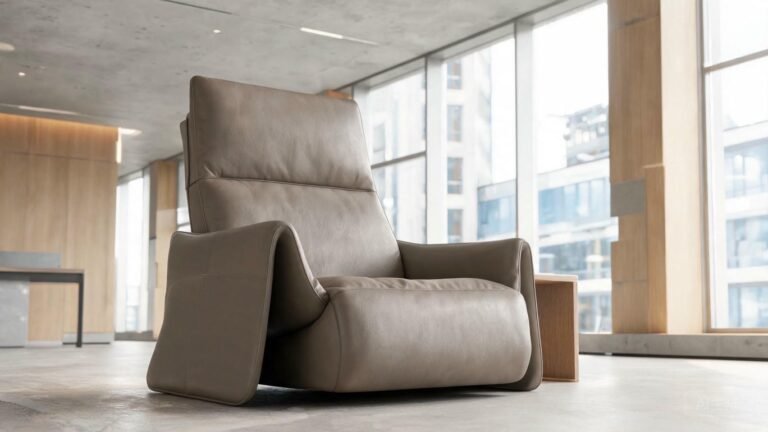
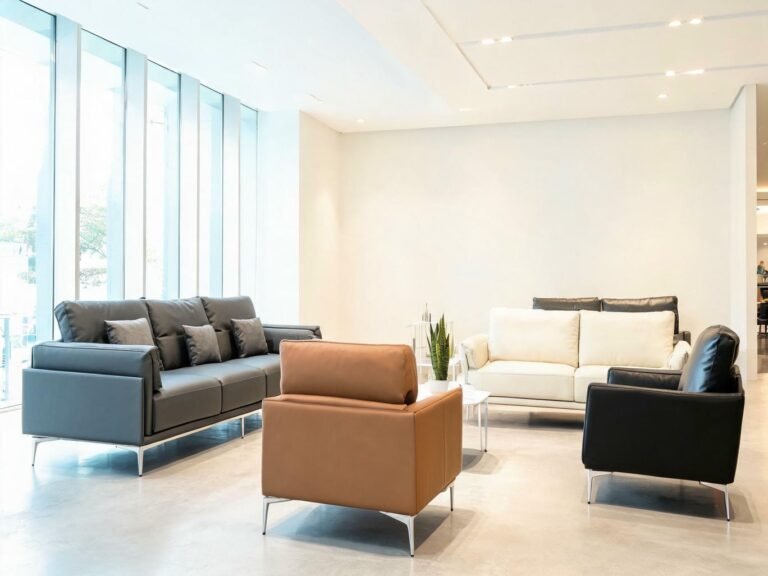
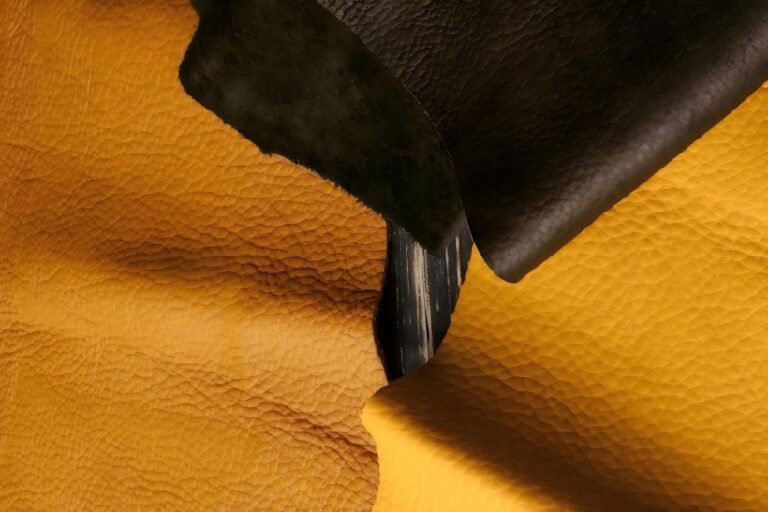
Boat owners face a harsh reality. Salt water destroys fabrics. UV rays fade colors. Mold grows quickly. Marine upholstery must survive extreme conditions. Choosing the right material protects your investment. It also keeps passengers comfortable and safe.
This guide covers everything you need. We compare popular marine upholstery materials. You will learn about vinyl, faux leather, and advanced options. Discover what works best for your project.
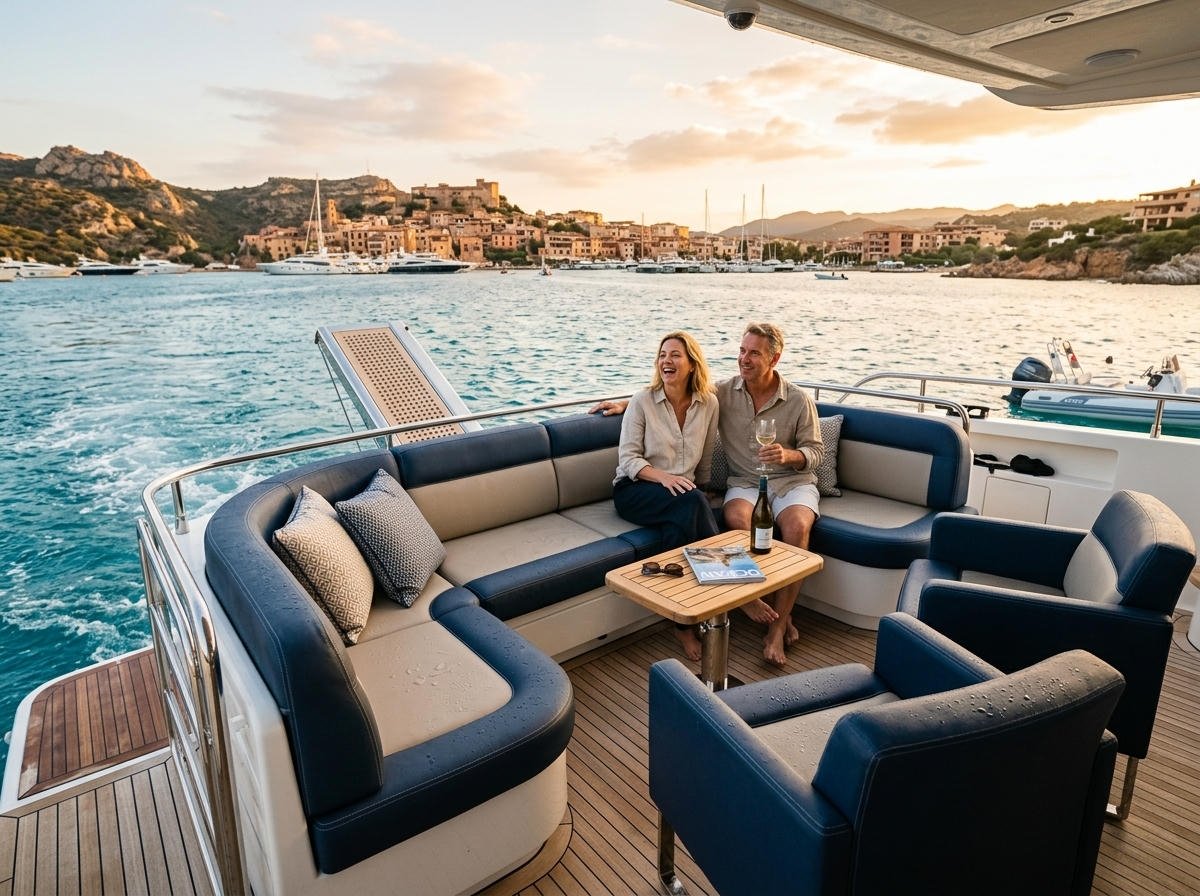
What Is Marine Upholstery?
Marine upholstery refers to padded coverings on boats. It includes seats, cushions, and headliners. It also covers helm chairs and sun pads. These items face constant moisture and sun exposure.
Standard indoor fabrics fail at sea. They absorb water. They mildew within weeks. Marine-grade products solve these problems. Quality marine upholstery materials resist salt, sun, and stains.
Key features of marine-grade coverings include:
- Waterproof or water-resistant barriers
- UV stabilizers to prevent fading
- Mildew-resistant top coatings
- Salt-spray corrosion protection
- Easy-clean stain release surfaces
Boat builders and refit yards demand durability. Passenger safety depends on flame-retardant properties. Marine and outdoor applications require specialized solutions. TOPSUN develops materials for these exact needs.
Marine Vinyl vs Marine Faux Leather
Marine vinyl dominates the market. It is affordable and widely available. Most boat seats use vinyl today. It offers decent water resistance. However, vinyl has drawbacks. It can crack in cold weather. It gets sticky in direct sun. Phthalate plasticizers raise health concerns.
Marine faux leather offers a softer touch. It mimics genuine leather aesthetics. Modern formulations improve durability. Yet not all faux leather performs equally. Some versions absorb moisture over time. Others delaminate under constant humidity.
Consider these differences:
- Marine vinyl costs less upfront
- Marine faux leather feels more premium
- Vinyl can become brittle with age
- Faux leather may require specialized cleaning
- Both need UV protection for longevity
Buyers should request test reports. Marine faux leather guide explains specifications in detail. Advanced silicone leather technology now offers a third path.
| Feature | Marine Vinyl | Marine Faux Leather | Silicone Leather |
|---|---|---|---|
| Water Resistance | Good | Moderate | Excellent |
| UV Stability | Moderate | Variable | Excellent |
| Cold Crack | Poor | Moderate | Excellent |
| Salt Spray | Moderate | Moderate | Excellent |
| Eco-Friendly | No | Sometimes | Yes |
| Lifespan | 3-5 years | 4-6 years | 8-10+ years |
Best Boat Interior Fabric Options
Boat interior fabric choices extend beyond vinyl. Acrylic canvas works well for covers. Polyester blends resist stretching. Solution-dyed fabrics hold color longer.
Each fabric serves a specific purpose. Seat bases need abrasion resistance. Cushion tops need waterproof barriers. Headliners need mold resistance.
Top boat interior fabric categories include:
- Solution-dyed acrylics for fade resistance
- Polyester mesh for breathability
- Coated nylons for toughness
- Silicone-coated textiles for premium feel
Fabric weight matters. Heavier fabrics last longer. However, weight affects flexibility. Balance durability with comfort. Furniture upholstery solutions share similar selection principles.

Yacht Upholstery Design Considerations
Yacht upholstery demands premium aesthetics. Owners expect luxury finishes. Materials must look elegant. They must also survive ocean conditions.
Color selection affects heat absorption. Dark colors get hot in sun. Light colors show stains easier. Neutral tones offer safe balance.
Texture impacts both look and grip. Smooth surfaces clean easily. Embossed patterns hide wear. Custom textures elevate brand identity.
Key design factors:
- Stitching must resist salt corrosion
- Foam density affects comfort and drainage
- Seam sealing prevents water intrusion
- Backing fabric adds dimensional stability
Superyacht projects need custom solutions. Bespoke colors match interior themes. TOPSUN provides custom texture and backing options. We support low Minimum Order Quantities.
Marine Fabric Performance Standards
Quality marine fabric meets strict standards. Buyers should verify certifications. IMO marine safety standards govern flame resistance. UV resistance tests measure color retention. Abrasion tests predict wear life.
Important marine fabric test standards include:
- ASTM D4329 for UV exposure
- ASTM D6611 for cold crack resistance
- ISO 4892 for accelerated weathering
- IMO FTP Code Part 8 for fire safety
Salt spray testing matters for ocean use. Materials should resist corrosion. Metal fittings often fail first. However, fabric degradation follows.
Mildew resistance is critical. Warm, wet conditions promote growth. Antimicrobial additives help. Regular cleaning extends material life.
Perforated Marine Vinyl for Comfort Seating
Perforated marine vinyl offers breathability. Tiny holes allow air circulation. Passengers stay cooler in heat. Moisture escapes faster after rain.
This material suits helm seats. It works well for sun pads. Any seating area benefits. However, perforations create weak points.
Consider these pros and cons:
- Improved airflow reduces sweating
- Faster drying after water exposure
- Holes may expand with age
- Stains can penetrate more easily
- Cleaning requires gentle techniques
Not all perforations are equal. Laser-cut holes offer precision. Molded perforations cost less. Pattern density affects both look and function.
Silicone Leather: The Next-Gen Marine Upholstery Solution
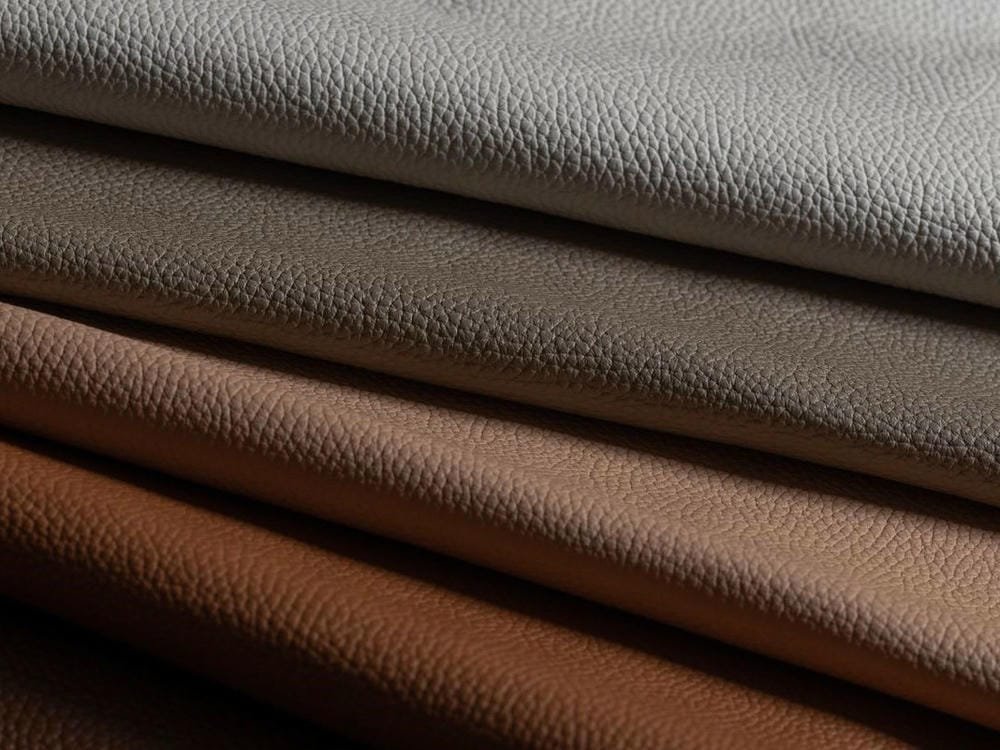
Silicone leather represents a breakthrough. It combines silicone rubber with fabric backing. The result outperforms traditional options. It solves problems vinyl cannot fix.
Marine-grade silicone leather resists salt spray. It stays flexible in freezing temperatures. UV stabilizers prevent fading for years. It contains no plasticizers or solvents.
Key advantages for marine use:
- Zero VOC emissions improve cabin air
- Hydrolysis resistance prevents breakdown
- Mildew and bacteria resistance built-in
- Soft touch even after years of sun
- Easy wipe-clean maintenance
Boat builders gain design freedom. Custom colors match any interior. Embossed textures replicate luxury hides. Flame-retardant grades meet IMO requirements.
Waterproof faux leather technology keeps advancing. Silicone leather leads this evolution. It delivers performance without compromise.
Frequently Asked Questions
How long does marine upholstery last?
Quality marine upholstery lasts five to ten years. Vinyl typically lasts three to five years. Silicone leather extends this to eight or more. Proper maintenance doubles any material lifespan.
What is the best material for boat seats?
Silicone leather offers the best overall value. It resists water, UV, and salt. It stays soft in all temperatures. It also meets fire safety standards.
Is marine vinyl waterproof?
Marine vinyl resists water well. However, seams and stitching may leak. Water can enter through needle holes. Proper seam sealing solves this issue.
Can I use regular faux leather on boats?
Standard faux leather fails quickly at sea. It lacks UV stabilizers. Moisture causes delamination. Always choose marine-grade formulations.
How do I maintain marine upholstery?
Rinse with fresh water weekly. Clean with mild soap monthly. Avoid harsh chemicals. Dry covers before storage. These simple steps preserve material integrity.
Conclusion
Choosing the right marine upholstery protects your vessel. It ensures passenger comfort. It reduces long-term replacement costs. Marine vinyl offers budget-friendly basics. Marine faux leather adds style. Silicone leather delivers top performance.
Evaluate your specific needs. Consider climate conditions. Review certification requirements. Then select materials that match your goals. Quality marine upholstery is an investment. It pays dividends over years of service.
Ready to Upgrade Your Marine Upholstery?
Request free samples today. Compare materials side by side. TOPSUN leads silicone leather manufacturing in China. We customize color, texture, and backing. Our marine-grade silicone leather resists salt, UV, and water.