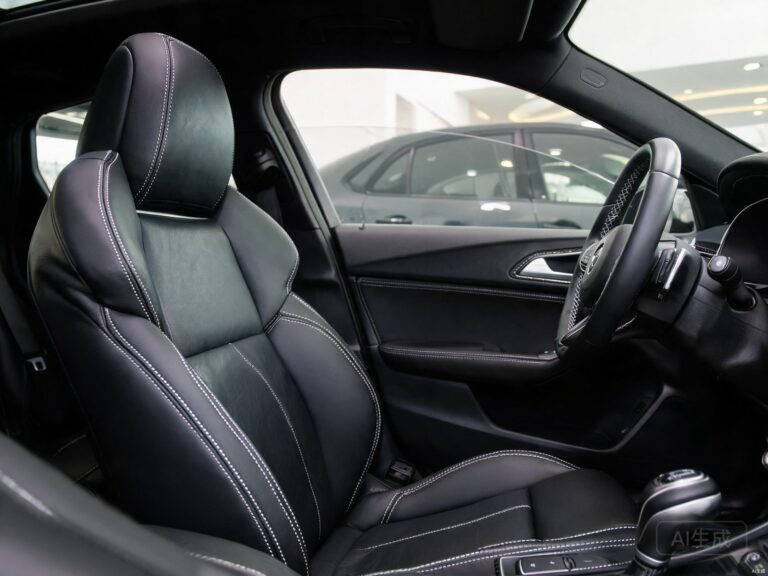
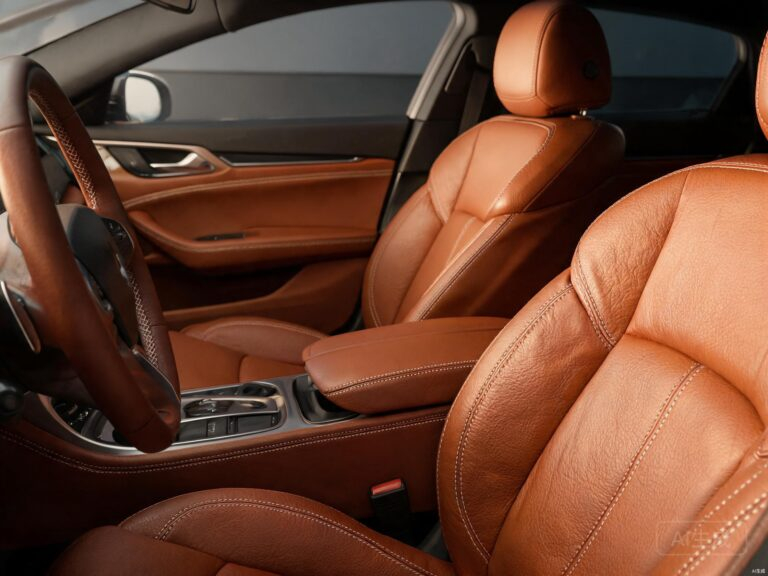
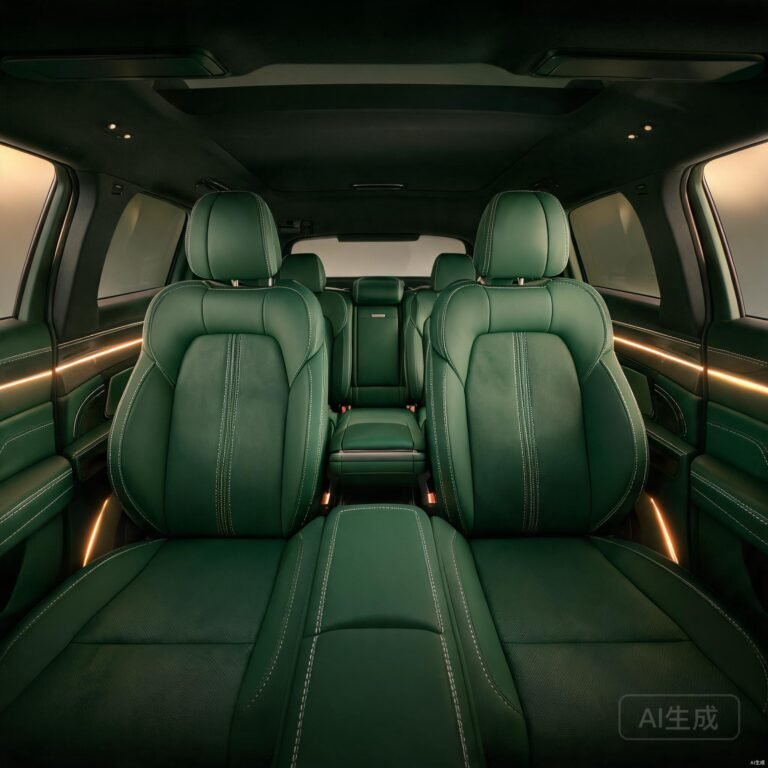
The global automotive industry is shifting toward sustainable, high-performance interior materials. Microfiber leather for automotive applications has gained massive traction among OEMs and Tier 1 suppliers. It offers a soft hand feel. It mimics genuine leather. It also comes at a lower cost. However, this popular car leather fabric faces serious challenges. Heat aging, UV degradation, and VOC emissions remain top concerns for engineers. This article breaks down the pros and cons. Then it reveals why premium brands are now upgrading to silicone leather for longer-lasting interiors.

What Is Microfiber Leather and Why Do Car Brands Use It?
Microfiber leather is a synthetic material. It uses ultra-fine polyester fibers. These fibers are bundled and coated with polyurethane. The result is a soft, durable surface. Many automakers use it for seats, dashboards, and door panels. It feels close to real leather. It also allows better cost control than genuine hides.
In recent years, demand for automotive synthetic leather has surged. EV startups and legacy brands alike want vegan-friendly options. They also need materials that support mass production. Microfiber leather fits this gap well. It provides consistent color matching. It enables complex stitching patterns. And it reduces reliance on animal-based supply chains.
- Soft touch and premium hand feel
- Lower unit cost versus genuine leather
- Design flexibility for custom textures
- Lightweight compared to natural hides
The Real Advantages of Microfiber Leather in Car Interiors
When sourced from reputable mills, microfiber leather delivers clear benefits. Its dense fiber structure resists punctures better than PVC. It also breathes more effectively than traditional PU. This matters for long drives. Passengers feel cooler. Moisture buildup is reduced.
Another major plus is abrasion resistance. Top grades withstand over 100,000 Martindale cycles. That makes microfiber leather a practical car seat cover material for fleet vehicles and family cars. OEMs also value its stable supply chain. Unlike cowhide, synthetic production avoids seasonal price swings.
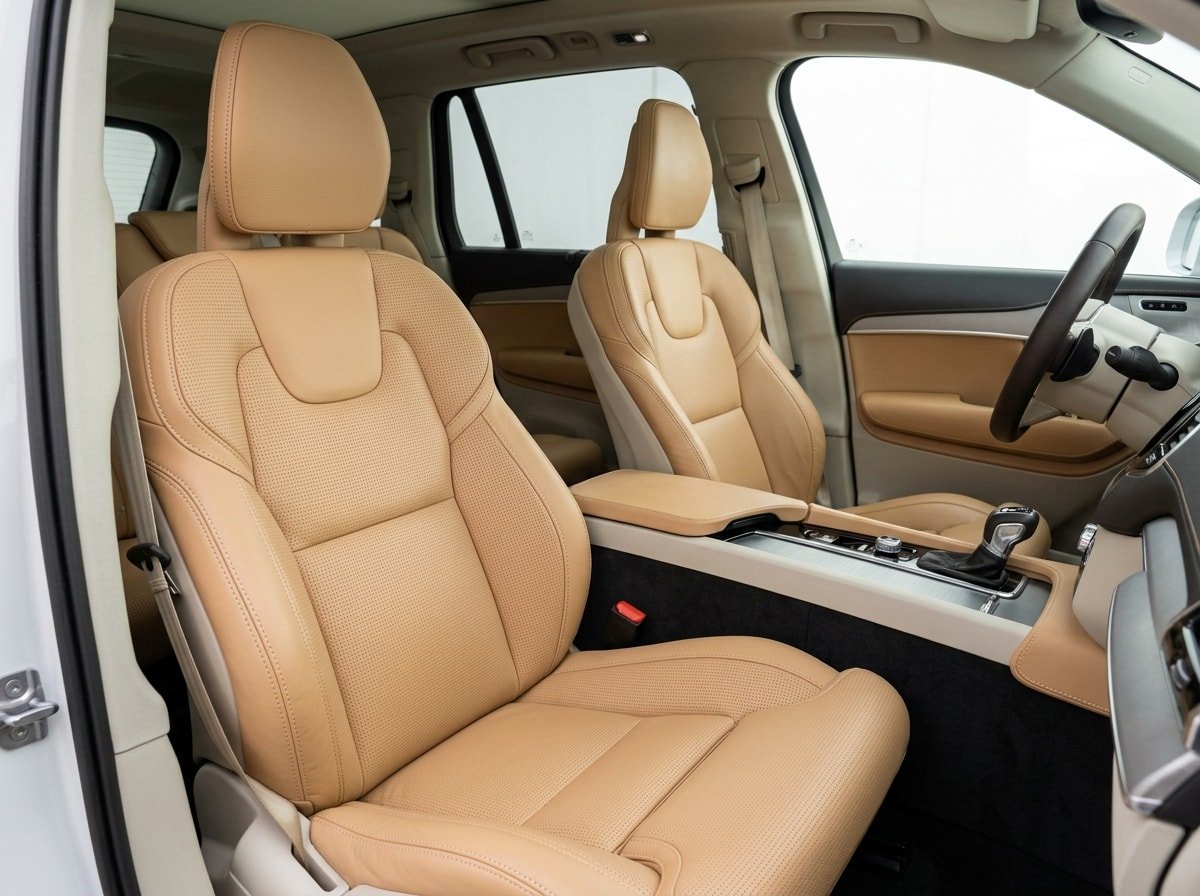
Critical Limitations: Heat, UV, and VOC Concerns
Despite its popularity, synthetic leather car interiors made from microfiber face aging issues. Under prolonged heat exposure, the PU binder can soften. Dashboards in hot climates are especially vulnerable. Surface tackiness and cracking may appear within three to five years.
UV degradation is another weak point. The SAE J1885 standard tests interior materials for accelerated UV aging. Many microfiber products show color shift and surface embrittlement after extended exposure. This limits their use in convertible tops and sun-exposed trims.
VOC emissions pose a health question too. Some PU-based materials release formaldehyde and toluene. These compounds affect cabin air quality. Premium brands now enforce strict emission limits. Microfiber leather must pass additional testing to meet these rules.
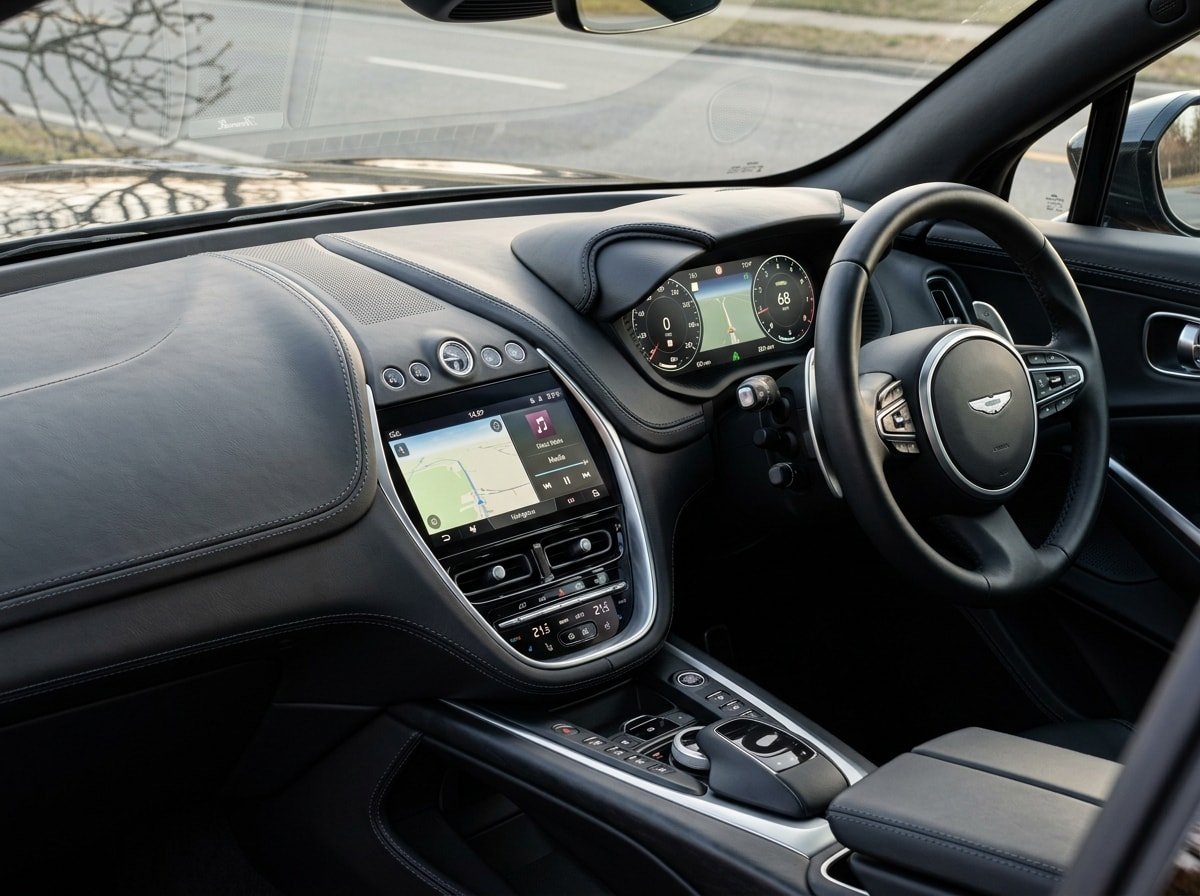
Key Weaknesses of Microfiber Leather:
- Heat-induced softening and stickiness
- UV color fade and surface cracking
- Potential VOC off-gassing
- Shorter service life in extreme climates
Silicone Leather: The Next-Generation Solution for Automotive Interiors
If microfiber leather is the present, silicone leather is the future. This advanced material uses silicone polymers instead of PU. It delivers superior thermal stability. It also resists UV radiation far better. For brands seeking a true upgrade, silicone leather solves the pain points microfiber cannot.
Microfiber leather car alternatives like TOPSUN silicone leather withstand temperatures from -40°C to 250°C. They do not emit harmful VOCs. They resist hydrolysis and microbial growth. These traits make them ideal for electric vehicles. EV cabins experience rapid temperature swings. Battery thermal management creates unique heating patterns. Silicone leather handles these demands with ease.
Furthermore, silicone leather meets rigorous flame retardant standards. It complies with FAR 25.853 and automotive OEM specifications. Low smoke density and self-extinguishing properties add critical safety value. These features are hard to achieve with conventional microfiber or PU materials.
How TOPSUN Silicone Leather Meets OEM and Tier Supplier Demands
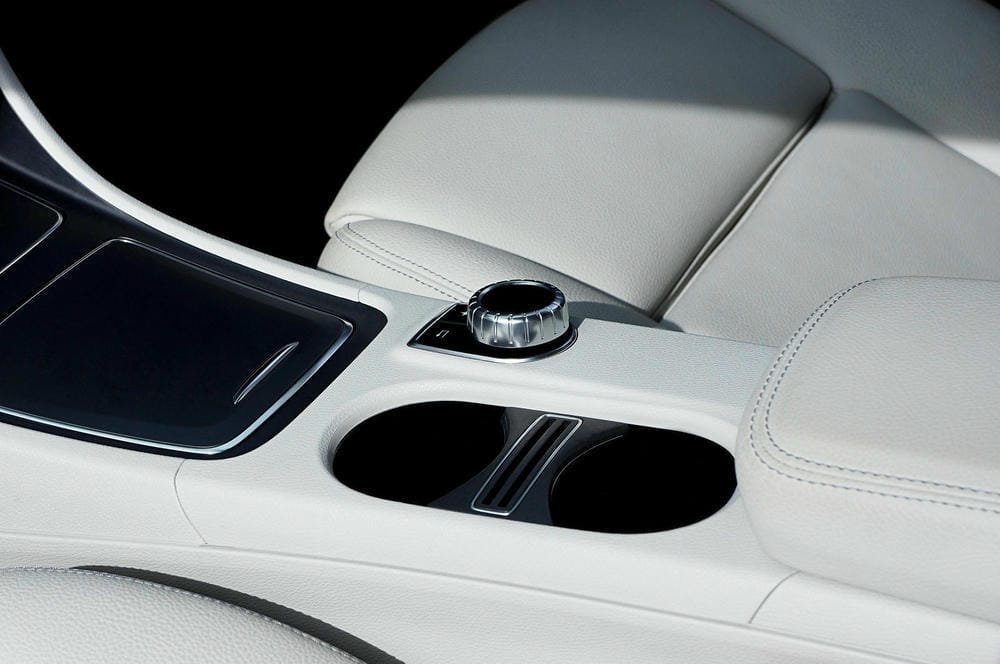
TOPSUN has spent over eight years perfecting silicone leather for global automotive clients. Our six product series cover every interior need. From ultra-thin 0.23mm films to heavy-duty 2.0mm substrates, we tailor microfiber upholstery fabric replacements to your exact spec.
| Series | Thickness | Key Feature |
|---|---|---|
| Classic | 0.8 – 2.0mm | Martindale 200,000+ cycles |
| Ultra Thin | 0.23 – 0.8mm | Lightweight, flexible |
| Designer | Custom | Bespoke textures |
| Rigid Substrate | Custom | High hardness backing |
| High Performance | Custom | Anti-aging, UV resistant |
| Super Flame Retardant | Custom | Low smoke, self-extinguishing |
Our silicone leather carries ISO, REACH, PAHs, and FDA certifications. We serve clients in more than thirty countries. Every batch undergoes rigorous QC. From raw material inspection to finished goods testing, TOPSUN ensures consistency.
Making the Switch: Data-Driven Comparison
Choosing between microfiber leather and silicone leather depends on your project goals. If cost is the only driver, microfiber may suffice. But if longevity, safety, and brand reputation matter, silicone leather wins. Here is a quick comparison for automotive OEM buyers:
- Temperature Range: Silicone leather operates from -40°C to 250°C. Microfiber leather typically softens above 80°C.
- UV Stability: Silicone shows minimal color shift after 1000+ hours QUV. Microfiber shows visible fade.
- VOC Emissions: Silicone leather releases near-zero VOCs. Microfiber requires special low-VOC grades.
- Flame Retardancy: Silicone meets FAR 25.853 with low smoke. Microfiber needs heavy chemical additives.
- Hydrolysis Resistance: Silicone resists moisture and mold. Microfiber can degrade in humid climates.

Frequently Asked Questions
Does microfiber leather crack in heat?
Yes. Microfiber leather car interiors exposed to temperatures above 80°C can soften, become tacky, and eventually crack. Dashboards and seat surfaces in hot climates are especially vulnerable to this heat-induced degradation.
Is microfiber leather safe for car interiors regarding VOC emissions?
Standard grades may release formaldehyde and toluene. Low-VOC grades exist but cost more. Silicone leather offers near-zero VOC emissions without premium upcharges, making it safer for enclosed cabin environments.
How does microfiber leather compare to silicone leather for automotive use?
Silicone leather outperforms microfiber in temperature range, UV stability, hydrolysis resistance, and flame retardancy. It also requires no chemical additives to pass FAR 25.853 and automotive OEM specifications.
What is the best leather alternative for EV interiors?
Silicone leather is ideal for EV cabins. It handles rapid temperature swings, emits no harmful VOCs, and meets stringent flame-retardant requirements. Its lightweight construction also supports vehicle range optimization.
Conclusion
Microfiber leather for automotive interiors remains a viable choice for entry-level and mid-range vehicles. It offers softness, style, and cost savings. Yet its limitations in heat resistance, UV stability, and VOC control push premium brands toward better solutions. Silicone leather from TOPSUN delivers that upgrade. It combines luxury feel with engineering-grade performance. For OEMs and Tier suppliers ready to future-proof their interiors, the data speaks clearly.
Related Articles
- What Is Rexine Fabric? A Complete Guide for Upholstery Buyers
- Leatherette Fabric Explained: Properties, Uses, and Automotive Applications
- Genuine Leather vs Synthetic Leather: Which Performs Better in Cars?
About TOPSUN Silicone Leather
TOPSUN is a leading silicone leather manufacturer based in China. With 8+ years of R&D and production experience, we supply custom synthetic leather solutions to automotive, furniture, marine, medical, and 3C electronics industries across 30+ countries. Our materials are ISO, REACH, PAHs, and FDA certified. We specialize in OEM and ODM projects, offering tailored thickness, texture, color, and backing configurations.
Explore our factory capabilities or view our certifications to learn more.