Walk into any furniture store, browse any bag brand, or shop for a new car interior, and you’ll see the word “leather” everywhere — but not all leather is created equal. What makes good leather good? Is it the thickness? The softness? The price? And how do you tell the difference between a genuine leather product that will last a lifetime and one that will fall apart in two years?
In this guide, we’ll break down the different leather quality grades, explain what to look for when evaluating leather goods, and explore why modern alternatives like silicone leather are increasingly giving genuine leather a run for its money — especially in commercial and high-use applications.
Explore Premium Leather Alternatives
Understanding Leather Quality Grades
The first thing to understand about leather is that it comes in different grades, based on which part of the animal hide is used and how it’s processed. These grades are the single biggest factor in determining both the quality and the price of a leather product.
Full Grain Leather: The Gold Standard
Full grain leather is the top layer of the hide, including the “grain” — the outermost layer with the natural pores and texture of the animal’s skin. It’s the strongest, most durable part of the hide, and it develops a beautiful patina over time as it ages. Because it uses the entire top layer, full grain leather retains all the natural characteristics of the hide — variations in texture, subtle blemishes, and unique grain patterns. This is the leather you’ll find in high-end furniture, luxury bags, and premium footwear. It’s expensive, but with proper care, it can last decades — sometimes even a lifetime.
Top Grain Leather: The Sweet Spot for Most Products
Top grain leather is the second-highest grade. It’s taken from the top layer of the hide, but the outermost “grain” layer is sanded away to remove imperfections, and then a synthetic grain pattern is embossed onto the surface. This makes it more uniform in appearance, easier to work with, and less expensive than full grain — while still retaining good durability and a natural leather feel. Top grain is what you’ll find in most mid-range to high-end leather furniture, car interiors, and quality accessories. It’s a solid choice if you want genuine leather without paying full-grain prices.
Genuine Leather: The Most Misleading Term
“Genuine leather” sounds like it should mean “real leather” — and technically it does. But it’s the lowest grade of real leather you can buy. Genuine leather is made from the lower layers of the hide (the split), which are weaker, less durable, and less attractive than the top layers. It’s often heavily processed, painted, and embossed to look like higher-grade leather. Products labeled “genuine leather” are typically the cheapest real-leather options on the market, and they tend to wear out much faster than top grain or full grain. The “genuine” label is technically accurate but intentionally misleading — it implies quality that doesn’t necessarily exist.
Bonded Leather: Not Really Leather at All
Bonded leather (also called “reconstituted leather”) is made by grinding up leather scraps and bonding them together with polyurethane or other adhesives. It’s essentially particle board for leather — it contains some leather fiber, but it’s mostly glue and plastic. The quality varies enormously depending on how much leather fiber is actually in the mix, but even the best bonded leather is significantly less durable than genuine leather. It tends to peel and crack after a few years of use, especially in high-wear areas. If a product says “bonded leather” and the price seems too good to be true, that’s because it is.

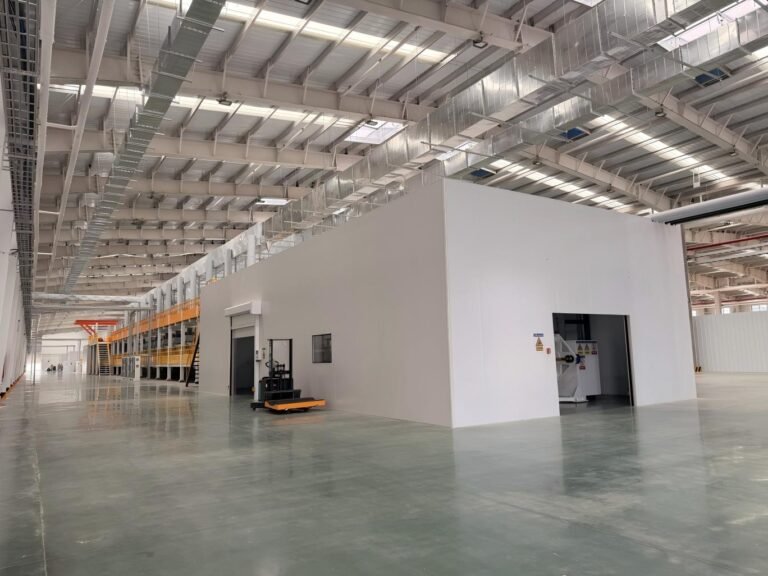
Quality inspection ensures consistent material quality — whether you’re working with genuine leather or advanced alternatives, attention to detail is what separates good from great.
| Grade | Durability | Appearance | Price | Best For |
|---|---|---|---|---|
| Full grain | Excellent (20+ years) | Natural, develops patina | $$$ | Luxury furniture, heirloom pieces |
| Top grain | Very good (10-15 years) | Uniform, clean | $$ | Quality furniture, auto interiors |
| Genuine (split) | Fair (3-7 years) | Processed, artificial grain | $ | Budget products, accessories |
| Bonded leather | Poor (1-3 years) | Faux leather appearance | $ | Budget furniture (with caution) |
Brand strategy insight: The most expensive mistake brands make with leather is using a lower grade than they advertise. Customers notice. A product that says “premium leather” but uses genuine (split) leather will develop a reputation for poor quality, and that reputation is hard to shake. On the other hand, being transparent about material choices — even if you’re using a high-quality alternative — builds trust. The best brands don’t hide behind vague terminology; they educate their customers about why their material choice is the right one.
How to Judge Leather Quality: Beyond the Grade
The grade is the starting point, but it’s not the whole story. Two pieces of top grain leather can be very different in quality depending on the tanning process, the finishing, and the source of the hide. Here’s what to look for.
The Smell Test
Good leather has a distinctive, pleasant smell — earthy, natural, rich. Bad leather (or fake leather) smells like chemicals, plastic, or paint. If you open a leather product and the first thing you notice is a strong chemical odor, that’s a red flag. It means the leather was heavily processed with cheap tanning agents and finishing chemicals, and it’s likely low quality. High-quality leather should smell like leather — not like a factory.
The Feel
Run your hand across the surface. Good leather has a natural, slightly textured feel — it should be supple and warm, not stiff and plasticky. Press your finger into it; good leather will give slightly and then bounce back, leaving a temporary indentation that slowly fades. Cheap leather and fake leather will feel uniform, smooth, and synthetic — like pressing into vinyl. The texture should vary slightly across the surface; perfectly uniform texture is a sign of an embossed fake grain, not natural leather.
The Edges and Back Side
If you can see the edges of the leather or the back side, that’s where the truth lives. Real leather has a fibrous, uneven edge — you can see the individual leather fibers. Fake leather has a perfectly smooth, uniform edge that looks like cut plastic. The back side of real leather should look like suede or rough leather fiber; the back side of fake leather will have a fabric backing or a smooth plastic surface. Always check the edges — that’s where manufacturers can’t hide poor quality.
The Craftsmanship
Good leather deserves good craftsmanship, and vice versa. Look at the stitching — is it even, tight, and consistent? Are the corners clean and reinforced? Are the zippers, buttons, and hardware high quality? A brand that skimps on hardware probably skimps on leather quality too. The best leather products show attention to detail everywhere, not just in the marketing photos.

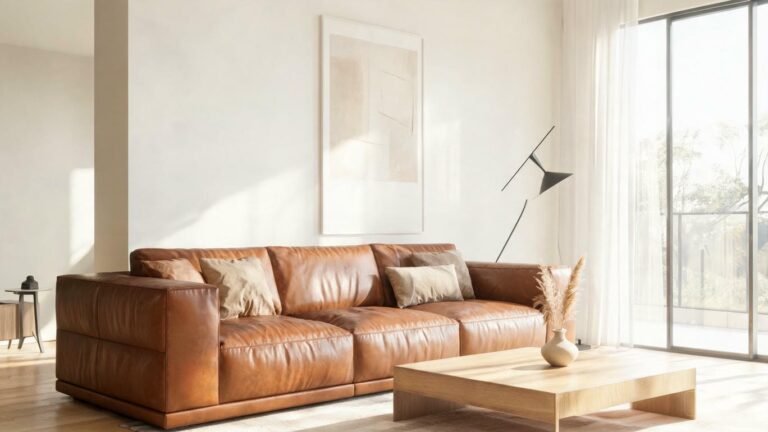
Premium leather craftsmanship — the best products combine quality materials with skilled workmanship, creating pieces that last for decades.
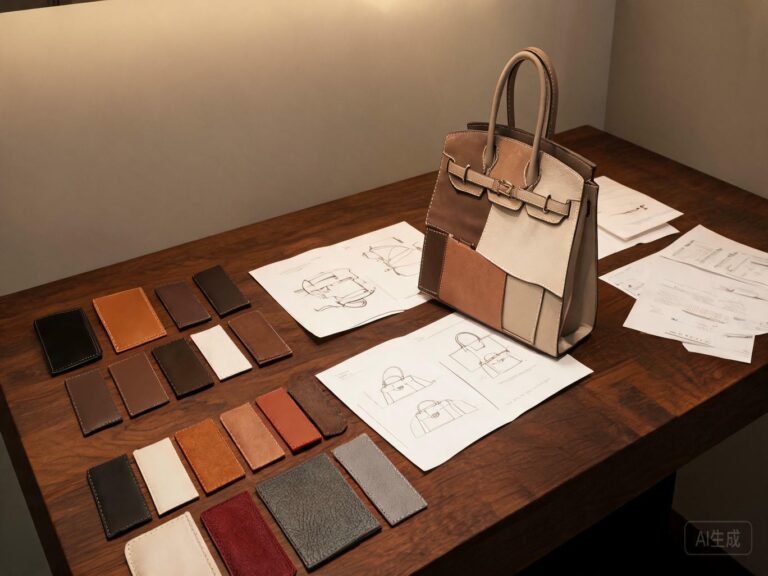
Premium quality comparison — see how high-quality silicone leather stacks up against genuine leather in appearance, feel, and performance.
The New Contender: Silicone Leather as a Premium Alternative
For most of history, if you wanted a premium leather-like material, genuine leather was the only real option. That’s no longer true. Modern silicone leather has advanced to the point where it can compete with — and in some cases outperform — genuine leather on the metrics that matter most.
Appearance and Texture
High-quality silicone leather can be embossed with incredibly realistic grain patterns that mimic full grain or top grain leather. The best grades have a natural, supple feel that’s warm to the touch — not the cold, plasticky feel of cheap PU. From a distance, it can be hard to tell the difference between premium silicone leather and genuine leather. Up close, you can feel the difference — but it’s a difference of character, not of quality. For many commercial applications — especially where consistency across large quantities matters — the uniform appearance of silicone leather is actually an advantage over natural leather, which varies from hide to hide.
Durability and Maintenance
This is where silicone leather really shines. Genuine leather needs regular conditioning, it stains easily, it fades in sunlight, and it can crack or dry out if not properly maintained. Silicone leather? It’s stain-resistant, UV-resistant, easy to clean, and doesn’t need any conditioning or maintenance beyond wiping it down. For high-use applications — restaurant seating, hotel lobbies, healthcare facilities, marine upholstery — silicone leather will outlast genuine leather by a wide margin, with zero maintenance required.
Consistency and Supply
Natural leather is a byproduct of the meat industry, which means supply, quality, and price are subject to factors that have nothing to do with furniture or fashion — disease outbreaks, trade policies, consumer demand for meat. Silicone leather is a manufactured material with consistent quality, predictable pricing, and reliable supply. For brands that need to scale production without compromising on quality, this consistency is a huge advantage. You know exactly what you’re getting, batch after batch.
The Price-Quality Equation
Premium silicone leather typically costs less than full grain leather but more than bonded or low-end genuine leather. When you factor in the longer lifespan and lower maintenance costs, however, the total cost of ownership often favors silicone leather — especially for commercial applications where furniture gets heavy use. It’s not about which material is “better” in the abstract; it’s about which material is better for your specific use case. For a heirloom-quality armchair that will be cared for and passed down, full grain leather is hard to beat. For a restaurant booth that gets sat on 12 hours a day and needs to look good for 10 years with minimal maintenance, silicone leather is the clear winner.
Brand building takeaway: The brands that win in the long run aren’t the ones that use the most expensive material — they’re the ones that use the right material for the job and communicate that choice honestly to their customers. Whether you choose genuine leather or silicone leather, the key is to be transparent about what the material is, why you chose it, and what benefits it delivers. Customers respect honesty and expertise far more than they respect a vague “premium” label.
Good Leather Is About More Than the Label
At the end of the day, “good leather” isn’t just about whether it’s genuine or not. It’s about quality, craftsmanship, durability, and whether the material is right for its intended purpose. A well-made silicone leather product can be a better choice than a poorly made genuine leather product — and for many applications, it will last longer, look better, and require less maintenance.
The real mark of quality — whether in genuine leather or any other material — is attention to detail. It’s choosing the right material for the job, using good construction techniques, and standing behind your product. That’s what makes something truly premium, regardless of what the label says.
If you’re exploring material options for a product line and want to see how silicone leather compares to the genuine leather you’re currently using, we’d be happy to send samples and walk you through the trade-offs.
About TOPSUN
TOPSUN crafts premium silicone leather materials that rival genuine leather in appearance and feel while delivering superior performance in durability, cleanability, and consistency — helping brands create products that stand the test of time.
Realistic grain patterns with natural texture variation, soft supple hand feel comparable to top grain leather, UV and stain resistance that outperforms genuine leather, custom color and texture development, consistent quality across large production runs, comprehensive testing per international standards.