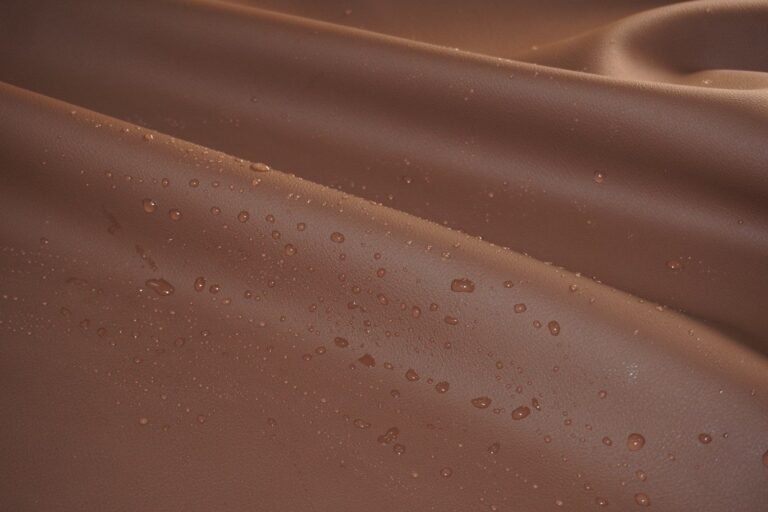
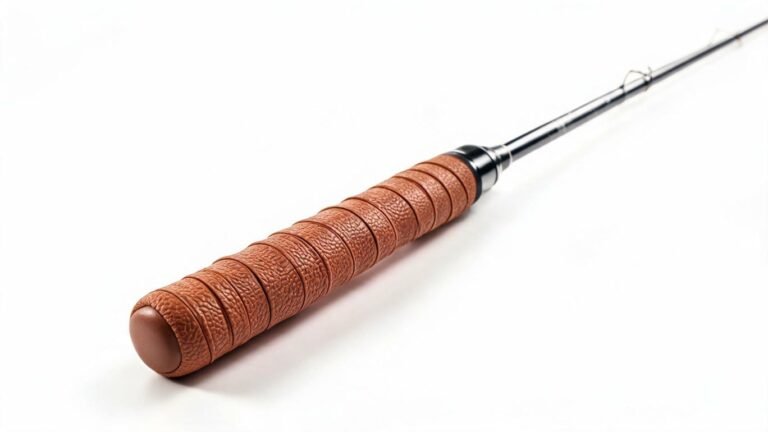
The global demand for sustainable materials is reshaping the synthetic leather industry. Water based PU leather has emerged as a critical innovation for manufacturers and brands seeking eco-friendly alternatives to traditional solvent-based materials. Unlike conventional polyurethane leather that relies on toxic solvents like DMF (dimethylformamide), water-based formulations use water as the primary dispersing agent. This shift dramatically reduces harmful emissions and creates safer working environments. For European and North American buyers focused on regulatory compliance and environmental responsibility, understanding this technology is essential. Whether you source materials for furniture and sofa applications or automotive interiors, water-based solutions offer a viable path toward greener production.
Download Eco-Material Whitepaper
What Is Water-Based PU Leather?
Water based PU leather represents a significant advancement in synthetic material science. Traditional polyurethane leather production depends on organic solvents to dissolve and apply polymer resins onto fabric substrates. In contrast, water based leather technology replaces these harmful solvents with water-based polyurethane dispersions. The result is a material that looks and performs like conventional PU leather while meeting stricter environmental standards.
This innovation matters deeply for B2B procurement teams. Many European Union markets now enforce strict limits on DMF content under REACH regulations. Similarly, the U.S. Environmental Protection Agency continues tightening VOC emission standards for industrial manufacturing. Water-based PU leather helps manufacturers stay ahead of these regulatory curves without sacrificing material quality or durability.
The PU Leather Manufacturing Process: Water-Based Innovation
Understanding the pu leather manufacturing process reveals why water-based technology commands attention. Conventional production follows a multi-stage wet process where polyurethane resins dissolve in DMF or other organic solvents. These solutions coat textile substrates before entering coagulation baths. While effective, this method releases substantial volatile organic compounds and creates hazardous workplace conditions.
Water-based manufacturing transforms this approach fundamentally. The process involves:
- Dispersing polyurethane resins in water rather than organic solvents
- Applying aqueous coatings to base fabrics through precision roller systems
- Drying and curing at controlled temperatures to form uniform polymer films
- Eliminating toxic solvent recovery and disposal requirements
This cleaner production method reduces energy consumption during drying phases and eliminates the need for expensive solvent recovery systems. For factories upgrading their environmental credentials, water-based lines represent a strategic investment that pays dividends in regulatory compliance and market access.
Why DMF-Free PU Matters for Regulatory Compliance
The regulatory landscape for synthetic leather grows more complex each year. DMF free pu materials address one of the industry’s most pressing compliance challenges. Dimethylformamide, commonly used in conventional PU production, carries significant health and environmental risks. The European Chemicals Agency classifies DMF as a substance of very high concern due to its reproductive toxicity and potential harm to unborn children.
Key regulatory drivers include:
- EU REACH restrictions on DMF concentrations in consumer goods
- California Proposition 65 labeling requirements for chemicals known to cause reproductive harm
- OEKO-TEX Standard 100 limitations on harmful substances in textiles
- Growing brand commitments to zero-harm material sourcing
By specifying what is PU leather with water-based formulations, procurement teams protect their supply chains from regulatory disruption. The shift from solvent-based to water-based systems is not merely an environmental preference. It is becoming a commercial necessity for brands selling into regulated markets.
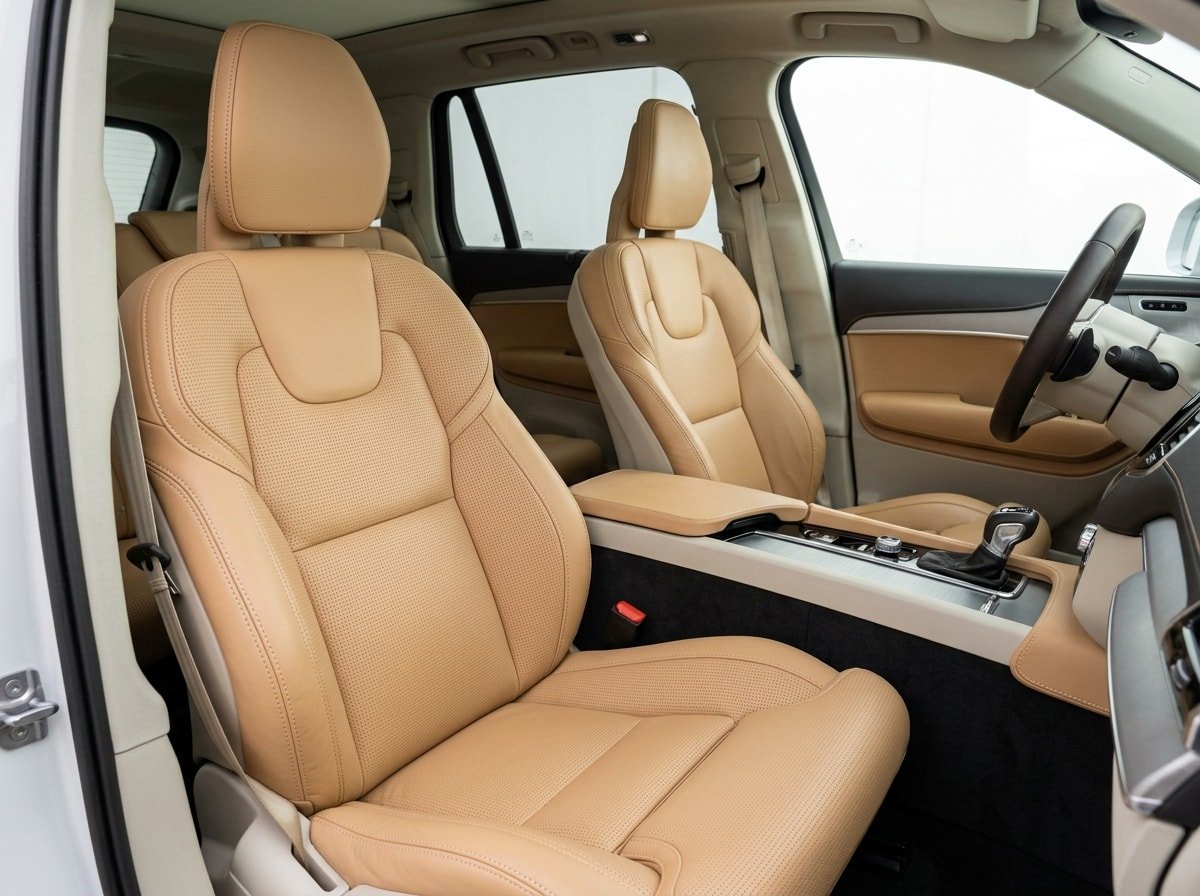
Eco PU Leather: Low VOC and Environmental Benefits
The environmental advantages of eco pu leather extend far beyond DMF elimination. Volatile organic compound emissions drop by 80-95% when manufacturers switch from solvent-based to water-based polyurethane systems. This dramatic reduction improves air quality both inside production facilities and in surrounding communities.
Water-based PU leather also demonstrates superior sustainability credentials across the product lifecycle:
- Reduced carbon footprint: Lower energy requirements for drying and curing processes
- Safer workplaces: Elimination of toxic solvent exposure for production workers
- Waste reduction: Simplified wastewater treatment without hazardous solvent separation
- End-of-life advantages: Improved recyclability potential compared to heavily solvent-treated materials
For brands marketing to environmentally conscious consumers, these benefits provide credible storytelling opportunities. Third-party certifications verify low-VOC performance, giving procurement teams documentation to satisfy demanding customers and regulatory auditors alike.
Comparing PU Leather Solvent Options
Not all synthetic leathers carry equal environmental burdens. The choice of pu leather solvent system fundamentally determines a product’s regulatory profile and sustainability credentials. Manufacturers typically work with three main categories:
| Solvent Type | Environmental Impact | Regulatory Status |
|---|---|---|
| DMF-based | High toxicity, significant VOC emissions | Restricted in EU, increasingly limited globally |
| Other organic solvents | Moderate to high VOC emissions | Subject to local air quality regulations |
| Water-based | Minimal VOC emissions, low toxicity | Favored by green procurement policies |
Water-based systems increasingly offer performance parity with their solvent-based counterparts. Modern formulation chemistry delivers excellent abrasion resistance, color fastness, and tactile properties that meet demanding manufacturing capabilities requirements across furniture, automotive, and consumer goods sectors.

Silicone Leather: The Next Step Beyond Water-Based Solutions
While water-based PU leather represents meaningful progress, the search for truly sustainable synthetic materials continues. Silicone leather emerges as the next-generation solution that eliminates solvents entirely from the manufacturing equation. Unlike water-based PU, which still requires chemical crosslinkers and some additives, silicone leather uses liquid silicone rubber bonded to fabric substrates through a solvent-free process.
This zero-solvent approach delivers exceptional environmental and performance benefits:
- Absolutely no DMF, DOP, or heavy metal content
- Superior UV resistance and weathering performance
- Excellent durability in extreme temperature conditions
- Hydrolysis resistance exceeding conventional PU by 5-10 years
- Fully recyclable through specialized silicone recovery processes
For procurement teams evaluating long-term material strategies, silicone leather offers the most comprehensive answer to evolving environmental regulations. The material performs exceptionally across demanding applications including healthcare, marine environments, and premium automotive interiors where both sustainability and durability matter equally.
Conclusion: Choosing the Right Eco-Friendly Material
The transition from solvent-based to water based PU leather marks a positive evolution for the synthetic materials industry. Manufacturers gain regulatory compliance, workers benefit from safer production environments, and brands can credibly communicate environmental responsibility to increasingly conscious consumers. The pu leather production landscape will continue shifting toward cleaner technologies as global regulations tighten and buyer expectations rise.
However, forward-looking procurement strategies should consider where the technology curve leads. Silicone leather represents the ultimate destination for brands committed to zero-solvent, fully sustainable material solutions. Its combination of regulatory safety, exceptional performance, and environmental credentials positions it as the logical next step beyond water-based polyurethane systems.
Get a Quote for Silicone Leather
Related Articles
About TOPSUN Silicone Leather
TOPSUN Silicone Leather is a leading manufacturer of premium silicone leather materials for B2B clients worldwide. With advanced production facilities and comprehensive quality certifications, we supply custom synthetic leather solutions for automotive, furniture, healthcare, marine, and consumer electronics applications. Our materials meet stringent international standards including REACH compliance, CA Prop 65, and OEKO-TEX requirements.
We specialize in developing tailored material specifications for OEM and ODM partners. From color matching to surface texture engineering, our technical team supports your product development from concept to production. Contact us today to request samples, review technical data sheets, or schedule a virtual factory tour.