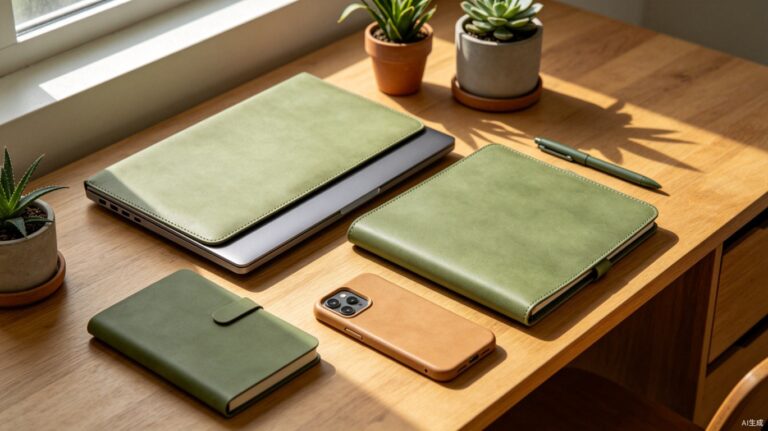
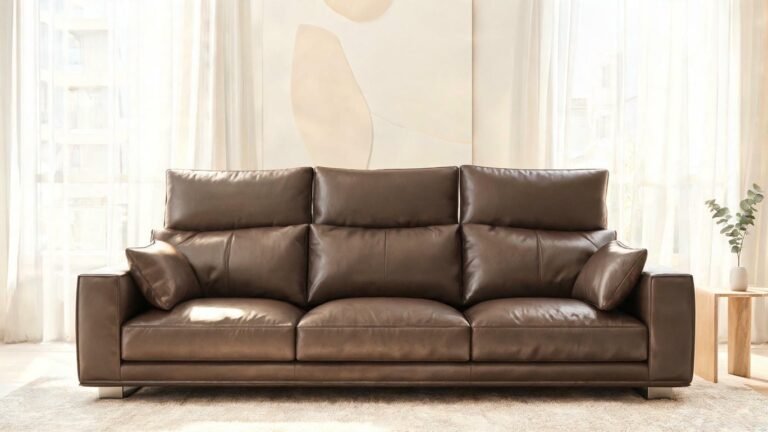
“What is vegan leather?” gets searched thousands of times every month — and most answers stop at “it’s not animal skin.” That’s technically true but practically useless for B2B buyers. The real question isn’t whether a material is vegan — it’s what the material is. Because when you’re specifying upholstery, automotive trim, or consumer goods, the polymer chemistry behind your vegan leather determines durability, VOC emissions, recyclability, and regulatory compliance. Two products both labeled “100% vegan” can have nothing in common chemically.
What Is Vegan Leather Made Of?
Vegan leather is a category, not a material. It encompasses any flexible sheet that mimics leather’s appearance and hand-feel without using animal hides or animal-derived adhesives. The definition of vegan leather covers five distinct material families, each with radically different performance profiles:
- PU (Polyurethane) leather — Coats a woven fabric base with polyurethane resin. Accounts for the majority of vegan leather sold globally. Petroleum-derived, solvent-based processing, 3–5 year service life.
- PVC (Polyvinyl Chloride) leather — Uses PVC with plasticizers on a fabric backing. Cheaper and stiffer than PU. Releases chlorine-based compounds and plasticizers over time. 2–3 year lifespan.
- Silicone leather — Applies liquid silicone rubber to a textile substrate. The only vegan leather type with zero VOC emissions, 100% recyclability, and 10+ year durability. Learn more in our silicone leather introduction.
- Bio-based leather — Uses plant materials (cactus, pineapple leaves, apple waste, mushroom mycelium) reinforced with polymers. Emerging category with variable durability and limited production scale.
- Recycled polyester leather — Repurposes PET bottles into fiber substrates with polyurethane coatings. Reduces virgin plastic use but still depends on solvent-based PU chemistry.

Swatch rack displaying the color and texture range possible with silicone-based vegan leather
A critical distinction: “100% vegan” only certifies the absence of animal products — it says nothing about toxicity, recyclability, or lifespan. A PVC sheet and a silicone sheet can both carry the vegan label, but one off-gases plasticizers and cracks in 2 years while the other is FDA food-contact compliant and lasts a decade. Understanding what vegan leather is made of at the polymer level is the difference between specifying a material and buying a marketing claim.
5 Material Types: From Petroleum to Silicone
Two materials — PU and PVC — account for the overwhelming majority of vegan leather currently sold worldwide (Prototype Fashion). Both are petroleum products. That’s the inconvenient truth behind most “eco-friendly” vegan leather: it’s plastic with a cruelty-free label.
Here’s how the five types stack up on the specs that matter to procurement teams:
| Material | Base Chemistry | VOC | Recyclable | Lifespan |
|---|---|---|---|---|
| Silicone | Si-O polymer | Zero | Yes (100%) | 10+ years |
| PU | Polyurethane | Solvent-based | Limited | 3–5 years |
| PVC | Polyvinyl chloride | Plasticizer off-gas | No | 2–3 years |
| Bio-based | Plant fibers + polymer | Low–moderate | Varies | 2–5 years |
| Recycled PET | rPET + PU coating | Low | Limited | 3–5 years |

Production process flow — silicone leather uses a solvent-free dry coating process, unlike PU’s solvent-based wet coating
In our lab testing, the manufacturing process itself reveals a key difference. PU leather production requires solvent-based wet coating — the solvents evaporate during drying, contributing to VOC emissions in the final product. Silicone leather uses a solvent-free dry coating process, which is why the finished material registers zero VOC under ISO 16000-6 testing. The silicone vs PU comparison isn’t just about durability — it’s fundamentally about polymer chemistry and process safety.
Is Vegan Leather Actually Eco-Friendly?
This depends entirely on which vegan leather. PVC is arguably worse for the environment than animal leather — it releases chlorine compounds during production, leaches plasticizers during use, and never biodegrades. PU is better but still petroleum-based with solvent emissions. Bio-based options sound ideal, but most still blend plant fibers with petroleum polymers for durability, making them neither fully biodegradable nor recyclable.

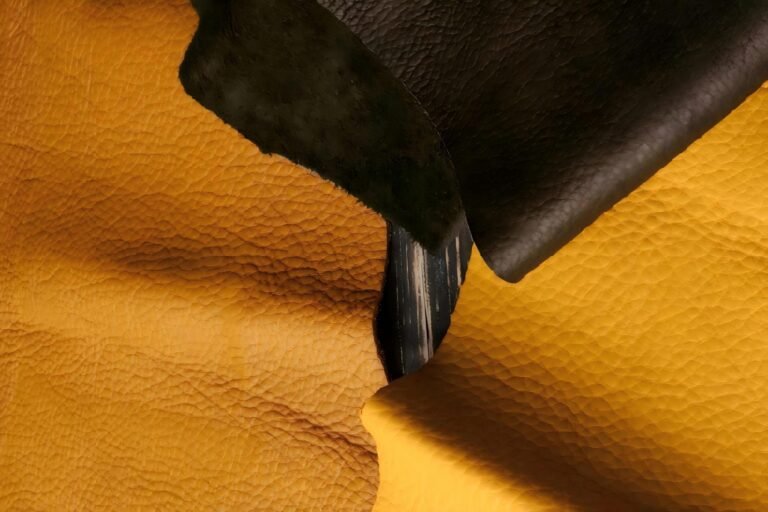
Vegan leather material samples — visually similar, chemically distinct
Silicone leather is the only type that is simultaneously vegan, zero-VOC, 100% recyclable, and certified for food contact under FDA 21 CFR 177.2600. Our eco-friendly silicone leather page details the full certification stack, including REACH compliance, RoHS, and LEED compatibility. For B2B buyers facing tightening ESG mandates, the material choice isn’t just about animal welfare — it’s about whether your product can pass a future audit.
Vegan leather isn’t one material — it’s five chemistries sharing a label. The one you choose determines whether your product lasts 2 years or 10, passes a VOC audit or fails it, and ends up in a recycling stream or a landfill.