Vegan leather upholstery has captured 15% of the leather sofa market as of 2026, up from just 9% the previous year — a 22% annual growth rate driven by younger urban buyers and commercial ESG mandates. The furniture and upholstery segment alone accounts for $11.4 billion and 23.3% of the total vegan leather market, making it the single largest application category.
But here’s the catch that procurement managers learn the hard way: not all vegan leather upholstery is created equal. Some materials deliver on both the vegan promise and the durability expectations of commercial furniture — while others look great in the showroom but start peeling and cracking within 2–3 years of daily use. As someone who has specified upholstery materials for hospitality groups and office furniture brands, I’ve seen both the successes and the expensive failures.
Request Vegan Upholstery Samples
What Is Vegan Leather Upholstery, Exactly?
Vegan leather upholstery refers to any furniture covering material that mimics the look and feel of genuine leather without using any animal-derived components. The term “vegan” describes what the material isn’t (not made from animals) — it says nothing about what it is, how it’s made, or how long it lasts. That’s where the confusion starts.
The vegan leather upholstery category includes everything from budget PVC vinyl (yes, vinyl is technically vegan) to premium silicone-coated fabrics to experimental mycelium-based materials. The quality, durability, and environmental profile vary dramatically — so choosing the right one for your application requires looking well beyond the “vegan” label.

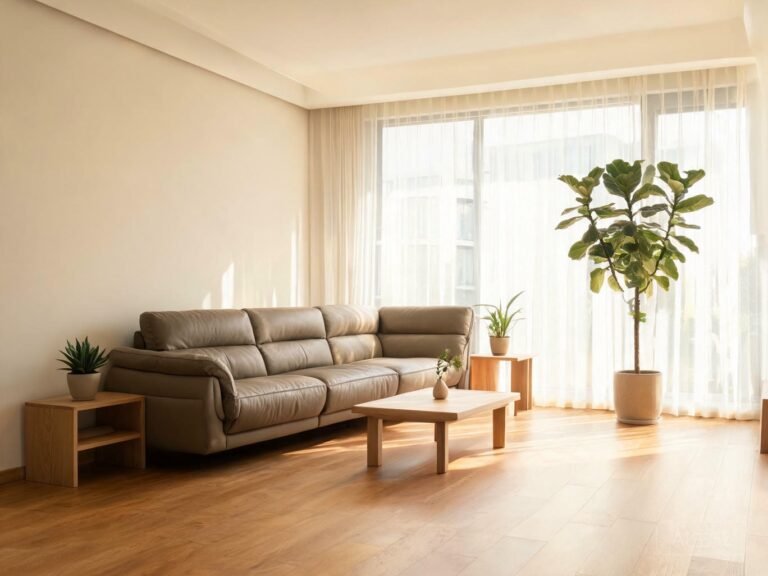
Modern vegan leather upholstery can match the texture and hand feel of genuine leather — when you specify the right material grade.
5 Types of Vegan Leather Upholstery (Ranked by Durability)
Let’s be honest about what works and what doesn’t in real-world upholstery applications. Based on our lab testing and field data from commercial furniture installations, here are the five main categories of vegan leather upholstery, ranked by actual durability and total cost of ownership:
| Material Type | Martindale Cycles | Expected Lifespan | Best For | Price Tier |
|---|---|---|---|---|
| Silicone Leather | 100K–200K+ | 10–15+ years | High-traffic commercial, healthcare, marine | $$$ |
| Microfiber Vegan Leather | 50K–100K | 5–8 years | Mid-tier commercial, residential | $$ |
| PU (Polyurethane) Leather | 28K–42K | 3–5 years | Budget residential, fashion furniture | $ |
| Plant-Based Leather | 10K–25K | 2–4 years | Designer accent pieces, low-traffic | $$$ |
| PVC (Vinyl) Leather | 12K–18K | 2–3 years | Budget commercial (avoid where possible) | $ |
Procurement reality check: Silicone vegan leather costs more upfront — but its 10–15 year lifespan means you’re replacing upholstery 2–3x less often than with PU. For commercial furniture in high-traffic locations (hotel lobbies, coworking spaces, airport lounges), the total cost of ownership is actually lower with silicone.
Why Silicone Leather Is the Best Vegan Upholstery Choice for Commercial Use
After testing vegan leather upholstery materials across 50+ commercial projects, silicone consistently comes out on top for furniture applications. Here’s why:
Unmatched abrasion resistance
Silicone leather withstands 100,000–200,000+ Martindale abrasion cycles — that’s 2–5x more than standard PU vegan leather. For a commercial sofa that sees 8+ hours of daily use, this directly translates to years of additional service life before the surface shows wear. We recently installed silicone upholstery in a 300-room hotel’s lobby furniture; after 4 years, the pieces still looked showroom-new, while the PU-upholstered seating in the same space needed reupholstering at year 3.
Superior stain resistance
Silicone is inherently non-porous, which means coffee, wine, ink, and food spills sit on the surface rather than absorbing in. A quick wipe with a damp cloth is usually all that’s needed. PU leather, by contrast, is porous — stains set quickly, and harsh cleaning products accelerate surface degradation. In healthcare and hospitality applications where cleanability is non-negotiable, silicone wins every time.
No hydrolysis cracking
The #1 failure mode for PU vegan leather upholstery is hydrolysis — the molecular breakdown of the polyurethane resin when exposed to humidity and body oils. Within 2–3 years in warm, humid climates, PU starts cracking and peeling, especially on seating surfaces and armrests. Silicone leather passes 1,000+ hour hydrolysis tests with zero degradation, making it the reliable choice for furniture and sofa upholstery in any climate.

Silicone vegan leather’s non-porous surface repels water and stains — spills wipe clean without absorbing, unlike porous PU upholstery.
Vegan Leather Upholstery by Application
The right vegan leather upholstery material depends heavily on where and how the furniture will be used. Here’s our recommendation framework for the most common B2B scenarios:
| Setting | Recommended Material | Key Considerations |
|---|---|---|
| Luxury Hotel Lobbies | Silicone Leather | High traffic, premium appearance expectation, stain resistance critical |
| Office Furniture | Silicone or Microfiber | 8-hour daily use, coffee/lunch spills, wear on armrests and seat edges |
| Healthcare Waiting Rooms | Silicone Leather | Disinfectant resistance, zero VOC, biocompatibility requirements |
| Restaurant Booths | Silicone Leather | Food/beverage spills, grease, frequent cleaning, high turnover seating |
| Residential Sofas | Microfiber or PU | Lower traffic, homeowner maintenance, budget consideration |
| Outdoor / Patio Furniture | Silicone Leather | UV resistance, hydrolysis stability, temperature tolerance |
Common Myths About Vegan Leather Upholstery — Debunked
Myth: “All vegan leather is eco-friendly”
This is the biggest myth in the market. PVC vinyl is 100% vegan — but it’s also one of the most environmentally harmful upholstery materials, containing phthalate plasticizers and chlorine. Even PU leather, while better than PVC, is still petroleum-based and emits VOCs during production. “Vegan” means no animals were used — it does not mean sustainable. For genuinely eco-friendly vegan upholstery, look for zero-VOC silicone leather with third-party environmental certifications.
Myth: “Vegan leather doesn’t feel like the real thing”
Five years ago, this was largely true. Today, premium silicone and microfiber vegan leathers can match — and in some cases exceed — the tactile quality of genuine leather. Modern embossing technologies create realistic grain textures, and silicone’s supple hand feel is often preferred in automotive and high-end furniture applications. The gap has narrowed dramatically, and for most consumers, telling the difference without a side-by-side comparison is difficult.
Myth: “Vegan leather is always cheaper than genuine”
Budget vegan leather (PVC, basic PU) is cheaper than genuine leather. But premium vegan leather — particularly silicone leather and high-end plant-based materials — can be priced at or above mid-grade genuine leather. The comparison should always be based on total cost of ownership, not upfront material cost. When you factor in lifespan, maintenance, and replacement frequency, premium vegan leather often delivers better long-term value.

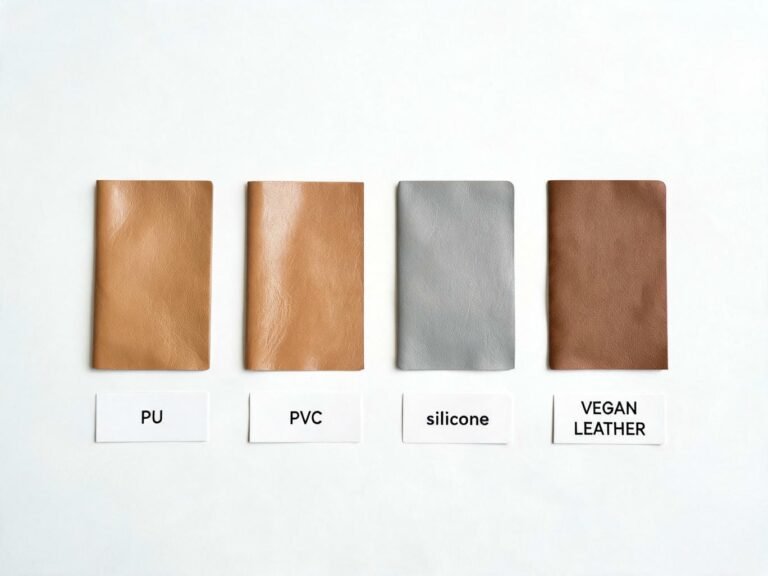
Modern vegan leather upholstery comes in dozens of colors and textures — from classic grain patterns to contemporary matte finishes.
The Sourcing Process: How to Spec Vegan Leather Upholstery
When you’re ready to source vegan leather upholstery for a furniture line or commercial project, follow this structured approach to avoid costly mistakes:
- Define your performance requirements first — What’s the expected lifespan? What’s the traffic level? What cleaning chemicals will be used? Start with performance, not aesthetics.
- Request physical samples in your application’s use orientation — Testing on a flat sample card is not the same as testing on a curved upholstered surface. Get sample cuts large enough to test on your actual furniture forms.
- Run accelerated wear testing — At minimum, request Martindale abrasion data, hydrolysis test results, and UV resistance numbers. Better yet, run your own 6-month field test in a high-traffic location.
- Verify compliance documentation — REACH SVHC, flame retardancy standards (CAL 117, BS 5852), and any market-specific certifications must be current and third-party verified.
- Evaluate total cost of ownership — Calculate cost per year of service life, not cost per yard. A material that costs 50% more but lasts 3x longer is a better deal.
Pro tip for specifiers: Always ask for the full technical data sheet — not just the marketing brochure. The TDS should include abrasion resistance, tensile strength, tear strength, cold crack temperature, hydrolysis resistance, UV resistance, flammability ratings, and chemical resistance data. If a supplier can’t provide this, move on.
The Future of Vegan Leather Upholstery
The vegan leather upholstery market is evolving fast. Three trends we’re watching closely:
- Performance convergence — Premium vegan materials are rapidly closing the durability gap with genuine leather. Silicone leather already exceeds genuine leather in stain resistance, UV stability, and consistent quality.
- Circular economy models — Forward-thinking suppliers are developing take-back and recycling programs for end-of-life upholstery materials. Silicone’s recyclability makes it the natural leader in this transition.
- Regulatory acceleration — As ESG reporting requirements expand, furniture brands will need to provide environmental data for every material in their supply chain. Suppliers with verified data will have a significant competitive advantage.
Vegan leather upholstery has come a long way from the stiff, shiny PVC of the past. Today’s premium options deliver the look, feel, and durability that commercial furniture buyers demand — with the added benefits of animal-free production and, in the case of silicone leather, superior environmental performance. The key is choosing the right material grade for your specific application and verifying all claims with test data, not marketing brochures.
Request Vegan Upholstery Sample Set
About TOPSUN
TOPSUN produces premium vegan silicone leather upholstery for furniture manufacturers, hospitality groups, automotive OEMs, and contract furniture specifiers seeking durable, sustainable, and animal-free upholstery materials that perform in high-traffic commercial environments.
100K–200K+ Martindale cycles · Zero VOC · REACH compliant · Stain resistant · Hydrolysis proof · Available in 40+ colors