A home-textiles client once shipped us a brief for a fully animal-free sofa program: linen-blend shells, recycled cushions, the works. The fabric spec was flawless. The program still stalled — at compliance review. The approved artwork called for a leather logo patch, and a trim supplier’s finish turned out to be shellac-based. Both details sat outside the weave, and neither appeared on the fabric test report.
That project taught everyone in the room the real definition of vegan friendly fabrics. A fabric is only as animal-free as its least vegan component — the fiber, the trims, the dyes, the glue line, or the finish, whichever comes last. The five checks below close every one of those gaps before sampling turns into production.
What Fabrics Are Vegan Friendly — and the Short List That Isn’t
Verification moves fastest in reverse. Instead of auditing forty acceptable fibers, learn the ten that come from animals:
- Wool
- Cashmere
- Mohair
- Angora
- Alpaca
- Camel hair
- Silk
- Down
- Leather
- Wool felt
Everything else on the floor is plant, mineral or synthetic — cotton, linen, hemp, bamboo lyocell, rPET and modern coated fabrics all pass on fiber level. Three names cause most of the confusion. Suede and shearling are simply leather in another finish. Velvet is a weave rather than a fiber (it can be silk, cotton or polyester). Felt is the quiet one — traditional felt is wool while craft felt is polyester, nearly indistinguishable on a shelf.
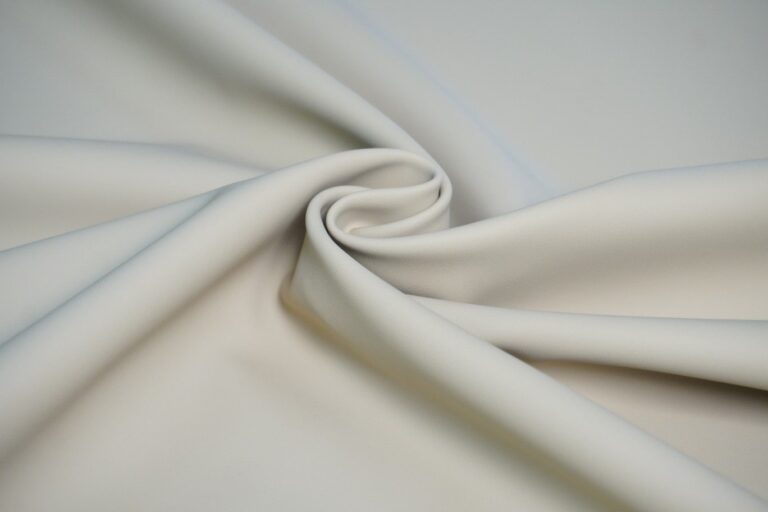
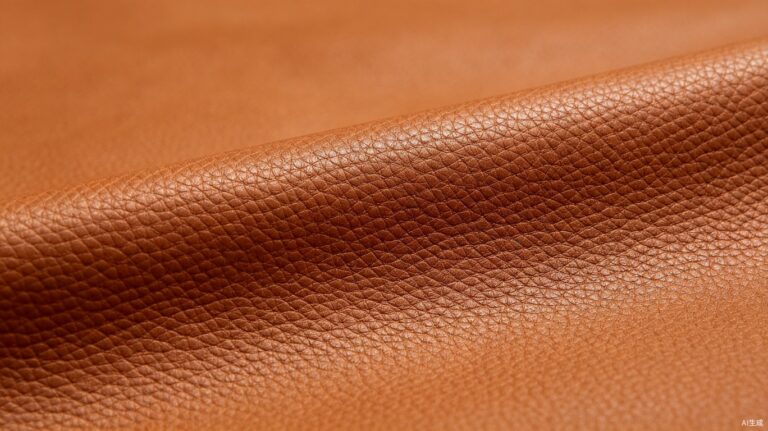
For upholstery briefs that need leather’s performance without the animal, coated fabrics are the natural landing spot. What silicone-coated material actually is explains why a polymer on a synthetic substrate keeps the build animal-free end to end.

The reverse check first: rule out the ten animal fibers, and the acceptable pile gets large fast.
Where Animal Inputs Hide: Four Spots Beyond the Weave
This is where fabric audits fail in practice, because four components live outside the fiber: trims, dyes, glues and finishes. A leather patch, horn button or fur edging will trip the EU’s mandatory label phrase — “contains non-textile parts of animal origin”. That phrase is the single most useful sentence on a textile label and the easiest to skim past. Animal-derived dyes and lanolin-based softeners hide inside chemistry nobody reads, and shellac keeps showing up in finishes.
The glue line is the stealth layer in coated and laminated fabrics. A plant-based face sheet laminated with an animal-glue or casein-bearing adhesive is not a vegan friendly fabric, no matter what the face sheet says. In our own production the problem is removed structurally rather than by screening. The solvent-free dry process bonds coating to substrate without a glue layer at all. The audit list shortens by the one component hardest to trace.

The finished sofa hides ten supplier decisions — the audit has to reach all of them.
The Certificate Stack That Proves a Fabric Is Vegan Friendly
Two marks verify the claim directly: The Vegan Society’s Trademark and PETA-Approved Vegan. Both assess ingredients and, in the Vegan Society’s case, animal testing across the whole build. GOTS and OEKO-TEX Standard 100 are worth having but are not vegan certificates. They cover organic sourcing and harmful chemistry respectively, which is why they complement rather than replace the animal-free claim.
What closes the loop for a buyer is the per-lot file. Our material ships with vegan certification covering coating and substrate together, REACH screening across 247 SVHC substances, and skin-contact cytotoxicity under ISO 10993-5. Report numbers are included, so the certificate review takes minutes instead of email rounds. For a program owner, the request to send a supplier costs nothing. By application category, the document stack differs. Any supplier hesitant to name the scope of its vegan claim is answering the question anyway.
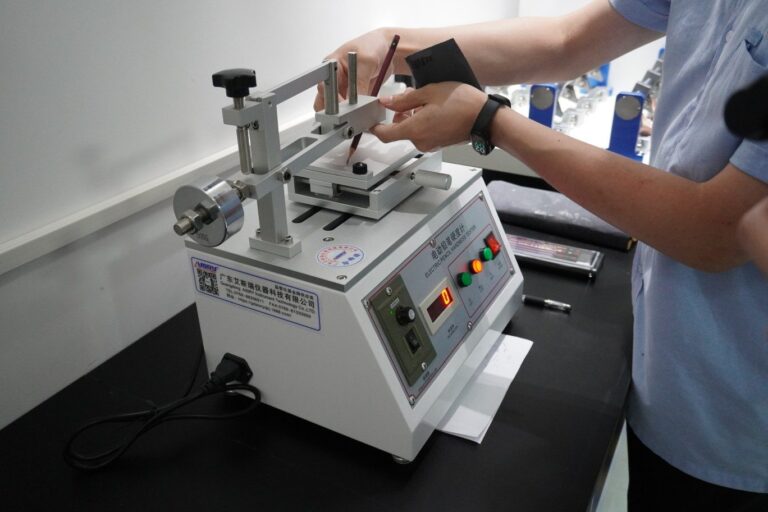
Home-appliance and soft-furnishing protection, demonstrated — performance and paper trail together.
Request the Vegan Fabric Document Stack
The Buyer’s Verdict Table: Which Fabric Wins Which Brief
Run the five checks — fiber, trims, dyes and finishes, glue line, certificate scope — and the shortlist usually resolves itself. Where briefs commonly land:
| Program Brief | Fabric Family That Wins | The Document That Decides |
|---|---|---|
| High-traffic residential upholstery | Silicone-coated fabric | Martindale 200,000+ cycles report |
| Baby and kids soft goods | Silicone-coated fabric | ISO 10993-5 + EN 71 files |
| Biodegradable fashion capsule | Hemp or linen weave | GOTS scope + compostability statement |
| Volume program on a budget | rPET blend | Composition declaration with cert scope |

Kids’ prints are where trim and dye audits matter most — the users touch everything, twice.
For children’s programs the verdict table has teeth. Skin contact, mouth contact and print chemistry stack three audits onto one material. That is why the baby and kids material program leads with the certificate stack rather than the swatch card. Specify vegan friendly fabrics by evidence instead of by adjective, and the compliance review that stalled one project becomes the step that clears every one after it.
Order Certified Animal-Free Samples
References
1. https://vegan-wiki.com/blog/vegan-clothing-material… — Vegan Wiki guide: the ten animal-derived fibers, suede/shearling and felt confusion points, and the EU “non-textile parts of animal origin” label phrase
2. https://ambianto.com/blogs/living/how-to-read-produ… — Ambianto on vegan interior labels: hidden animal inputs (shellac, lanolin), Vegan Trademark vs GOTS/OEKO-TEX roles