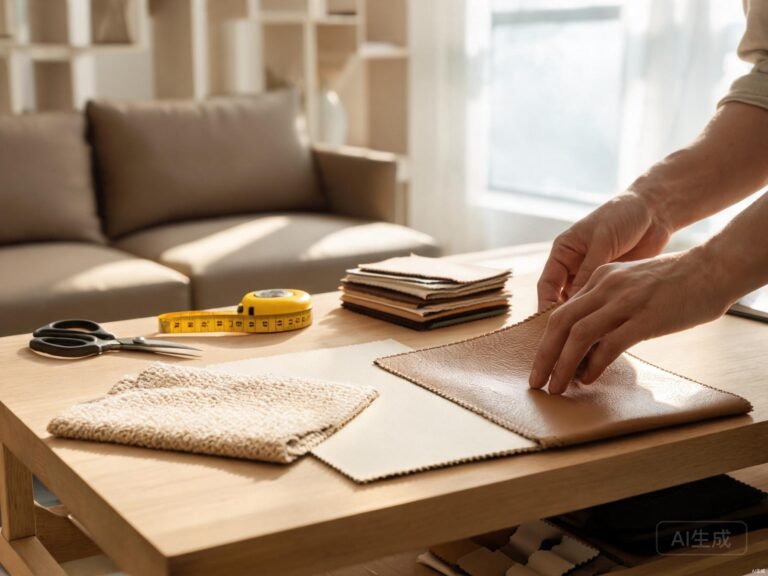
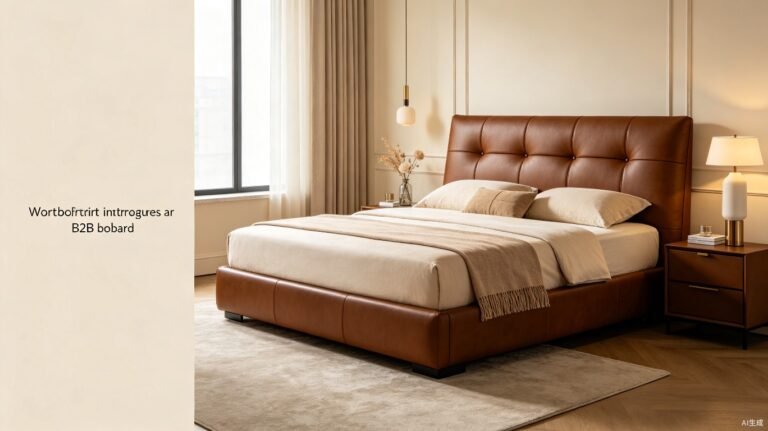
The upholstered headboard material you choose sets the emotional tone of a bedroom before anyone even lies down. It is the first thing people see when they enter the room, the surface they lean against while reading, and the texture they feel against their shoulders every morning. For furniture manufacturers and interior designers, headboard upholstery is not an afterthought — it is a central design statement.
This guide compares the most common headboard materials — velvet, linen, PU leather, and silicone leather — on the factors that matter for bedroom design: visual impact, tactile comfort, durability against hair oils and skin contact, and long-term maintenance.
Upholstered Headboard Material Basics: What the Surface Sees
Headboards experience a unique wear pattern. Unlike seat cushions that see abrasion from clothing, headboards see sustained contact with bare skin, hair, and hair products. Oils from skin and scalp seep into porous fabrics. Hairspray, dry shampoo, and styling products create a sticky film on the surface. And because headboards are positioned against walls with limited airflow, moisture from perspiration lingers longer than on free-standing furniture.
Velvet looks luxurious and feels indulgent, but it absorbs oils readily and shows crushing marks where the head rests. Linen breathes beautifully but wrinkles permanently and stains with any liquid contact. PU leather offers a wipeable surface but develops a tacky film from hair products and can start peeling at tufted button points where the material is punctured and stressed.

Silicone leather handles all of these challenges. The non-porous surface does not absorb skin oils or hair products. It wipes clean with a damp cloth. And unlike PU, it does not develop surface tackiness from contact with styling products — a frequent complaint we hear from hotel procurement teams managing upholstered furniture in guest rooms.
Tufting, Buttoning, and Structural Stress Points

Tufted headboards — those with buttons or studs creating a diamond or channel pattern — add visual depth but create mechanical stress at every attachment point. The material is punctured, compressed, and stretched around each button. Over time, this stress causes cracking, tearing, or delamination at the weakest points of the upholstery.
Fabric handles tufting well initially but frays at the button holes over 2–3 years. PU leather is particularly problematic here — the rigid coating layer cracks around button points where the material is stretched and compressed repeatedly. We have seen PU tufted headboards show hairline cracks radiating from each button within 18 months of residential use.
Silicone leather’s polymer structure distributes stress differently. The silicone coating remains flexible even when compressed around tufting buttons, and the bond to the substrate fabric maintains integrity under repeated stretching. For manufacturers producing tufted headboard lines, this translates to fewer warranty claims related to button-point cracking — one of the most common failure modes in upholstered bedroom furniture.
Upholstered Headboard Material Durability and Color Fastness
Headboards in master bedrooms and hotel suites often receive direct sunlight through adjacent windows. Morning sun hits the headboard surface for hours, causing UV fading on fabrics and yellowing on PU leather. By the time the fading is noticeable, the entire headboard looks aged.
The Martindale abrasion test (ASTM D4966) and color fastness tests become relevant here [1]. Silicone leather scores 200,000+ Martindale cycles and maintains color stability under 2,000+ hours of UV exposure. Fabric fades within 500–1,000 hours. PU leather yellows and becomes brittle under similar exposure.

Practical tip: For headboards positioned near windows, specify a material with proven UV resistance. The cost difference between a standard fabric and a UV-stable silicone leather is typically recovered within the first replacement cycle you avoid.
Design Aesthetics: From Traditional to Contemporary
Headboard upholstery is a major visual anchor in bedroom design. The material choice communicates the room’s style immediately — velvet reads as traditional luxury, linen as casual coastal, smooth leather as modern minimalism, and textured grain as transitional.
Silicone leather offers design flexibility that rivals genuine leather. Available in smooth, lychee grain, and custom-embossed textures, it works across design styles from classic tufted wingbacks to minimalist floating panels. The surface has a natural matte-to-satin sheen that photographs beautifully — critical for furniture brands selling through catalogs and e-commerce. For custom color and texture matching, batch consistency across large production runs ensures every headboard in a hotel project matches the approved sample.
See how silicone leather performs in luxury bedroom furniture applications
Headboard Material Comparison
| Material | Visual Appeal | Oil/Stain Resistance | Tufting Durability | UV Resistance |
|---|---|---|---|---|
| Velvet | Luxurious | Poor — absorbs oils | Moderate — frays at buttons | Poor — fades quickly |
| Linen | Natural, casual | Poor — stains permanently | Good — natural fiber strength | Moderate — yellows over time |
| PU leather | Modern, sleek | Moderate — gets sticky | Poor — cracks at buttons | Poor — yellows and cracks |
| Silicone leather | Premium leather-like | Excellent — non-porous | Excellent — flexes around buttons | Excellent — 2,000+ hrs stable |
Request Headboard Material Swatches
Frequently Asked Questions
Is silicone leather comfortable to lean against?
Yes. The surface is smooth and soft to the touch — similar to genuine leather but without the cold initial sensation. It warms to body temperature quickly and does not get sticky with skin contact. For headboard applications where people lean against the surface for extended reading or device use, this comfort level is comparable to high-quality fabric or genuine leather.
Can silicone leather be used on curved or arched headboards?
Absolutely. The material conforms well to curved frames, arches, and scalloped edges without wrinkling or bunching. Its flexibility across temperature ranges means it performs consistently in various climates, from air-conditioned interiors to naturally ventilated bedrooms.
How do I clean an silicone leather headboard?
Routine cleaning requires only a soft cloth dampened with mild soap and water. For hair product buildup or makeup stains, a diluted alcohol solution works safely. Unlike fabric headboards that require professional cleaning, silicone leather maintenance is straightforward enough for hotel housekeeping staff or homeowners to handle in-house.
Designing Headboards That Stay Beautiful
A headboard is the centerpiece of bedroom design. It deserves a material that looks stunning on day one and stays that way for years. The combination of oil resistance, tufting durability, UV stability, and design versatility makes silicone leather a compelling choice for furniture manufacturers and interior designers who want their headboard products to outlast the trend cycle.
If you are sourcing materials for a headboard collection or hospitality bedroom project, we would be happy to send swatches and test data tailored to your design specifications.
Talk to Our Bedroom Design Team
About TOPSUN
TOPSUN manufactures silicone leather for bedroom furniture, hospitality interiors, and residential design projects. We offer custom color matching, texture embossing, and batch-consistent production for large-scale headboard and bedroom collections.
Relevant standards: REACH compliant, RoHS compliant, OEKO-TEX Standard 100, FDA 21 CFR 177.2600.