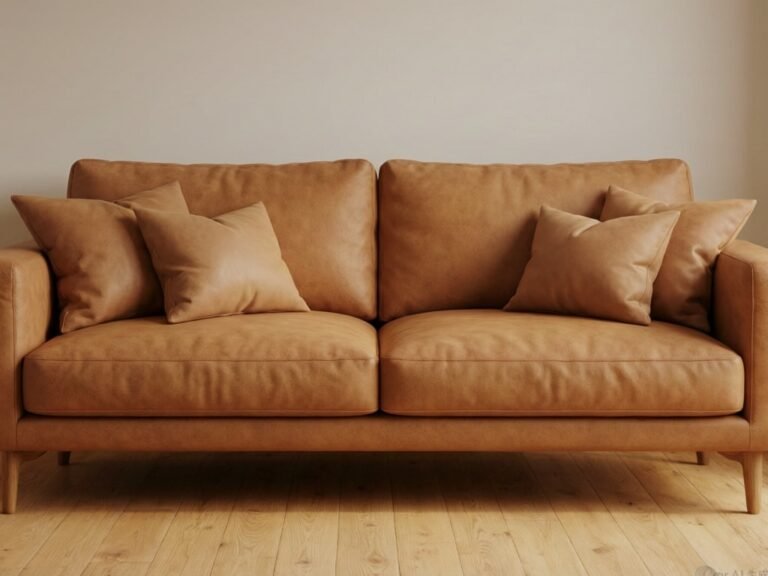
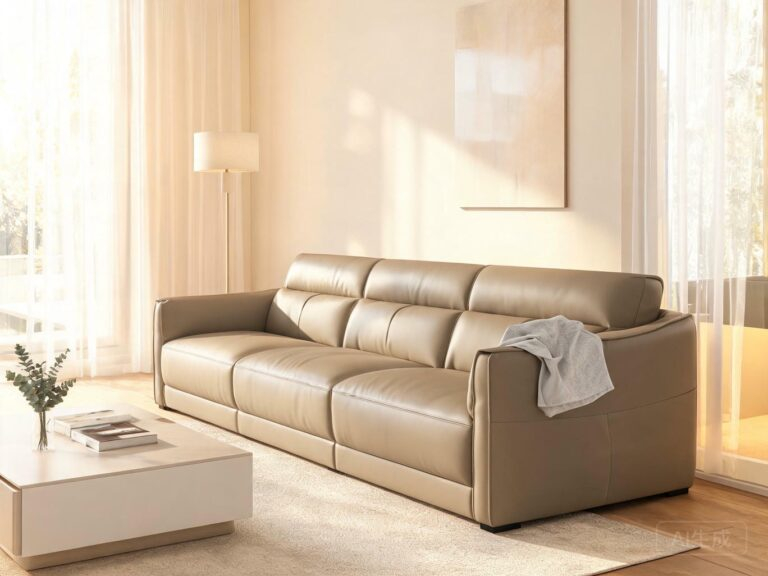
The loveseat upholstery material you choose has an outsized impact on how the piece is perceived. Loveseats are designed for intimacy — two people sitting close, often in smaller living rooms, apartments, or hotel suites. The upholstery is within arm’s reach at all times. Every texture, temperature shift, and surface imperfection is noticeable. In compact seating, there is nowhere for the material to hide.
This guide walks through what makes a loveseat upholstery material successful in small-space environments, where comfort, visual appeal, and practicality must coexist in a tight footprint.
Why Compact Seating Demands Better Materials
On a large sectional, a slightly stiff surface or a minor stain gets lost in the scale. On a loveseat, those same issues become the entire experience. The seating surface is smaller, so wear concentrates faster. The users sit closer to the armrests and back panels, meaning those surfaces see more contact. And because loveseats are often placed against walls or in corners, the back and sides are visible — there is no hiding a poorly finished seam or a material that pills at the edges.
For furniture manufacturers and interior designers specifying compact seating lines, the material choice directly affects customer satisfaction, return rates, and word-of-mouth referrals.

Loveseat Upholstery Material: The Surface Feel Factor
Surface texture matters disproportionately on loveseats because users are in constant physical contact with a larger percentage of the seating area. When two people share a 120cm-wide seat, thighs touch. Arms rest on shared armrests. Shoulders press against the same back panel.
Fabric feels warm and natural but pills with friction, especially at the armrest edges where wrists and forearms rub. PU leather starts soft but can develop a tacky surface over time — a sensation that becomes particularly unpleasant in warm weather when two people are sharing body heat in close proximity. PVC vinyl is smooth but cold to the touch and lacks the tactile warmth that makes seating feel inviting.
Silicone leather offers a surface that is smooth without being cold, soft without being sticky, and warm without trapping heat. In our material samples sent to interior designers, the tactile feedback on silicone leather is consistently described as “the closest thing to genuine leather without the maintenance issues.” For sofa and loveseat applications where surface feel is a primary selling point, this matters.

Loveseat Upholstery Material Durability in High-Contact Spaces
Compact seating concentrates wear. A loveseat that seats two people has the same contact pressure as a three-seater sofa with three people, but distributed over 30–40% less surface area. The Martindale abrasion test (ASTM D4966) becomes even more relevant here [1].
Standard fabric at 15,000–25,000 cycles will show pilling and fiber breakdown within 18–24 months in a loveseat used daily. PU leather’s 30,000–80,000 cycle rating looks adequate on paper, but its hydrolysis vulnerability means the surface can start peeling at fold lines and stress points before the abrasion failure threshold is reached. Silicone leather at 200,000+ cycles provides headroom that translates directly to longer product life and fewer warranty claims.
Designer insight: In compact urban apartments where a loveseat is the primary seating piece, the material gets 2–3x the usage intensity of a loveseat in a larger home. Specifying a higher-durability material is not a luxury — it is a necessity for product longevity.

Color, Pattern, and Small-Space Psychology
Loveseats occupy visual space disproportionate to their physical size. In a small apartment, the loveseat is often the largest single object in the room. Its color and texture set the tone for the entire space. Light colors make a room feel larger but show stains faster. Dark colors hide wear but can make a small room feel closed in.
Silicone leather offers a practical solution to this dilemma. Its non-porous surface resists staining so effectively that even light colors like cream, beige, and soft gray remain clean-looking over time. This means designers can specify lighter, room-expanding tones without the maintenance anxiety that comes with fabric. For custom color matching, we can produce batch-consistent shades across large production runs.
See how silicone leather performs in compact luxury furniture applications
Loveseat Upholstery Material Quick Reference
| Material | Best For | Avoid If |
|---|---|---|
| Woven fabric | Budget lines; pattern variety | High-traffic or stain-prone settings |
| PU leather | Mid-market; leather look on budget | Humid climates or daily folding use |
| PVC vinyl | Institutional; lowest cost | Premium residential or comfort-focused |
| Silicone leather | Premium compact seating; hospitality | Strictest budget constraints only |
Request Loveseat Fabric Swatches
Frequently Asked Questions
What is the best loveseat upholstery material for pet owners?
Silicone leather outperforms fabric and most PU options for pet-friendly loveseats. The dense surface resists claw penetration better than woven fabric, and pet hair wipes off easily rather than embedding into fibers. Small scratches can often be buffed out. For compact seating in pet-friendly homes, this is a major advantage.
Can silicone leather be used on curved or rounded loveseat designs?
Yes. Silicone leather stretches and conforms well to curved frames, tufted designs, and rounded armrests without wrinkling or puckering. The material’s flexibility — maintained across temperatures from -40°C to 250°C — means it performs equally well on both sharp modern frames and soft organic curves.
How does light-colored silicone leather hold up on loveseats?
Surprisingly well. Because the silicone surface is non-porous, most spills and stains sit on top rather than soaking in. A quick wipe with a damp cloth handles coffee, wine, and food spills. For deeper cleaning, diluted bleach is safe — something that would destroy fabric or damage PU. This makes light colors practical even in high-use settings.
Specifying Loveseat Upholstery That Lasts
Loveseats may be small, but their material requirements are demanding. The compact footprint concentrates wear, intensifies surface contact, and puts the upholstery on full display. Choosing a material that can handle this environment without compromising comfort or aesthetics is the difference between a product that lasts five years and one that gets returned in six months.
If you are developing a loveseat or settee line and want to evaluate materials side by side, we can send swatches in your target color palette along with test data specific to compact seating applications.
About TOPSUN
TOPSUN manufactures silicone leather for furniture brands, interior designers, and hospitality projects worldwide. Our materials offer 200,000+ Martindale abrasion cycles, custom color and texture matching, and solvent-free production.
Relevant standards: REACH compliant, RoHS compliant, OEKO-TEX Standard 100, FDA 21 CFR 177.2600.