Walk into any hotel lobby three years after opening and run a hand across the lounge seating. Some covers still show crisp grain under the lighting. Others have gone shiny and flat where guests’ hands travel every day. The difference is rarely the fabric’s price. It is whether the texture fabric was engineered into the surface or printed onto it.
This guide compares the two routes from the factory floor side. We look at how each texture is made, and how each one ages under real traffic. It ends with the checks a buyer should run before committing to a full roll.
| Dimension | Printed Texture | Embossed Texture |
|---|---|---|
| How the pattern is applied | Ink or film bonded on top of the surface | Heat and pressure reshape the surface at 130-170°C |
| Aging under friction | Polishes shiny, then wears through | Grain geometry held in the elastomer layer |
| Tactile depth | Flattest where the film is thinnest | Relief you can read with a thumbnail |
| Batch repeatability | Tied to print registration quality | Set by the engraved roller, roll after roll |
How Embossed Texture Is Engineered Into the Surface
Embossed texture starts as steel. A pattern is engraved into a metal roller or a release paper. The material passes through with heat and pressure, and the surface takes the mirror image of that engraving. Textile processing references put fabric fiber embossing at 130 to 170°C. That is hot enough to soften thermoplastic fibers, so the shape holds once the material cools. No ink is involved. The topography is the material.
The production route matters when you source. Fiber embossing deforms the fabric itself. It holds well on polyester, while cotton and linen need resin finishing to survive repeated washing. Silicone embossing cures a raised layer onto the surface at 140 to 180°C. The result survives laundering but needs flat-bed pressing. Coated-fabric lines take a third route. The grain is set into the coating through release paper or embossing rollers. Texture depth and abrasion life arrive in one pass. Our calendering and coating line runs exactly this sequence, from base fabric unwinding to finished roll.
The full production flow behind a textured surface, including calendering and coating stations, is described on our factory production page.

Calendering rollers: the engraving on the steel becomes the grain on the surface.
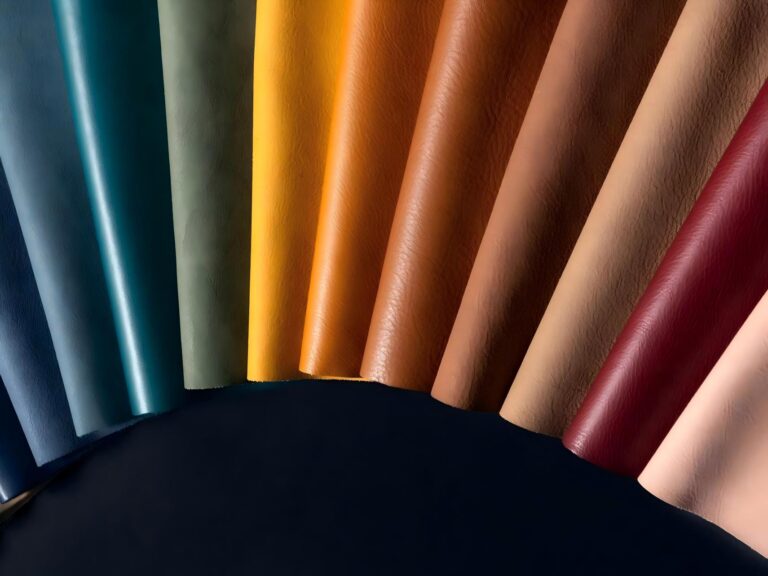
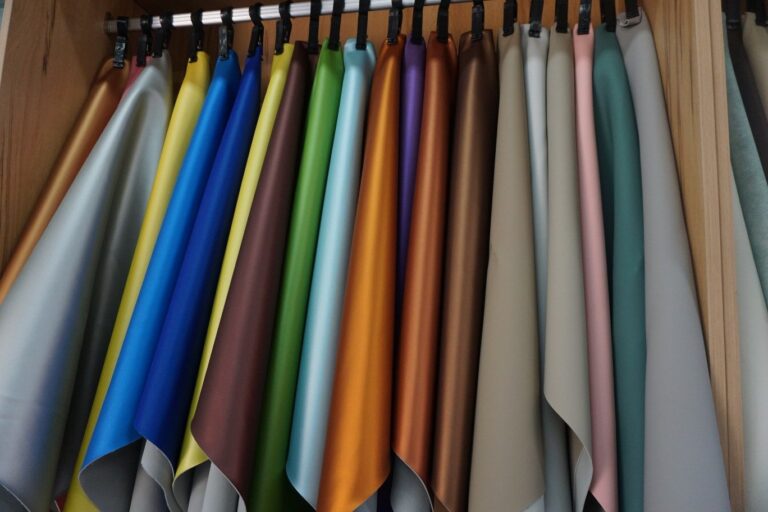
A walkthrough of the grain range one embossing line can produce, from plain weaves to named patterns.
Texture Fabric Under Wear: Where Printed Patterns Fail
Abrasion is the honest test. Commercial seating programs commonly demand tens of thousands of double rubs before they accept a cover material. A busy lobby multiplies that by years of daily contact. A printed pattern starts with the odds against it. Every cycle that polishes the surface is also eroding the film that carries the design.
Embossed grain behaves differently. In our Martindale testing, silicone-coated material clears 200,000 cycles with the grain geometry still readable. The texture lives inside a thick elastomer layer rather than on top of it. Washing tests show the same split. Cured silicone decoration resists lifting, while print films tend to fail at the edges first.

Lychee grain in macro: relief like this comes from the material itself, not from a print film.
Heat and skin oils widen the gap in seating zones. Armrests, seat edges, and headrests see the most contact, and they are exactly where printed covers go shiny first. For high-traffic programs such as hotels, cinemas, and transit seating, we treat texture retention as part of the durability specification. It is not a styling note. The furniture and sofa applications page maps grain options to traffic levels.

Hotel seating: the traffic zone where printed decoration fades first and engineered grain holds.
Texture Fabric Consistency: The Batch-to-Batch Check
Texture is also a tolerance, not just a look. At outgoing inspection we compare bulk rolls against the approved sample under the same light source. Grain depth, pattern pitch, and sheen have to match. AQL sampling on each lot catches the slow drift that a quick glance misses. A roll that looks right in the showroom but drifts in production is the defect buyers discover too late.
You can run a lighter version of this check yourself. Ask for samples cut from a current production run rather than showroom pieces. Press a thumbnail into the edge to feel the grain depth. Look across the width for shine variation, and confirm the pattern repeat does not drift from roll to roll. If a supplier hesitates to send production-date samples, that hesitation is the data.

Embossed dot grain: pattern pitch and depth must stay uniform from edge to edge.

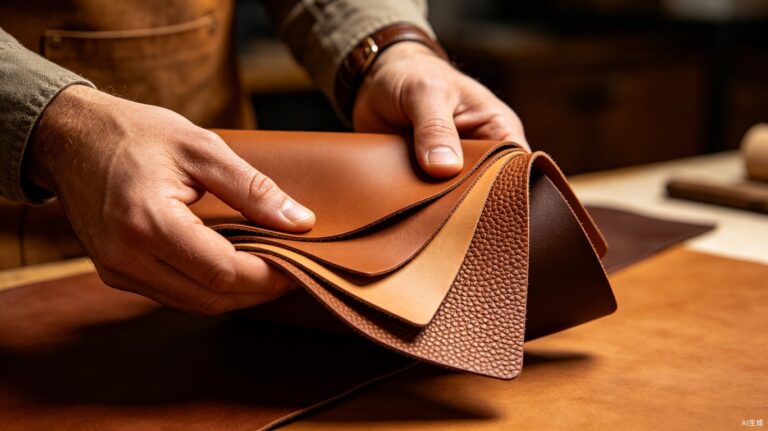
Approval samples: always confirm against a production-date swatch, not a showroom piece.
Which Texture Fabric Should You Specify?
Neither route wins everywhere. The table below is the decision we walk through with buyers before a first order.
| Your requirement | Better fit | Why |
|---|---|---|
| Short-cycle project on a tight budget | Printed texture | Lowest surface cost, acceptable for one or two seasons of light use |
| Seating that must look right for 5+ years | Embossed silicone-coated fabric | Grain survives 200,000+ Martindale cycles in our lab testing |
| Authentic leather look without leather upkeep | Premium embossed grain | Cowhide and pigskin replications with batch-to-batch consistency |
| A signature pattern exclusive to your brand | Custom engraved embossing | Your pattern becomes a production roller, not a print file |
Across all four rows the principle holds. Texture fabric earns its keep when the surface geometry is engineered, measured, and repeatable. Decide which side of that line your program sits on before the first roll ships.
Request Texture Fabric Samples
About TOPSUN
TOPSUN manufactures silicone-coated texture fabrics with in-house calendering, embossing, and release-paper grain work, from plain and lychee basics to a named-pattern texture library and full custom engraving.
Every lot ships with texture and color-fastness inspection records, backed by SGS reporting and a 500m MOQ for custom grains. For an overview of the material itself, see our silicone leather introduction.
Does embossed texture flatten out over time?
Print does; embossed grain does not. Because the relief sits inside the elastomer layer, the grain geometry stays readable. Our abrasion and flexing records confirm it after 200,000 Martindale cycles. A printed film, by contrast, loses depth as the surface wears through.
Can we order a grain that is not in your texture library?
Yes. Custom engraving starts from your drawing or a physical sample. We cut the roller or release paper, then run a trial batch. Texture depth and sheen are confirmed against your master before mass production, with a 500m MOQ for custom grains.
References
1. https://www.jinyumachinery.com/news/can-an-embo… — fabric fiber embossing at 130-170°C, silicone embossing at 140-180°C, cotton and linen rebound after washing
2. https://sjzfabric.com/fabric-texture/ — surface texture versus tactile texture, and how texture differs from pattern and weave
3. https://textilepulse.com/guides-reviews/texture… — texture as engineered, repeatable topography rather than accidental roughness