Steering wheel leather takes more abuse than almost any other surface in a vehicle. Hands grip it for hours every day. UV radiation bakes it through the windshield. Sweat, sunscreen, and hand sanitizer degrade the coating from the outside in. If you’re sourcing for OEM, Tier-1, or aftermarket programs, the difference between a 10-year wheel and a 2-year wheel comes down to a handful of verified lab specs — not marketing buzzwords like “premium” or “luxury.”
Here’s the thing: most buyers evaluate steering wheel leather by grain type (full-grain, top-grain, Nappa) and stop there. But in our testing, grain type explains less than 30% of real-world longevity. The other 70% comes down to coating chemistry, substrate bonding, and how the material performs under standardized stress tests. This article breaks down the five specs that matter most, how to read the test reports, and why silicone-coated steering wheel leather is quietly replacing traditional PU-coated options in EV programs.
What Is Steering Wheel Leather, and Why Does Grade Matter?
Steering wheel leather is a coated material — usually a base hide or fabric substrate topped with a wear-resistant surface coating — engineered specifically for the mechanical and environmental stress of a driver’s primary touchpoint. Unlike seat upholstery, which faces mostly static pressure and occasional abrasion, a steering wheel experiences constant rotational friction, palm pressure, and UV exposure at temperatures that can reach 80°C (176°F) inside a parked car.
Grade matters because the failure modes are different. A seat cover might fade or crack at seam lines. A steering wheel fails when the coating wears through at the 10-and-2 positions, when color transfers onto drivers’ hands, or when the surface becomes sticky and slippery after UV degradation. These failures aren’t just cosmetic — they affect grip and driver confidence.

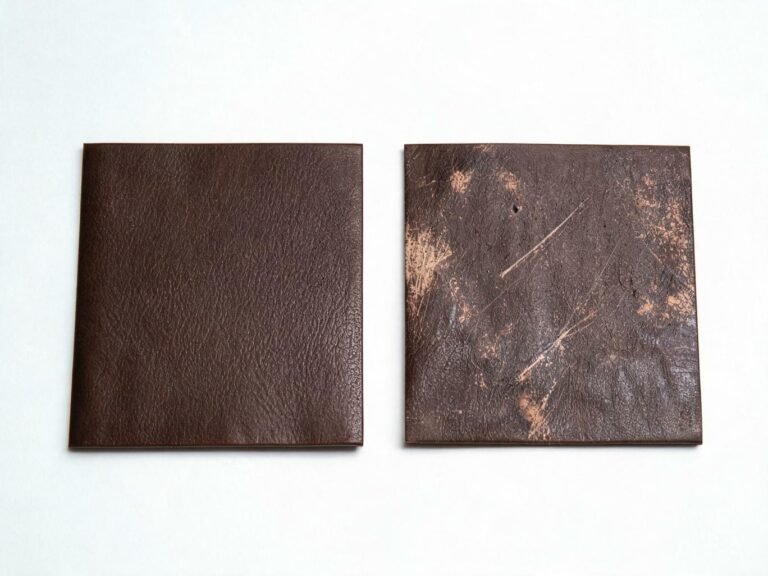
Abrasion testing on a Martindale machine — one of five critical specs for steering wheel leather validation.
In our lab, we’ve seen budget PU-coated wheels start showing coating loss at as few as 15,000 abrasion cycles — roughly equivalent to 18 months of daily commuting. Premium genuine leather with a silicone topcoat, by contrast, can exceed 100,000 cycles before any measurable wear appears. That’s a 6x+ difference, and it has very little to do with whether the substrate is “real leather” or synthetic.
Key insight: Grain type (full-grain vs. top-grain) explains less than 30% of real-world steering wheel longevity. Coating chemistry and substrate bonding drive the other 70%.
The 5 Specs That Predict Steering Wheel Leather Lifespan
When we qualify materials for automotive interior programs, we run a standard battery of five tests. Each one isolates a specific failure mode. Here’s what they measure and what numbers you should look for on a data sheet.
| Test Standard | What It Measures | OEM Minimum | Premium Silicone Leather |
|---|---|---|---|
| Martindale Abrasion (ISO 12947) | Surface wear resistance under repeated friction | 50,000 cycles | 100,000+ cycles |
| SAE J2527 UV Exposure | Color and gloss retention under simulated sunlight | 1,000 hrs (ΔE ≤ 3) | 1,500 hrs (ΔE ≤ 2) |
| Flex Endurance (ISO 5402) | Coating crack resistance under repeated bending | 200,000 flexes | 500,000+ flexes |
| Color Fastness to Perspiration | Stain and transfer resistance to sweat/hand oils | Grade 4 (grey scale) | Grade 4.5–5 |
| Cold Crack Resistance | Coating flexibility at low temperatures | −30°C no cracking | −40°C no cracking |
If a supplier’s data sheet is missing even one of these five, consider it a red flag. The most commonly skipped test is color fastness to perspiration — which is also the failure mode drivers notice first, since stained hands are impossible to ignore.

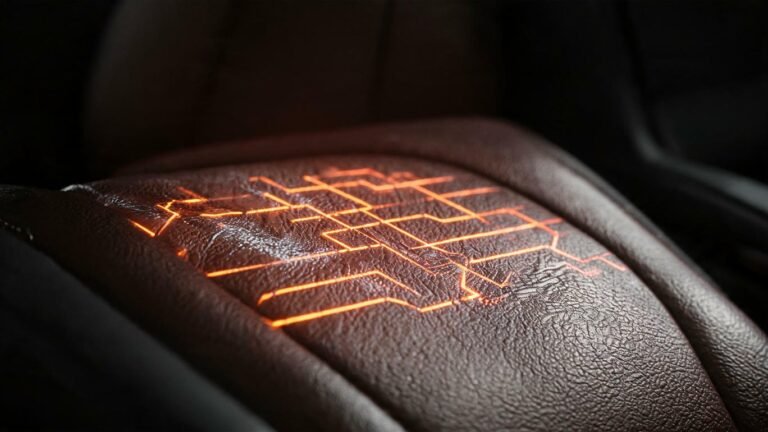
Flex endurance testing — a critical spec for steering wheel applications where the rim undergoes constant gripping and twisting.
Genuine Leather vs. Synthetic for Steering Wheel Applications
The genuine vs. synthetic debate for steering wheel leather usually misses the point. Both categories have entry-level products that fail in under two years and premium products that last a decade. The variable isn’t whether the substrate comes from a cow — it’s how the surface coating is engineered and bonded.
That said, there are real trade-offs worth understanding:
- Genuine leather offers a natural feel that many drivers associate with luxury, and it develops a patina over time. But quality varies dramatically by hide grade and tanning method. Low-end genuine leather with a thin PU coating is actually less durable than a high-end synthetic with a silicone topcoat — because the PU coating is the wear layer, not the hide itself.
- Synthetic leather (PU, PVC, microfiber, silicone-coated) offers consistent quality, better stain resistance, and often better UV performance at a lower cost. The gap in “feel” has narrowed significantly; premium synthetics are now nearly indistinguishable from genuine leather to the touch. For more on the material comparison, see our silicone vs PU leather breakdown.
- Silicone-coated variants — whether on a genuine leather hide or a microfiber substrate — represent the fastest-growing segment in automotive interiors. The silicone layer provides unmatched stain resistance, UV stability, and a “dry touch” grip that doesn’t get slippery when hands sweat. This is particularly important for EV programs, where cabin heat management and low-VOC requirements add extra constraints.
Not so fast — “silicone-coated” isn’t a guarantee of quality either. The thickness of the silicone layer, the bonding method, and the substrate all matter. A 0.1mm silicone coating on a cheap microfiber will delaminate faster than a properly coated top-grain hide. Always ask for cross-section micrographs and peel strength data.

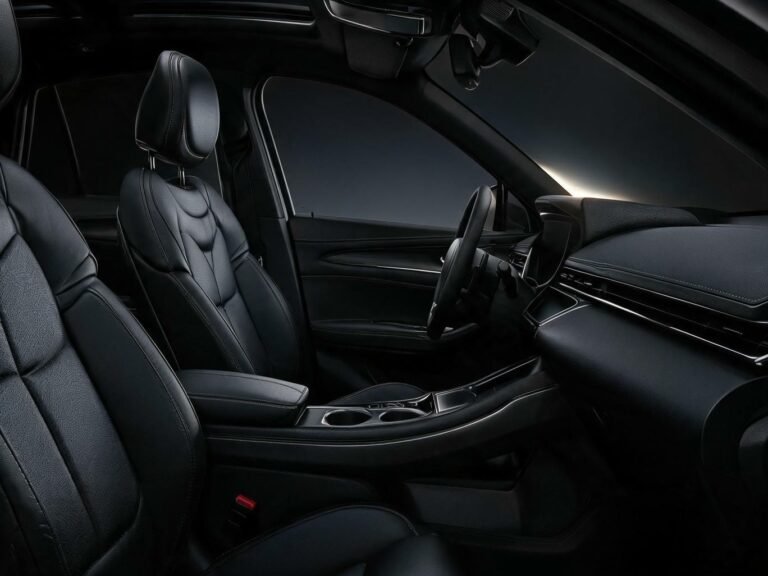
Silicone-coated leather steering wheel in a modern EV interior — combining premium feel with zero-VOC performance.
See how silicone leather performs in real automotive interior conditions — from UV exposure to sweat resistance.
Why Silicone-Coated Materials Are Winning EV Interior Programs
Electric vehicles have changed the steering wheel leather specification game in three ways that most buyers haven’t fully caught up with yet.
First, EV cabins heat up differently. Without an engine generating waste heat that must be vented, and with large glass roofs becoming standard, interior surface temperatures can climb higher than in ICE vehicles. This accelerates UV degradation and coating embrittlement — exactly the failure modes where silicone outperforms PU by a wide margin. For more on this, our electric vehicle interior leather article covers the full EV-specific test matrix.
Second, VOC and odor requirements are stricter in EVs. Since the cabin is sealed and relies on heat pumps rather than vented engine heat, any off-gassing from materials becomes immediately noticeable. Traditional PU-coated leathers can emit volatile organic compounds as the coating ages, especially at high temperatures. Silicone coatings are inherently low-VOC and odor-free, which is why they’re increasingly specified for eco-friendly silicone leather programs targeting LEED or wellness certifications.
Third, the user profile is shifting. EV owners tend to drive more miles per year (lower operating cost = more road trips), and many use their vehicles for ride-sharing or delivery — meaning the steering wheel gets more hands on it, more often. Durability isn’t a nice-to-have; it’s a warranty cost issue.
EV reality check: A steering wheel in a high-utilization EV might see 2x the hand contact hours of a comparable ICE vehicle. Spec your material accordingly.
Sourcing Steering Wheel Leather: A B2B Buyer’s Checklist
Whether you’re an OEM materials engineer, a Tier-1 component supplier, or an aftermarket brand looking to upgrade your product line, here’s what to verify before signing a PO.
- Complete test data for all five specs — not just the ones the supplier chooses to share. Martindale, UV, flex, perspiration, and cold crack. All five. With third-party lab reports.
- Coating chemistry and thickness — ask whether it’s PU, silicone, or a hybrid. What’s the coating thickness in microns? How is it bonded to the substrate (laminated vs. direct-coated)?
- Substrate specifications — for genuine leather, specify hide grade (full-grain vs. top-grain vs. split) and tanning method. For synthetics, specify base fabric type and weight.
- Color consistency and matching — steering wheels are highly visible components. Ask for color tolerance data (ΔE values) and lot-to-lot consistency guarantees. Custom color matching capability is a plus for branded programs.
- Regulatory compliance — REACH, RoHS, and any OEM-specific material standards (like automotive-grade leather standards). For EVs, add low-VOC and low-fogging requirements.
- Sample availability and lead time — can you get A4-size samples for in-house testing? What’s the lead time for custom colors or textures? A supplier that can’t provide samples quickly probably can’t ramp up production quickly either.
Talk to Our Automotive Engineers
Frequently Asked Questions
How long does steering wheel leather typically last?
It depends entirely on the coating quality and usage conditions. Entry-level PU-coated wheels can show visible wear in 1–2 years of daily use. Premium genuine leather with proper maintenance lasts 7–10 years. Silicone-coated leathers, both genuine and synthetic, are showing 10+ year lifespans in field data — especially in hot climates where UV exposure is high.
What’s the difference between Nappa leather and regular leather for steering wheels?
Nappa leather is a type of full-grain or top-grain leather known for its soft, supple feel and fine grain. It’s typically made from lamb or sheep hides rather than cowhide, which gives it a smoother texture. In steering wheel applications, Nappa feels premium but is actually less abrasion-resistant than a good top-grain cowhide with a protective coating. It’s a comfort/luxury choice, not a durability choice. If longevity matters more than showroom softness, look for a coated top-grain or silicone-coated option instead.
The Bottom Line on Steering Wheel Leather
Steering wheel leather is one of the most high-stakes material choices in a vehicle interior. It’s the part drivers touch every single day. It’s the part that fails visibly and publicly. And yet it’s often specified based on grain type and price alone — which is exactly backward.
The right approach is to start with the performance specs: abrasion resistance, UV stability, flex endurance, color fastness to perspiration, and cold crack performance. Then, and only then, decide whether a genuine leather or synthetic substrate makes sense for your program. For most modern applications — especially EVs and high-utilization vehicles — a silicone-coated steering wheel leather delivers the best balance of feel, durability, and total cost of ownership.
Get a Custom Quote for Steering Wheel Leather
About TOPSUN
TOPSUN engineers silicone-coated steering wheel leather for OEM and Tier-1 automotive interior programs requiring verified abrasion and UV performance across real-world driving conditions.
Our materials pass SAE J2527 UV exposure, ISO 12947 Martindale abrasion (100K+ cycles), and zero-VOC emissions — with custom texture matching and OEM-qualified color consistency.