If you’re in charge of furnishing a hotel, resort, or any hospitality property, you know that sofa fabric isn’t just a design choice — it’s an operational cost center. Every coffee spill, every makeup smudge, each guest who sits down with wet swimwear — they all add up to cleaning time, replacement costs, and the risk of a guest noticing a stain and leaving a bad review. The cheapest sofa fabric upfront is rarely the cheapest over the five-to-seven-year lifespan of a hotel furniture package. The real question isn’t “how much does it cost per meter?” It’s “how much does it cost per cleanable year?”
In this procurement-focused guide, we’ll break down the total cost of ownership for hotel sofa fabrics, explain why cleaning cycles are the hidden cost driver, and show how upgrading to performance materials can reduce your long-term spend while improving the guest experience.
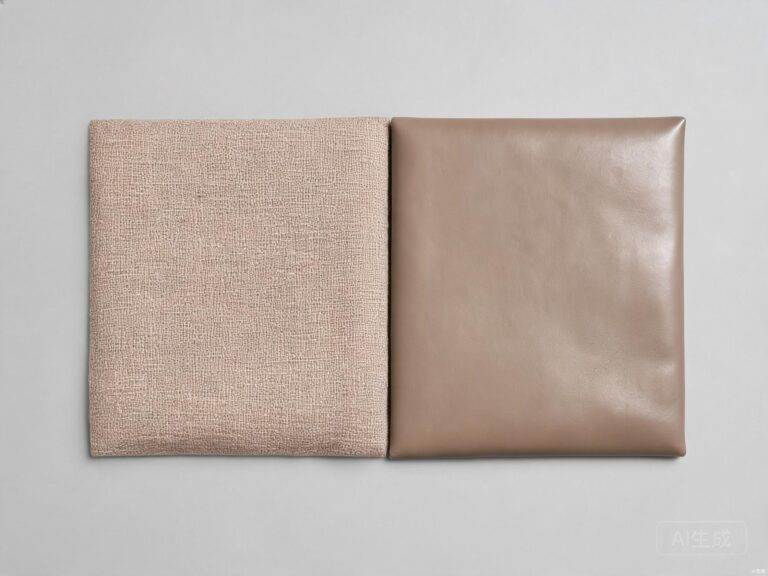
Request Hospitality Fabric Samples
The Hidden Cost of Sofa Fabric in Hospitality
When hospitality procurement teams evaluate sofa fabric, most focus on three things: price per meter, color, and whether it passes the fire code. Those matter, but they’re only the tip of the iceberg. The real costs show up after the furniture is installed and the guests start arriving.
Cleaning Labor: The Biggest Hidden Expense
Housekeeping teams spend an enormous amount of time spot-cleaning upholstery — and every minute spent scrubbing a coffee stain out of a sofa is a minute not spent on higher-impact tasks. With traditional woven fabrics, a single wine stain might require multiple cleaning attempts with specialized products, and there’s no guarantee it will come out completely. Over the course of a year, those minutes add up to hours, and those hours add up to real labor cost. A fabric that wipes clean in 30 seconds instead of 10 minutes of scrubbing doesn’t just look better — it saves money every single day.
Premature Replacement and Refurbishment
Hotel furniture is typically expected to last 5–7 years before needing refurbishment. But if the fabric wears out or stains irreparably in 2–3 years, you’re looking at early reupholstering costs that can easily exceed the original furniture price. High-traffic areas like lobbies, restaurants, and bars see even shorter lifespans. The problem is that by the time you realize the fabric isn’t holding up, you’ve already bought dozens or hundreds of pieces — and replacing the fabric on all of them is expensive and disruptive to operations.
Guest Experience and Brand Risk
A stained or worn sofa in a hotel lobby sends a message about your brand — and it’s not a good one. Guests notice these things, and in the age of TripAdvisor and Instagram, one photo of a stained sofa can reach thousands of potential customers. The cost of a bad review is hard to quantify precisely, but every hotel operator knows that negative reviews directly impact booking rates and pricing power. Investing in better fabric isn’t just a maintenance decision; it’s a brand protection decision.

Water and stain resistance testing — quality hospitality fabric should make spills easy to remove without leaving a trace, reducing housekeeping time and maintaining a pristine appearance.
Procurement stat: Marriott, Hilton, and other major hotel chains have established durability and cleanability standards for FF&E (furniture, fixtures, and equipment) because they know firsthand that cheap materials cost more over time. Commercial-grade upholstery for hospitality needs to withstand 50,000+ Martindale cycles and be cleanable with standard housekeeping products. If your current supplier isn’t providing test data for both, you’re probably buying a residential-grade product at a commercial price.
Why Cleaning Cycles Matter More Than You Think
Every time housekeeping cleans a sofa, they’re not just removing a stain — they’re also wearing down the fabric. Cleaning agents break down surface treatments. Agitation with brushes abrades the fibers. Steam cleaning forces moisture deep into the padding, which can lead to mold and odors if it doesn’t dry properly. The number of cleaning cycles a fabric can survive before it starts looking worn is one of the most underrated metrics in hospitality procurement.
The Stain Removal Efficiency Factor
Not all stains are created equal, and not all fabrics handle them the same way. Water-based stains (coffee, soda, juice) are easier to remove than oil-based ones (makeup, salad dressing, sunscreen). Protein stains (blood, egg, dairy) need different treatment again. A good hospitality fabric should handle the most common hotel stains with a simple wipe using standard cleaning products. If your housekeeping team needs five different specialized cleaners and a steam extractor to handle everyday spills, that’s a sign your fabric is creating unnecessary work.
Cleaning Frequency and Cumulative Wear
A lobby sofa in a busy hotel might get spot-cleaned multiple times per week. Over five years, that’s hundreds of cleaning cycles. Each cycle takes a tiny toll on the fabric — the color fades slightly, the texture changes, the surface treatment wears away. With a high-performance fabric, these effects are barely noticeable after hundreds of cleanings. With a budget fabric, you might see visible wear after a few dozen. The difference in lifespan — and replacement cost — can be dramatic.
The Downtime Problem
Every time a sofa needs deep cleaning or professional stain removal, it’s out of service. In a restaurant, that’s fewer seats for guests. In a lobby, it’s a gap in the seating arrangement. In a guest room, it might mean the room can’t be sold until the stain is removed or the furniture is replaced. These downtime costs are real but rarely calculated in traditional procurement analyses. A fabric that can be spot-cleaned in 30 seconds without taking the furniture out of service has a real operational value that goes far beyond the material cost.

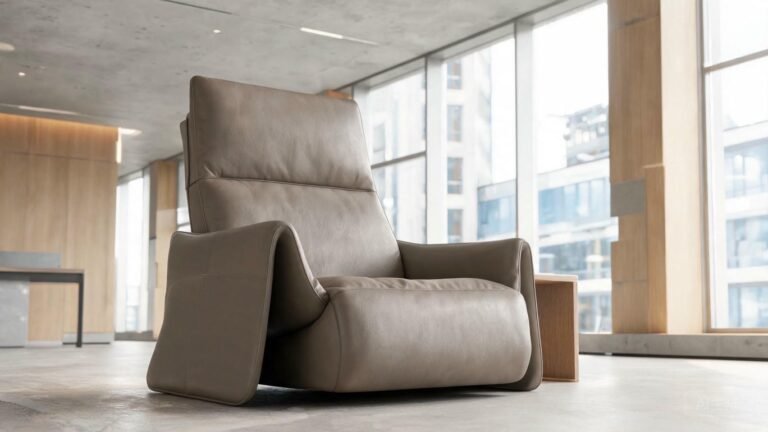
Scratch and abrasion testing in our quality lab — commercial-grade hospitality materials must survive years of heavy use without showing visible wear.
Material Options: A Total Cost Comparison
Let’s compare the three main categories of sofa fabric used in hospitality, looking beyond per-meter cost to the total cost of ownership over a 5-year hotel FF&E cycle.
| Cost Factor | Woven Fabric | PU Faux Leather | Silicone Leather |
|---|---|---|---|
| Material cost (per meter) | $8–$15 | $10–$20 | $18–$30 |
| Expected lifespan (high-traffic) | 2–3 years | 3–5 years | 7–10+ years |
| Average cleaning time per stain | 8–15 minutes | 3–5 minutes | 15–30 seconds |
| Stain removal success rate | 60–75% | 75–85% | 95%+ (most common stains) |
| Annual cleaning labor cost (est.) | High | Medium | Low (70% reduction) |
| Replacement cycles (5 years) | 2 full reupholsters | 1 reupholster | None (still looks good) |
| 5-year total cost index | 150 (highest) | 100 (baseline) | 80–85 (lowest) |
The math is clear: the cheapest fabric upfront has the highest total cost because it needs to be replaced multiple times and requires far more cleaning labor. Silicone leather costs more per meter, but when you factor in longer lifespan, dramatically reduced cleaning time, and zero reupholstering costs, it comes out ahead on total cost. This is why many hotel upholstery fabric buyers are shifting toward performance materials — they’re cheaper to own, even if they cost more to buy.

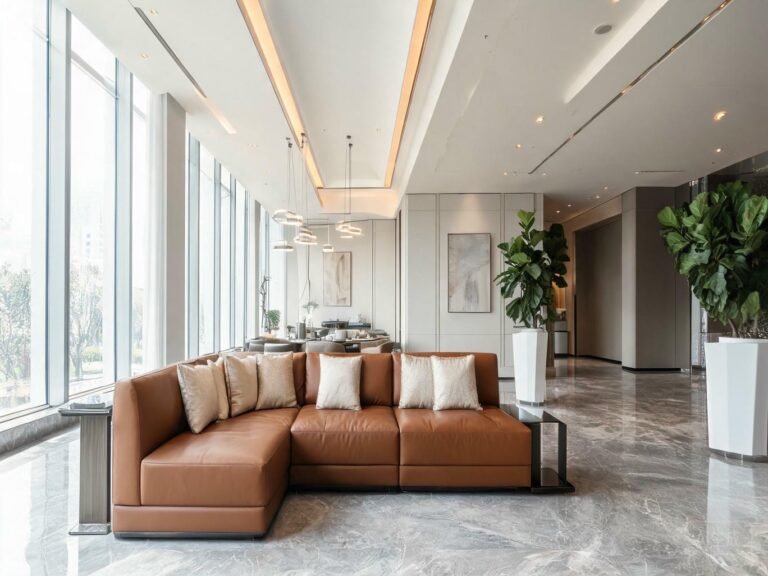
Hotel lobby with upholstered seating — the right fabric choice keeps common areas looking pristine for years, even with constant guest traffic.
Stain resistance demonstration — see how easily common spills wipe off silicone leather upholstery compared to traditional fabric and PU.
Making the Business Case for an Upgrade
If you’re a procurement manager trying to convince stakeholders to spend more on better sofa fabric, you need a business case, not just a better product. Here’s how to frame the conversation.
Calculate the Cleaning Labor Savings
Start with what you know: how many sofas do you have, how often do they get cleaned, and how long does each cleaning take? Multiply that by the fully loaded hourly cost of housekeeping labor. Then estimate the reduction from switching to an easy-clean material — we typically see 60–75% less time spent on upholstery cleaning. The annual savings number might surprise you, and it’s a number your finance team will understand immediately.
Extend the FF&E Cycle
If your current FF&E cycle is 5 years and your sofas need reupholstering at year 3, you’re effectively paying for upholstery twice in one cycle. A material that lasts the full 7 years without looking worn doesn’t just save the replacement cost — it also defers the next FF&E investment, improving your capital expenditure timing. For hotel owners and investors, this directly impacts both operating expenses and capital planning.
Tie It to Guest Satisfaction
Hotels with consistently clean, well-maintained public spaces score higher on guest satisfaction surveys and review platforms. While it’s hard to draw a direct line from sofa fabric quality to review scores, nobody has ever gotten a five-star review that mentions “the stained lobby furniture.” Present it as a brand standard issue — not just a procurement decision — and you’ll get more buy-in from the operations and marketing teams.
Procurement tip: When evaluating commercial upholstery fabric suppliers, ask for references from other hospitality properties — and call them. Ask specific questions: How has it held up? How easy is it to clean? Have you had to replace anything early? Suppliers with strong hospitality track records will be happy to connect you with references; suppliers who don’t have hospitality experience will dodge the question.
The Cheapest Fabric Rarely Saves Money
In hospitality, sofa fabric is one of those areas where you get what you pay for — and then some. The cheapest option costs more in labor, replacement, and brand damage than the most expensive option costs upfront. Smart procurement teams don’t just look at the per-meter price; they calculate the total cost of ownership over the entire furniture lifecycle. When you run the numbers, upgrading to a performance material like silicone leather almost always pays for itself — usually within the first two to three years.
If you’re working on a hotel FF&E project and want to see how silicone leather stacks up against your current specification, we’d be happy to provide samples, test data, and a custom TCO analysis for your specific property type and traffic levels.
About TOPSUN
TOPSUN supplies high-performance silicone leather for hospitality furniture and commercial seating, helping hotel groups and FF&E buyers reduce total cost of ownership while maintaining premium appearance across high-traffic spaces.
50,000+ cycle Martindale abrasion testing, stain resistance validation with common hospitality substances, commercial-grade flame retardant formulations, cleaning cycle durability testing, custom color matching for brand standards.