Acoustic design is the invisible architecture behind every great performance space. Whether it is a world-class concert hall, a professional recording studio, or a multi-screen cinema complex, the materials lining the walls, ceilings, and seating surfaces play a decisive role in how sound behaves within the room. For architects, interior designers, and acoustics consultants, selecting the right acoustic leather means balancing sound absorption, fire safety, aesthetic appeal, and long-term durability — often within the constraints of a single surface material.
Silicone leather has emerged as a compelling solution for these demanding environments. Unlike traditional fabric-wrapped acoustic panels or conventional polyurethane leather, silicone-coated materials combine tunable sound absorption with inherent flame resistance, low VOC emissions, and exceptional physical durability. This guide examines the silicone leather acoustic properties that make it suitable for theaters, studios, and concert halls, backed by technical data and real-world application insights.
How Silicone Leather Absorbs Sound
Sound absorption in upholstered surfaces works primarily through two mechanisms: the porous surface layer converts acoustic energy into heat through friction as air molecules move through microscopic openings, while the backing material — typically foam or fibrous batting — traps and dissipates transmitted sound waves. The effectiveness of a sound absorbing leather depends on the interaction between the surface material’s permeability, thickness, and the acoustic properties of its backing structure.
Silicone leather contributes to this system in several ways. First, its microporous surface structure allows a controlled degree of air permeability, enabling the surface layer to participate in mid-to-high frequency absorption without compromising the material’s wipe-clean practicality. Second, when paired with a flame-retardant foam backing at 1.5–2.0mm thickness — as found in TOPSUN’s Super Flame Retardant Collection — the composite panel achieves measurable sound absorption coefficients (NRC values) comparable to traditional fabric-wrapped systems. Third, the material’s density and flexibility allow it to conform to curved panel geometries, which introduces beneficial sound diffusion in addition to absorption.
Technical note: According to ASTM C423, the standard test method for sound absorption and sound absorption coefficients by the reverberation room method, composite panels using silicone leather at 1.5–2.0mm with flame-retardant foam backing demonstrate effective broadband absorption across the 250 Hz to 4,000 Hz range — the critical spectrum for speech intelligibility and musical clarity in performance venues.
Acoustic Applications: Theaters
Theaters present a uniquely demanding acoustic environment. The audience area must suppress reverberation to maintain dialogue clarity while allowing surround sound systems to deliver precise spatial audio. Side walls and rear walls are typically treated with noise reducing leather panels that absorb mid-frequency reflections that would otherwise muddy the surround sound field. Seating upholstery also contributes — the exposed surfaces of armrests, seat backs, and side panels collectively represent a significant absorptive area.
Silicone leather is particularly well-suited for cinema and theater seating because it meets the dual requirement of acoustic performance and fire safety. Our material achieves EN 13773 Class 4 flame retardancy — the highest classification under the European standard for seating in public assembly spaces — while simultaneously providing the absorptive backing that contributes to the room’s overall acoustic treatment. The material’s resistance to staining from food, beverages, and body oils also addresses the practical maintenance reality of high-traffic entertainment venues.

Figure 1: Theater interiors benefit from silicone leather acoustic wall panels that combine sound absorption with fire-rated performance.
Acoustic Applications: Recording Studios
Recording studios demand the most controlled acoustic environments in the built world. Unwanted reflections, flutter echo, and standing waves can compromise recording quality and make mixing decisions unreliable. The walls of a professional control room or live room are typically covered with a combination of broadband absorbers, bass traps, and diffusive surfaces.
For studio leather applications, silicone leather offers a distinct advantage over traditional materials: its extremely low VOC emissions. In the sealed, climate-controlled environment of a recording studio, off-gassing from conventional materials can accumulate over time, potentially affecting both sensitive electronic equipment and the comfort of engineers working long sessions. Silicone leather emits negligible volatile organic compounds throughout its service life, making it a healthier choice for enclosed acoustic spaces.
The material’s temperature tolerance from -40 degrees C to 250 degrees C also proves relevant in studio environments where high-wattage studio lighting and equipment racks can generate significant localized heat near wall-mounted panels — a scenario that would degrade many conventional vinyl or PU-based coverings.

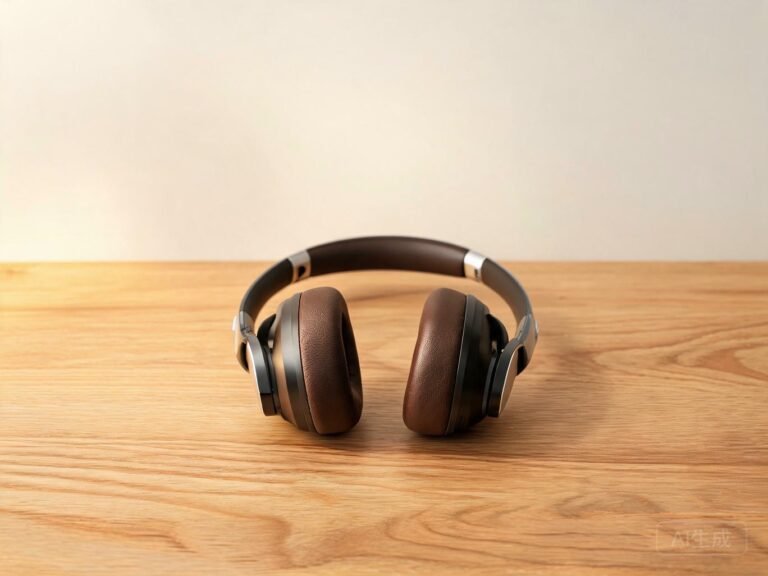
Figure 2: Professional recording studios use leather-covered acoustic panels for broadband sound absorption in controlled monitoring environments.
Acoustic Applications: Concert Halls and Performance Spaces
Concert halls present the opposite challenge from studios: rather than eliminating reflections, the goal is to shape them. The ideal concert hall reverberation time (typically 1.8 to 2.2 seconds for symphonic music) depends on a careful balance of reflective surfaces, absorptive surfaces, and diffusive geometries. Theater acoustic material in these spaces must provide controlled, predictable absorption at specific frequency ranges without deadening the room’s natural resonance.
Silicone leather wall panels in concert hall applications are typically mounted with an air gap behind them, which extends their effective absorption to lower frequencies. The material’s customizable thickness and texture allow acoustic consultants to specify different configurations for different wall zones — highly absorptive panels near the stage to reduce early reflections, and less absorptive treatments at the rear of the hall to maintain appropriate reverberance.
Aesthetic considerations are also paramount in concert halls. The warm, natural appearance of leather complements the architectural language of performance venues in ways that bare fiberglass or foam cannot. Silicone leather provides this visual warmth without the maintenance challenges and ethical concerns associated with animal hides. Furthermore, the material is 100% recyclable, aligning with the sustainability goals of modern cultural institutions.

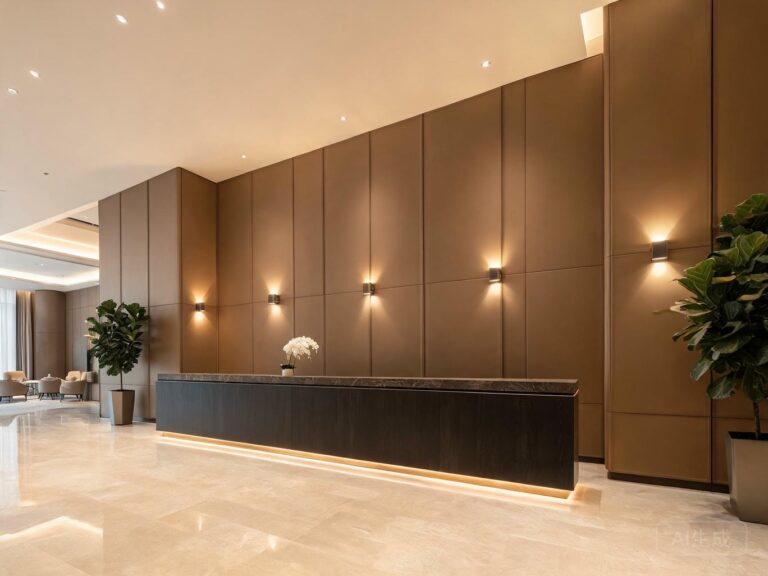
Figure 3: Concert halls utilize leather acoustic panels to shape reverberation characteristics while maintaining architectural elegance.
Silicone Leather vs. Traditional Acoustic Materials
When evaluating concert hall leather or acoustic leather for performance spaces, it helps to understand how silicone leather compares with the established alternatives:
| Property | Fabric-Wrapped Panels | PU / PVC Leather | Silicone Leather |
|---|---|---|---|
| Sound Absorption (NRC) | 0.70–0.95 (excellent) | 0.50–0.75 (moderate) | 0.65–0.85 (tunable with backing) |
| Fire Resistance | Requires treatment; may degrade | Flame-retardant grades available | Inherent; EN 13773 Class 4 |
| VOC Emissions | Low | Moderate; off-gassing possible | Ultra-low; safe for sealed rooms |
| Temperature Range | Limited; may degrade near heat | -20 degrees C to 80 degrees C | -40 degrees C to 250 degrees C |
| Cleanability | Difficult; professional cleaning only | Wipe-clean; moderate chemical resistance | Wipe-clean; excellent chemical resistance |
| Custom Thickness/Texture | Limited | Moderate customization | Fully customizable; acoustic tunable |
| Recyclability | Difficult to separate layers | Limited recycling options | 100% recyclable |
Why the Backing Matters for Acoustic Performance
TOPSUN’s Super Flame Retardant Collection uses a 1.5–2.0mm silicone leather face layer bonded to a flame-retardant foam backing. This composite construction simultaneously provides thermal insulation and enhanced sound absorption. The foam layer acts as a broadband absorber, while the silicone surface adds mid-high frequency absorption and protects the foam from physical damage. This dual-function approach reduces the total number of material layers that architects and contractors must specify, simplifying both design and installation.

Figure 4: Cinema seating upholstered in flame-retardant silicone leather provides both acoustic absorption and public space fire safety compliance.
Overview of TOPSUN silicone leather properties including acoustic, flame retardant, and durability performance
Frequently Asked Questions
Can silicone leather be used as a standalone acoustic panel?
Silicone leather performs best as the face layer of a composite acoustic panel. When bonded to an appropriate backing — such as flame-retardant foam or fiberglass — the combined system delivers effective sound absorption across a broad frequency range. The silicone surface contributes absorption at mid-to-high frequencies while protecting the backing from wear, moisture, and chemical exposure.
How does thickness affect acoustic performance?
Thickness directly influences the low-frequency absorption cutoff. Thicker configurations (2.0mm+ with backing) shift effective absorption lower in the frequency spectrum, which is beneficial for spaces like concert halls where bass control is important. Thinner configurations (1.0–1.5mm) are suitable for studios and cinemas where mid-high frequency absorption is the primary concern. TOPSUN offers customizable thickness options, allowing acoustics consultants to tune the material for each project’s specific requirements.
Is silicone leather suitable for recording studio environments with sensitive equipment?
Yes. The material’s ultra-low VOC emissions make it safe for enclosed, climate-controlled studio spaces where off-gassing from materials could affect both equipment longevity and occupant health. Additionally, the material does not shed particles or fibers that could clog ventilation systems or contaminate sensitive microphone capsules.
How does silicone leather compare to genuine leather for acoustic applications?
While genuine leather has natural porosity that contributes to sound absorption, it varies significantly between hides and degrades over time with moisture and cleaning exposure. Silicone leather provides consistent, repeatable acoustic performance batch to batch, superior fire resistance without chemical treatment, and better long-term dimensional stability. For large-scale commercial installations — where hundreds of panels must perform identically — this consistency is critical.
Related Applications and Resources
Acoustic performance is one of several critical factors in specifying leather for public assembly and entertainment venues. If you are evaluating materials for cinema seating specifically, our detailed guide on premium cinema seating leather covers the full requirements matrix including abrasion resistance, fire codes, and maintenance protocols. For broader furniture applications including auditorium and public space seating, visit our furniture and sofa applications page.
Fire safety compliance in public performance venues is equally critical. Our article on flame-retardant leather for public spaces provides a comprehensive overview of international fire standards and how silicone leather performs under each.