Last March, a European furniture brand sat down in our sample room with three supplier quotes in one folder. Every line item said the same two words: sil leather. One price sat near vinyl. One sat near mid-grade PU. The third read like a premium material. The brand’s design director asked the question that started this case: are we quoting the same material three times?
The answer shaped a whole product line. Sil is the shorthand the industry borrows from silicone, yet catalogs, trading firms, and some PU mills borrow it too. For a brand manager, sil leather is a promise on a mood board, not a chemistry on a spec sheet. This is how one team learned the difference the expensive way, and the verification path that fixed it.

A brand launch starts with mood boards and Pantone chips; the chemistry behind the label rarely gets checked this early.
How the Sil Leather Label Entered the Brief
The brief looked simple on paper. A lounge collection for flagship showrooms, twelve colorways, a ten-year surface promise, and a marketing story built on easy cleaning. The label sil leather appeared in every supplier conversation because the brand wanted the vegan silicone leather story. No plasticizers, wipe-clean surfaces, and a claim the marketing team could defend. Labels travel faster than lab files, and nobody asked what was actually on the roll. Three suppliers answered the same word with three different chemistries and three different prices.
The brand chose the middle quote and shipped in autumn.
Problem Diagnosis: What the Rolls Actually Were
Month fourteen brought the first claim. A lounge chair near a glass front had turned tacky under summer sun, and two seam edges showed whitening where staff wiped them with alcohol. Within six weeks, showroom reports covered four cities. The brand held new orders and sent us a retained roll from the original shipment.
We ran the surface through an FTIR scan in our own lab the same week. The spectrum showed strong carbonyl peaks, the fingerprint of polyurethane, with no PDMS signal worth naming. The roll sold as sil leather was PU with a silicone-soft topcoat, a semi-silicone construction at best. That is why the difference between full-silicone and semi-silicone leather matters before a purchase order, not after.
The failure pattern matches the published record. PU surfaces crack within 96 to 200 hours in 70°C hydrolysis testing, and humid climates shorten that to one or two years of real service. Silicone carries no ester bonds, which is why a verified line reaches ten to fifteen years without delamination.

Where the label is decided: the coating line sets the surface chemistry long before a swatch book prints the words.
Request a Verified Sil Leather Swatch Set
The Verification Path: Silicone Leather vs PU on the Test Bench
For the relaunch we wrote three checks into the spec, and the brand’s team ran them with us in one afternoon. This is the practical core of silicone leather vs PU buying: never trust the trade name, test the roll.
- FTIR surface scan. Full silicone shows PDMS peaks only, near 1,260 and 1,020 cm⁻¹, with no PU carbonyl signal. A topcoat hides nothing from the scan.
- Hydrolysis file. Ask for 85°C and 85% relative humidity data across fourteen weeks, with no delamination and no strength loss.
- Swatch bench review. We bent each sample through 360°, wiped it with alcohol disinfectant, and checked cold flex by hand; the brand’s team ran the same bench protocol before signing anything.
Two of the three original suppliers passed the bench review. The one behind the failed roll declined the FTIR scan, which settled the decision faster than any price sheet. If you want the full framework, our silicone leather vs PU comparison walks through the chemistry line by line.

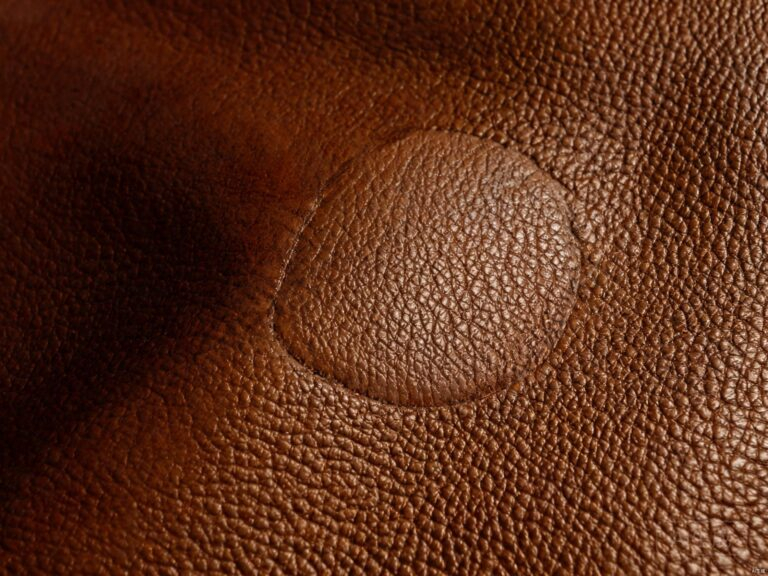
Swatch bench reality: a lychee-grain surface must survive bending, alcohol wipes, and cold flex before it earns the label.
Results After 18 Months: The Sil Leather Line in Numbers
The relaunch shipped the following spring with a verified full-silicone line across all twelve colorways. Eighteen months later, the numbers hold.
The bending test a sil leather spec should survive before it reaches your showroom floor.
| Check | PU Roll Sold as Sil Leather | Verified Silicone Line |
|---|---|---|
| FTIR surface scan | Carbonyl peaks typical of PU | PDMS peaks only |
| Hydrolysis report | Not provided | 14 weeks at 85°C/85% RH, no delamination |
| Service life in humid showrooms | 1-5 years | 10-15 years |
| Alcohol disinfection | Whitening at seams | Level 5 stain resistance |
Showroom crews now clean with alcohol wipes after every service day, and the surfaces have kept their color and hand feel. The brand turned the ten-year surface promise into campaign copy, because this time the spec sheet supports it.
Our QC team samples every batch for Delta E color drift, and nothing above 1.0 has shipped to this program since the relaunch. That single number has done more for the relationship than any brochure.

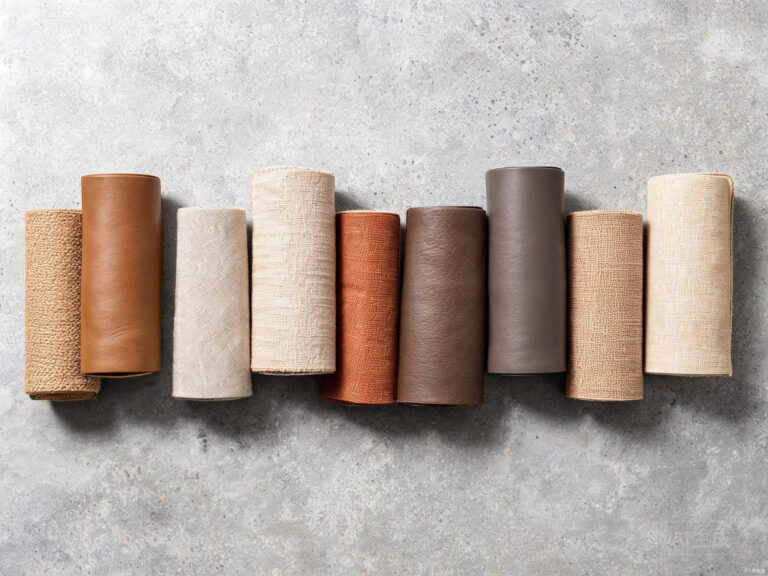
Verified rolls staged for shipment, with test files that match the label.
Is sil leather the same as silicone leather?
Not always. Sil is an industry shorthand borrowed from silicone, but the label also appears on PU rolls with a silicone-soft topcoat and even on trading company names. Only an FTIR scan, or an equivalent chemistry file, confirms what the roll actually is.
How do I verify a silicone leather claim before ordering?
Ask for three things with the quote: an FTIR spectrum showing PDMS peaks only, a hydrolysis report at 85°C and 85% RH across fourteen weeks, and a swatch you can bend, wipe, and freeze. Suppliers with real silicone lines send these files the same week.
Your Sil Leather Checklist Before the Next Line
Run this list before your next furniture or contract program signs.
- Write the chemistry, not the nickname: full silicone, no ester bonds, solvent-free process.
- Demand the FTIR spectrum with the quote, not after the claim.
- Require a hydrolysis file: 85°C, 85% RH, fourteen weeks, zero delamination.
- Bend, wipe, and freeze a swatch before you sign; feel is the cheapest test you own.
- Keep the label honest in marketing copy, because your showroom staff will defend it daily.
Sil leather can anchor a genuinely premium story when the roll matches the word. The brands that keep that promise are the ones that test the label before the launch, and the checklist above is where that test starts.
Talk to Our Brand Materials Team
About TOPSUN
TOPSUN supplies full-silicone leather for furniture, automotive, and contract brands that need material claims their marketing teams can defend.
FTIR-verified chemistry, 85°C/85% RH hydrolysis files, Pantone and RAL color matching, and 500,000 m of monthly capacity back every sil leather program we ship.
References
1. https://wandaoleather.com/blog/what-is-silicone… — PU cracks within 96-200 hours at 70°C in ASTM D2097-style hydrolysis testing (2026)
2. https://www.sileather.com/post/sileather-sustai… — PU hydrolysis vs PVC plasticizer migration; solvent-free silicone production without plasticizers (2021)
3. https://www.alchempro.com/news/raw-materials/ta… — Compo-SiL: silicone rubber’s chemical inertness and the micrometre PU interface layer used for adhesion (2021)