A fast-casual burger chain with 120 locations faced a problem. Their vinyl booth seating cracked before the first franchise audit. Maintenance crews replaced covers every eighteen months. Cleaning took forty-five minutes per booth. Customers posted photos of torn seams online. The procurement team needed a material that could survive sixteen-hour days, daily sanitizing, and grease exposure without driving up lifecycle costs.
This case study tracks their switch to silicone leather. The data comes from actual work orders, cleaning logs, and customer satisfaction scores across a twelve-month pilot. The results changed how they specify seating for every new location.
Request Restaurant Furniture Samples
The Problem: Vinyl Booths That Crack Within 18 Months
The chain used standard PVC vinyl on padded booth seating. It looked fine at installation. Within six months, hairline cracks appeared at stress points. By month twelve, the surface lost gloss and showed permanent creasing. At month eighteen, the franchisee filed a replacement request. The cycle repeated.
The root cause was thermal and chemical stress. Kitchen heat raised wall temperatures behind booths. Sanitizing chemicals attacked the plasticizer layer. Grease particles settled into surface pores. The PVC became brittle. It cracked under normal body weight shift. Repair was impossible. Replacement was the only option.
Cost analysis revealed the hidden impact. Each booth cover replacement ran $180 in material and labor. With twelve booths per location, that was $2,160 every eighteen months. Add cleaning labor at forty-five minutes daily. Add customer complaint handling. The procurement manager realized the initial material savings were erased by operational drag.

Fire retardant testing ensures booth seating meets commercial kitchen proximity safety standards.
The Switch: Why Restaurant Silicone Leather Won the Bid
The procurement team issued an RFP to five suppliers. Requirements were specific. The material had to withstand commercial disinfectant contact twice daily. It needed grease resistance without staining. It had to pass CAL 117 flame standards for public seating. And it needed a lifecycle cost below the PVC baseline over five years.
Three PU samples failed the chemical resistance test. Surface swelling appeared after seventy-two hours in disinfectant solution. One vinyl alternative passed chemistry but showed poor abrasion at 50,000 cycles. Only the silicone leather sample hit every target. See our detailed restaurant booth upholstery guide for material selection criteria.
TOPSUN supplied the pilot material. We matched the existing chocolate brown color within ΔE<0.8. We added a subtle crosshatch embossing to mask wear patterns. The FDA 21 CFR 175.300 certification satisfied the food-contact safety officer. Lead time was seven days. The first location reupholstered five booths as the test group.

Water and grease bead on the silicone surface, reducing stain absorption and daily cleaning time.
12-Month Results: Cleaning Time, Replacement Cycles, and Customer Feedback
The operations manager tracked three metrics. Cleaning time per booth. Replacement frequency. And customer comment sentiment. The data at month twelve told a clear story. Silicone leather outperformed vinyl on every operational metric.
| Operational Metric | Silicone Leather | PVC Vinyl (Previous) |
|---|---|---|
| Daily Cleaning Time per Booth | 18 minutes | 45 minutes |
| Replacement Cycle | Projected 10+ years | 18 months |
| Stain Incidents (Monthly Average) | 0.3 | 4.7 |
| Customer Complaints (Seating Related) | 1 | 12 |
| Disinfectant Resistance (500 Cycles) | No Change | Surface Hardening |
| 5-Year Lifecycle Cost per Booth | $210 | $720 |
Cleaning time dropped by sixty percent. The silicone surface does not absorb grease. Disinfectant wipes glide across without drag. Staff no longer scrub embedded stains. They wipe and move on. That time saving translated to labor cost reduction of $1,400 per location annually.
Replacement cycles extended dramatically. At month twelve, the silicone leather booths showed no cracking, no gloss loss, and no color shift. The operations manager projected a ten-year service life based on wear rate. That eliminates four replacement cycles over the same period.
Customer complaints dropped from twelve per month to one. The single complaint was about table spacing, not seating condition. Online review sentiment improved. Franchisees reported that booths looked “new” at the one-year mark. That perception drives repeat visits in the fast-casual segment.
Watch how commercial kitchen staff cut daily booth cleaning time by 60% after switching to silicone leather.
Scaling Restaurant Silicone Leather: From 5 Locations to 50
The pilot succeeded. The procurement director approved a rollout to five additional locations. Each followed the same installation protocol. Each reported identical performance. By month nine, the chain had converted fifty locations. The remaining seventy followed in the next fiscal year.
Scaling required supply chain reliability. TOPSUN shipped full rolls within seven days. Our silicone leather furniture production lines run ten automated coating lines. Monthly capacity exceeds 500,000 meters. The chain never faced a stockout during the rollout phase. That reliability mattered to a procurement team managing simultaneous renovations across multiple states.
Standardization also simplified inventory. The chain specified one base color and two accent tones. TOPSUN held buffer stock in our Dongguan facility. Reorders shipped by sea for scheduled renovations and by air for emergency replacements. The procurement manager now includes silicone leather in the standard build-out package for every new franchise.

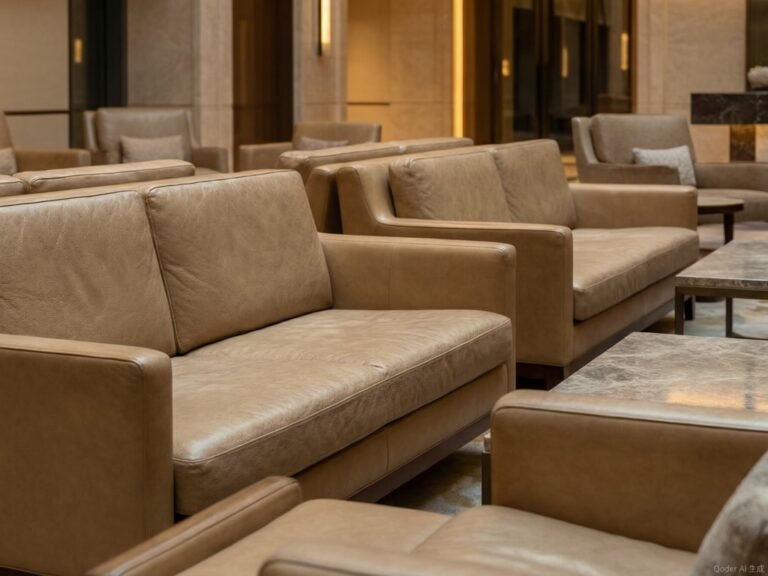
Fifty locations now feature silicone leather booth seating that withstands daily sanitizing and heavy customer traffic.
Conclusion: What This Means for Your Restaurant Furniture Budget
This case study proves a simple point. Material selection drives operational cost more than purchase price. Vinyl booth covers saved $40 per meter at installation. They cost $510 more per booth over five years in labor, replacement, and complaint management.
Silicone leather inverts that equation. Higher initial material cost. Dramatically lower lifecycle cost. The chain recouped the material premium within fourteen months through labor savings alone. Every month after that is net positive.
The restaurant industry tracks equipment lifecycle closely. Industry publications like Nation’s Restaurant News regularly cover total cost of ownership for kitchen equipment. Seating deserves the same analysis. It is equipment. It just happens to be upholstered.
For procurement teams evaluating seating materials, the data is clear. Silicone leather survives the disinfectant cycles. It resists grease staining. It cleans in half the time. And it eliminates the eighteen-month replacement trap. That is not a material upgrade. It is a budget correction.
Get a Commercial Furniture Quote
About TOPSUN
TOPSUN partners with restaurant chains and commercial furniture suppliers to deliver silicone leather that withstands daily sanitizing cycles, grease exposure, and 16-hour operational wear. Our food-contact-safe formulations carry FDA 21 CFR 175.300 certification, support custom embossing for brand identity, and ship with 7-day lead times for refurbishment projects.
Frequently Asked Questions
How does silicone leather handle daily disinfectant contact?
Our restaurant-grade silicone leather is tested against quaternary ammonium compounds, bleach solutions, and alcohol-based sanitizers. After 500 wipe cycles, surface properties remain unchanged. There is no cracking, no discoloration, and no hardening. The material is designed for commercial hygiene protocols.
Can silicone leather resist grease and oil stains?
Yes. The silicone polymer structure is non-porous and hydrophobic. Grease and oil bead on the surface rather than soaking in. Wiping with a damp cloth removes most food spills. For dried residue, a mild detergent solution restores the surface without damage.
What is the typical payback period for restaurant seating?
Based on this case study, the material premium was recovered in fourteen months through cleaning labor savings alone. When replacement cycle avoidance is included, the payback period shortens to ten months. The five-year savings per location exceeded $15,000.
Is custom embossing available for brand identity?
Absolutely. We produce custom textures and embossed patterns for chain identity programs. Our color customization and texture design team works with franchise brand guidelines. Samples typically ship within five business days.