Why does the same printed leather pattern look brand new on one product and half gone on another after a single season? The answer rarely lies in the ink itself. It lies in which layer of the material the pattern actually lives in, and whether that layer was engineered for abrasion or just for looks. This guide breaks down how printed leather is made, where prints fail, and the six specs worth checking before you commit to a supplier.
Printed Leather 101: What the Print Actually Sits On
Printed leather is any leather or synthetic leather carrying colors, graphics, or repeating designs applied through a printing process. Industrial producers rely on roller, gravure, screen, transfer, or digital methods, depending on the material and the design. That definition sounds simple. The procurement risk hides in one detail: printing changes the surface’s appearance, not its structure.
How is printed leather made in practice? The base material is cleaned and prepped so the ink bonds evenly. The artwork is then applied by screen, roller, or digital print heads, and the surface is cured or sealed. On genuine hides and PU coatings alike, the pattern ends up as a thin film sitting on top.

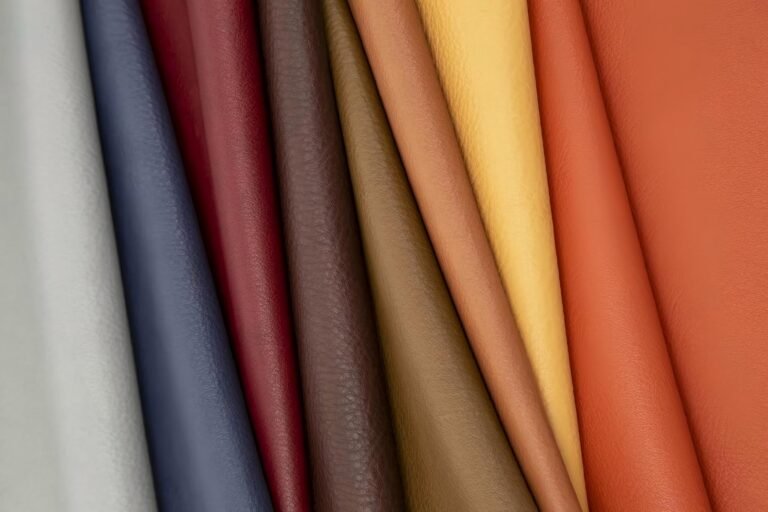
A custom printed leather sample: the artwork you approve is only as durable as the layer that carries it.
Surface Printing vs Transfer Printing: Where the Pattern Lives
Most buyers compare patterns by looks. Engineers compare them by location. A surface print sits on top of the coating, exactly where friction, flexing, and cleaning act first. Independent sourcing guides flag this weakness directly: printed and transfer films rate only moderate on durability, and the surface pattern may wear off with friction.
| Attribute | Surface-Printed Leather | Transfer-Printed Silicone Leather |
|---|---|---|
| Pattern location | Ink film on top of the coating | Cast inside the coating during curing |
| Abrasion exposure | Pattern meets wear first | Coating shields the print |
| Typical failure mode | Fading and flaking at fold lines | Base material wears out before the pattern |
| Best suited for | Low-friction goods, short-cycle fashion | Bags, furniture, automotive, high-touch products |
Transfer printing works differently. The pattern is first cast onto release paper, then bonded into the coating itself as the material cures. The design becomes part of the layer rather than a decoration on it. You can see how our release-paper coating line builds this structure at production scale.
6 Specs to Verify Before You Order Printed Leather
Ask for these six items in writing. Each one targets a known failure point of printed leather durability, from rubbing and flexing to hospital-grade cleaning.
- Pattern location. Confirm whether the design is surface-printed or cast into the coating through transfer or release paper.
- Color fastness grade. Grade 4-5 under ISO 105 means the print survives rubbing and cleaning. Anything lower fades at contact points first.
- Abrasion rating. Martindale cycles show how the printed surface handles wear. Contract-grade seating expects 100,000+ cycles.
- Flex endurance. Patterns crack at fold lines before anywhere else. A low-temperature bending test exposes weak ink films fast.
- Cleaning compatibility. Alcohol-safe surfaces let staff disinfect daily without dissolving the print.
- Batch color consistency. Request a spectrophotometer Delta E report so every reorder matches your approved sample.
In our lab, transfer-printed silicone leather holds Grade 4-5 color fastness through 200,000+ Martindale cycles on the High Performance grade. We have also received competitor samples where a logo print flaked off at the fold within weeks of use. The difference always comes back to layer location.

Release film on the coater: the pattern is cast here first, then bonded into the coating as the sheet cures.
Custom Printed Leather: MOQ, Sampling, and Lead Times
Custom printed leather follows a short sequence: artwork review, sample roll, approval, bulk run. At TOPSUN, custom orders start at 500 meters, samples ship in 7-15 days, and monthly capacity of 500,000 meters keeps reorders on schedule. Buyers running repeat programs in 30+ countries work on exactly this cycle. For bag programs, we typically pair custom prints with silicone microfiber leather for extra structure and a softer hand.
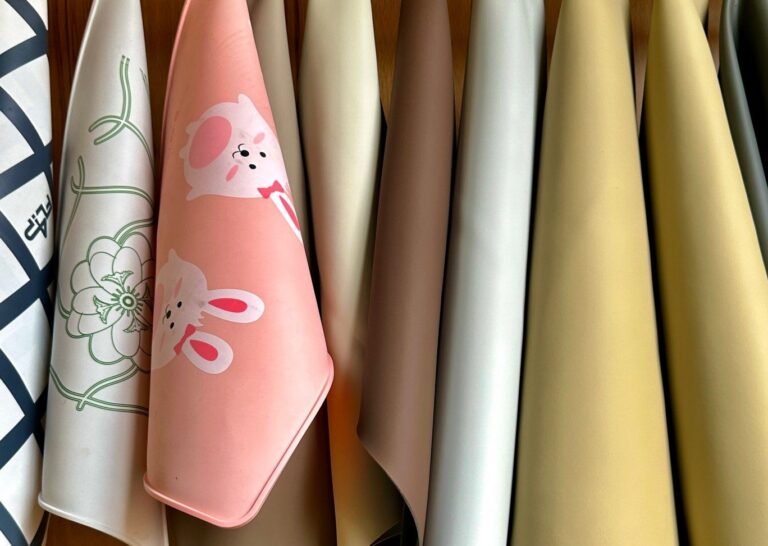
Watch how custom printing turns brand artwork into production-ready leather panels.
The same printed sheets carry well beyond bags. Design teams also specify them for fashion and sports accessories, where bold graphics meet daily abrasion and sweat.

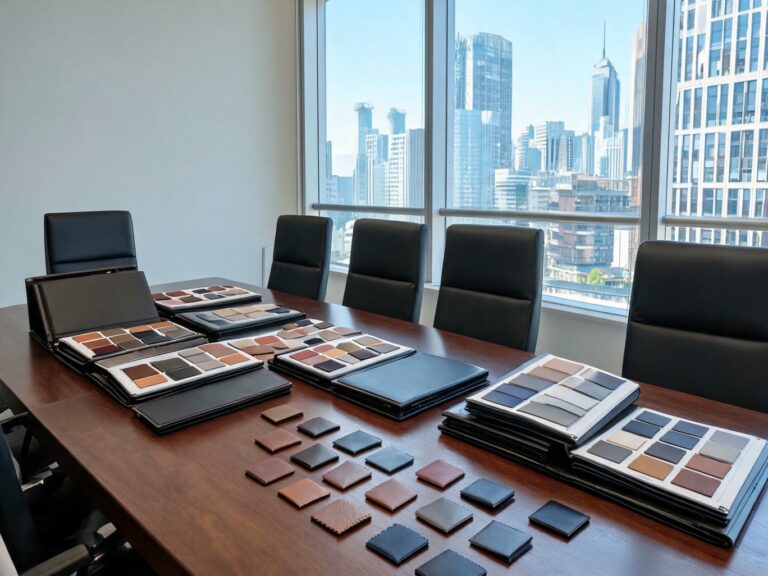
Approved custom samples: artwork, texture, and color are verified together before any bulk run starts.
Does printed leather wear off?
Surface-printed leather can, because the pattern is a thin ink film exposed to friction. Transfer-printed patterns embedded inside the coating resist abrasion far longer. Ask your supplier which structure they use, and ask for the abrasion data to prove it.
Can you print custom logos and patterns on silicone leather?
Yes. Release-paper transfer reproduces logos, gradients, and repeating patterns inside the coating, with Pantone and RAL color matching. Custom runs start at 500 meters, and swatches are checked against your artwork before bulk production begins.
Printed Leather That Survives Real Wear: Next Steps
Good printed leather is an engineering choice, not a decoration decision. Before you sign with any supplier, run this checklist:
- Confirm where the pattern lives: surface film or embedded coating.
- Demand color fastness and Martindale data for the printed surface, not just the base material.
- Flex the sample 90 degrees at a fold line and inspect the print at the crease.
- Compare cost over the product’s lifetime, not price per meter.
- Book a sample run before committing to bulk volume.
Printed leather fails quietly and costs loudly. Vet the pattern the same way you vet the material, and your designs will still look intentional years after launch.
Request Printed Leather Samples
About TOPSUN
TOPSUN engineers transfer-printed silicone leather for bag, furniture, and fashion brands that need patterns to outlive the product itself.
In-house release-paper texturing, Pantone/RAL color matching, 500 m MOQ custom runs, and Grade 4-5 color fastness verified on every order.
References
- 1. https://jinzhihangmachinery.com/printed-leather… — printed leather definition and industrial printing methods (2026)
- 2. https://chinahandbagfactory.com/embossed-leathe… — durability comparison: surface pattern may wear off with friction (2026)
- 3. https://rockuniquoters.com/blog-details/printed… — printed vs embossed leather distinction (2026)