One thousand meters and one yard. Those two minimum orders sit on the same search page for printed leather sheets. The gap between them is the first thing every custom project has to survive. Roll-to-roll printed lines want volume. UV digital print shops will run a single yard. Both numbers are real, and choosing wrong costs either your budget or your pattern. This guide walks through one boutique order that taught me the rules. Then it hands you a decision path for your own sheet order.
Two MOQs, Two Technologies
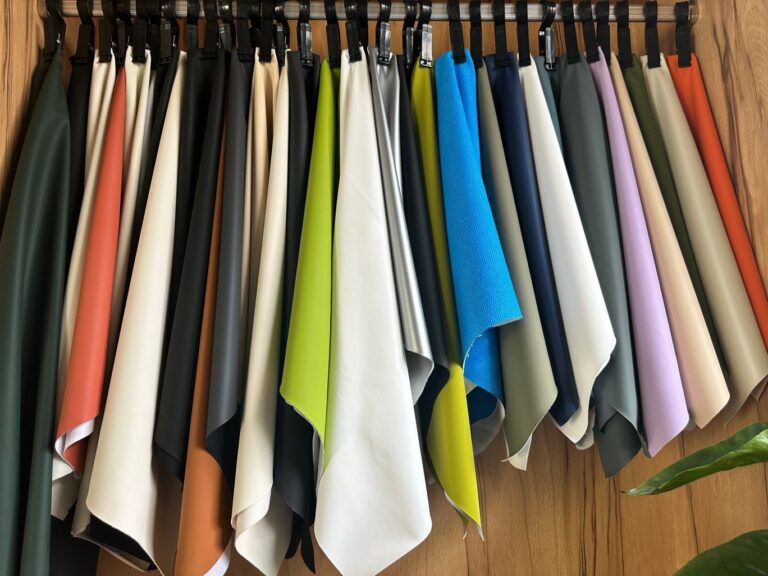
The two price points on that search page come from two different machines. Release-paper and roller lines print or emboss a pattern across a full production run. They price from hundreds of meters upward. UV digital printing atomizes flexible ink straight onto the sheet and cures it in a second. That speed is why some shops accept a one-yard minimum. A marketplace scan shows the spread plainly. Custom roll print starts at 500 to 1,000 meters. Digital print runs from a single yard. Neither is a trick. They are simply different tools with different jobs.

The Boutique Order That Set My Rules
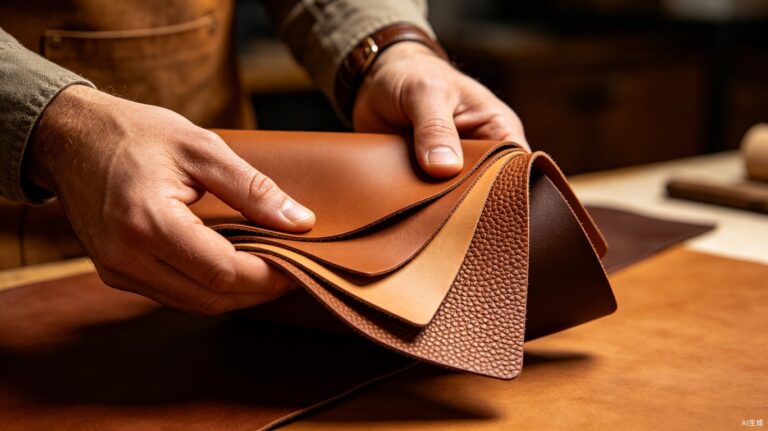
A stationery brand ordered 300 meters of a botanical print on 1.0 millimeter sheets. The proofs were perfect. Nine months later, the corner samples had faded to a ghost of the artwork while the centers held. The pattern had been printed on the surface only, and edge wear plus sunlight did the rest. We re-ran the program with the pattern embossed into the grain instead of sitting on top of it. Same artwork, different depth, and the second run is still selling three years later.

Printed Versus Embossed: Where the Pattern Lives
A printed pattern is ink. Properly cured UV ink forms a micro-thin film of roughly 8 to 15 microns. That thickness preserves the sheet’s feel and flexibility. An embossed pattern is geometry, pressed into the material itself. The design then wears at the same rate as the sheet. Technical notes warn that over-curing UV ink above 600 mJ/cm2 can cut burst strength by up to 18 percent. Printer discipline matters as much as artwork. My rule is simple. Surface print suits graphics on protected faces. Emboss anything that meets edges, straps, or hands all day.
MOQ and Cost Math for Custom Sheets
Budget the setup, not just the meter price. A roller line amortizes its cylinder across the run. A 1,000-meter order carries a modest setup share. A 300-meter order carries four times as much per meter. Digital print flips the math: negligible setup, higher cost per yard, and no cylinder to store. Add one more line item that buyers forget. Color matching needs a signed strike-off before bulk. The silicone versus PU comparison page explains which base chemistry holds that color longest under UV.

Bring the artwork, leave with a costing sheet. Request Printed Sheet Proofs and a Strike-Off
A Decision Path for Your Next Pattern Order
Work down the list and stop at the first line that fits your project.
- Prototype or capsule under 100 meters: UV digital print, one yard upward, no cylinder cost.
- Core product over 500 meters: roller emboss, where the pattern wears with the sheet.
- Pieces that flex or take edge wear: emboss into the grain, never print on top.
- Long-life programs: start from the silicone microfiber leather product specs, then add the print layer.
Furniture and bag programs follow slightly different wear maps. The furniture and sofa application guide breaks them down room by room. Design your pattern for its service life first, then let the MOQ pick the machine. If you want a second opinion on that choice, Send Your Artwork for a Print-Method Review
TOPSUN offers more than 100 textures and full Pantone and RAL color matching on silicone-coated sheets. Custom patterns run at 500,000 meters of monthly capacity. SGS batch reports attach to every strike-off.