Why does one vegan leather panel survive five years of daily use? And why does another, sold under the same label, crack inside eighteen months? The difference is rarely the marketing category. It is the formulation, the backing, and the cure quality. Every one of those variables shows up in laboratory numbers.
The conclusion is simple: quality vegan leather is a test result, not a product name. This article walks through the six numbers that separate a spec sheet from a sales claim, then shows how to verify each one before your order ships.
| Material | Tensile Strength | Typical Lifespan | First Weak Point |
|---|---|---|---|
| Full-grain calfskin | 18-25 MPa | 10-20 years | Cost and sourcing ethics |
| Premium PU vegan | 12-16 MPa | 2-7 years | Hydrolysis in humid heat |
| Mushroom-based (Mylo) | 9-11 MPa | Approaching 8-10 years (new) | Tensile strength ceiling |
| Microfiber synthetic | High for its class | 5-8 years | Edge wear at seams |
| Silicone-coated | 15+ N/mm | 10-15 years | None observed in 14-week hydrolysis testing |
What Quality Vegan Leather Means in Numbers
Tensile strength is the first number to check. A data-driven comparison of automotive interior materials makes the spread clear. Full-grain leather tests at 18-25 MPa. Premium PU vegan leather reaches 12-16 MPa, and mushroom-based Mylo sits at 9-11 MPa under the ASTM D3787 method. The gap tells you how much load a panel carries before it tears. It also explains why thin plant-based sheets need structural backing in high-stress applications.

Tensile testing in our laboratory: strength numbers come from machines like this one, never from sample cards.
A peer-reviewed study published in MDPI Coatings in October 2026 compared commercial vegan leather alternatives against calfskin. The researchers cut specimens in both directions per the EN 12751 protocol, then ran mechanical tests on every panel. The takeaway for buyers is direct. Performance varies more between formulations of the same category than between categories themselves. That is exactly why test reports matter more than material names.
The Tests That Define Quality Vegan Leather
Beyond tensile strength, four more numbers complete the picture. Abrasion resistance, measured by Martindale (ISO 12947) or Wyzenbeek (ASTM D4157), predicts surface wear. Flex endurance predicts cracking at fold points. Color stability, graded on a 1-5 scale, predicts how the panel survives sunlight and cleaning. Hydrolysis resistance, tested in climate chambers, predicts failure in humid climates.
Our own threshold is straightforward. High Performance grade samples must clear 200,000 Martindale cycles and hold color fastness at grade 4-5. They must also show no delamination after 14 weeks at 85°C and 85% relative humidity. Any supplier can quote a premium price. Few can attach a chamber report to it. That attachment is the real dividing line for quality vegan leather.
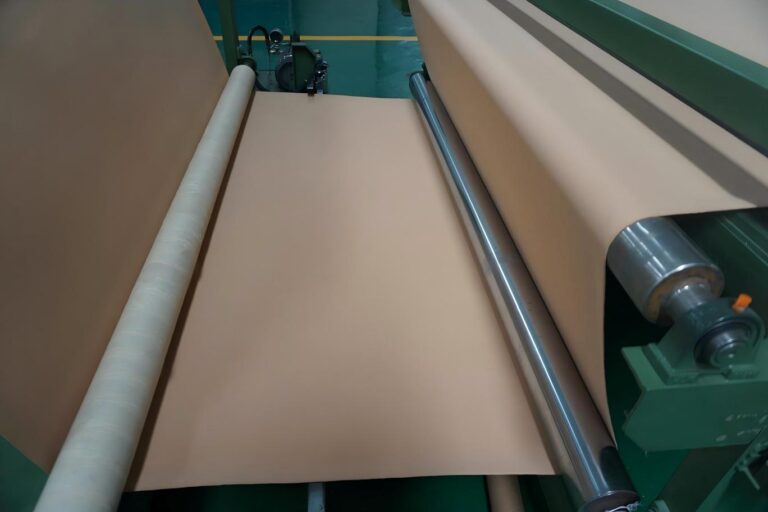
Performance testing on production samples: every batch ships with reports, not promises.
Lifespan claims deserve the same scrutiny. An automotive materials database rates real leather at 10-20 years with care. High-end vegan options serve 2-7 years, and the newest bio-based alternatives reach 8-10 years under moderate use. Those ranges describe averages across formulations. Your panel can sit at the top or the bottom of its range depending on the numbers above.

Durability shows up where the material works, not where the brochure was printed.
How to Verify a Supplier’s Quality Claims
Verification takes one email and one sample. Ask the supplier for third-party reports covering the six numbers, with the testing laboratory named. SGS, BV, and TÜV reports carry weight with retail customers in Europe and North America; in-house summaries do not. Then request a physical sample and run the two field checks that any buyer can perform without a laboratory.

Color fastness verification: a grade 4-5 rating keeps panels matching across batches and after cleaning.
First, the pinch test. Pinch the sample between thumb and forefinger and twist gently. A well-bonded material shows fine, tight creases that relax back. A plastic-heavy one shows broad white stress marks. Second, the edge test. Look at the cut edge, not the surface. A quality construction reveals a fabric or knit backing bonded tightly to the coating. A homogeneous plastic edge signals a sheet that will delaminate under stress.
Documentation completes the verification. REACH and PAHs compliance covers EU entry. ISO 10993 biocompatibility matters for products with skin contact. Non-detect VOC results under ISO 16000-6 protect indoor air quality claims. Our eco-friendly silicone leather page lists the certificates we ship with every order, and our silicone microfiber line pairs that documentation with a premium hand-feel for fashion programs.
Buyers comparing chemistries for the first time often find the background helpful. Our silicone leather introduction explains why a sand-derived polymer avoids the plasticizer problems that limit PU, in plain language and with the test data to back it up.
TOPSUN engineers silicone-coated materials that pass the tests this article describes, from 200,000-cycle Martindale runs to 14-week hydrolysis chambers, and every shipment leaves with SGS documentation. Our production team serves OEM programs in more than 30 countries. Custom colors and textures run from 500,000 meters of monthly capacity.
Match the Grade to the Program
The verdict table below turns the six numbers into a sourcing decision. Find your program’s dominant need, then read across to the chemistry that carries it.

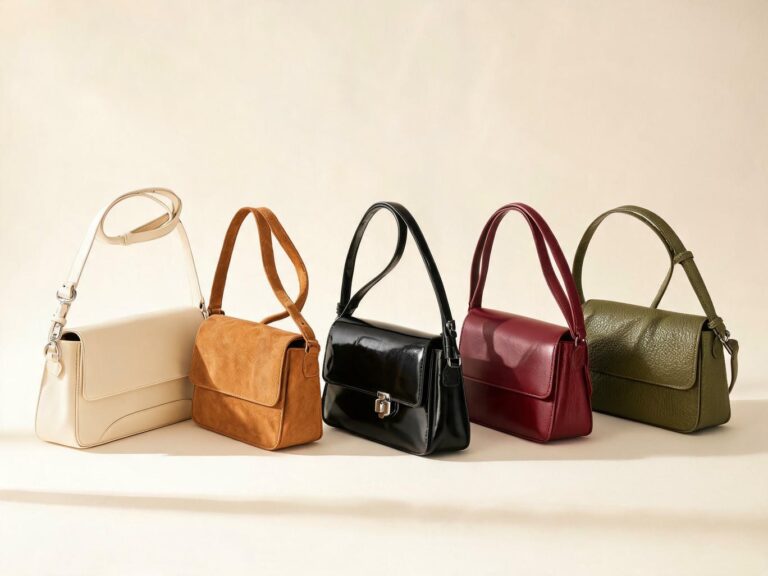
Grade options on the rack: every color and texture is available with the same test documentation.
| If Your Program Needs | Specify | Because |
|---|---|---|
| Maximum strength per dollar | Premium PU | 12-16 MPa at the lowest cost, accept 2-7 year life |
| Humid-climate durability | Silicone-coated | No hydrolysis failure in 14-week chamber testing |
| Premium hand-feel with strength | Microfiber synthetic | Fiber structure supports seams and edge wear |
| Strong sustainability story | Silicone or verified plant-based | Documentation exists for both claims |
Quality vegan leather rewards buyers who read reports the way they read invoices. Every line carries a date and a laboratory name. The material that survives its chamber test will survive your customer. The one that cannot was never premium at any price.
Frequently Asked Questions
Is vegan leather less durable than real leather?
On average, yes: real leather lasts 10-20 years with care while most vegan panels serve 2-7. But formulation matters more than category. Silicone-coated and the newest bio-based materials now reach 8-15 years, which closes most of the gap in real programs.
What test data should a buyer request first?
Start with three. Tensile strength under ASTM D3787, abrasion cycles under Martindale ISO 12947, and a hydrolysis chamber report with temperature, humidity, and duration stated. If a supplier hesitates on any of the three, the price quote was hiding something.
References
- Coatings (MDPI), “Comparative Evaluation of the Physical and Mechanical Properties of Commercial Vegan Leather Alternatives and Calfskin”, October 2026. https://www.mdpi.com/2079-6412/16/11/1273
- Alibaba Auto Interior, “Leather vs Vegan Leather Durability: Data-Driven Comparison”, March 2026: tensile benchmarks and lifespan ranges. https://carinterior.alibaba.com/tips/leather-vs…