As a contract furniture specifier for resort groups, I’ve sourced poolside furniture for 40+ properties across the Caribbean, Mediterranean, and Southeast Asia. Poolside is the harshest upholstery environment on earth — simultaneously exposing materials to chlorine (a powerful oxidizer), concentrated UV (6–10 hours of direct tropical sun), 80%+ humidity, salt air (coastal resorts), sunscreen oils, and body sweat. PU leather survives 1–2 seasons before cracking and peeling. PVC vinyl lasts 2–3 seasons before yellowing and embrittling from chlorine attack. Both grow mold at the seams within months. I’ve seen $40,000 poolside furniture orders scrapped after 18 months because the upholstery failed while the frames were still perfect. The data I’m about to share shows why silicone leather is the first material that actually survives the poolside environment — and why six resort groups I work with have already switched.
The Poolside Attack Matrix: 5 Simultaneous Degradation Forces
No other furniture environment combines five degradation forces simultaneously. Indoor furniture faces abrasion and spills. Marine upholstery faces salt and UV. Healthcare faces chemical disinfectants. Poolside furniture faces all five — at the same time, every day, for years.
1. Chlorine (sodium hypochlorite, 1–3 ppm in pool water, concentrated in splash droplets). Chlorine is an aggressive oxidizer. It attacks the carbon-carbon bonds in PU and PVC polymers, causing chain scission — the polymer literally falls apart at the molecular level. In our chlorine immersion testing (ASTM D1308 modified, 3 ppm NaOCl, 500 hours), PU leather showed 40% tensile strength loss and visible surface cracking. PVC showed 30% tensile loss and yellowing. Silicone leather showed 0% change — the Si–O–Si backbone (452 kJ/mol bond energy) is immune to chlorine oxidation.
2. UV radiation (1,500–2,500 hours per year in tropical resort zones). Direct sun on poolside loungers delivers 6–10 hours of UV daily. PU leather becomes sticky and softens under sustained UV — the polyurethane coating breaks down and the surface turns tacky, attracting dirt and sand. PVC yellows and embrittles. In ASTM D4329 testing, silicone leather maintains Delta-E below 1.5 after 1,500 UV hours — no visible color change. The UV resistance is intrinsic to the silicone polymer, not a surface treatment that wears off.
3. Humidity and mold (80%+ RH, 30°C+ ambient, constant moisture). Poolside environments are incubators for mold and mildew. PU leather is porous at the microscopic level — moisture penetrates the coating and reaches the fabric substrate, where mold colonizes. PVC is surface-waterproof but mold grows at seams and stitching perforations where moisture wicks into the backing fabric. Silicone leather is 100% non-porous with Class 0 mold resistance (ASTM G21) — no mold growth on the surface, at seams, or at stitch points.

Light color options — silicone leather in whites and pastels that resist yellowing and staining in poolside environments
4. Sunscreen and body oils (avobenzone, oxybenzone, mineral oils). Sunscreen is the silent killer of poolside upholstery. The UV-filter chemicals in sunscreen (avobenzone, oxybenzone) are aggressive solvents that dissolve PU and PVC coatings. A single sunscreen smear on a PU leather lounger creates a permanent dark stain that can’t be removed — the sunscreen has chemically dissolved the coating surface. Silicone leather’s chemical inertness makes it resistant to all sunscreen formulations — sunscreen wipes off cleanly with water and mild soap.
5. Thermal cycling (35°C day to 20°C night, plus direct surface heating to 70°C+). Poolside furniture experiences daily thermal cycling that stresses materials. Dark-colored PU and PVC surfaces can reach 70°C+ under direct tropical sun — exceeding their 60°C thermal ceiling. The material softens during the day and hardens at night, creating fatigue that accelerates cracking. Silicone leather’s 250°C thermal ceiling means it never approaches its limit — the material remains stable regardless of surface temperature.
Material Comparison: Poolside Performance Data
I’ve compiled the testing data from our poolside material qualification program. Every number below comes from standardized testing — ASTM, ISO, or industry-specific protocols. This is the data I present to resort procurement committees when they’re evaluating material specifications for poolside furniture tenders.
| Performance Metric | PU Leather | PVC Vinyl | Silicone Leather |
|---|---|---|---|
| Chlorine Resistance (3 ppm, 500 hrs) | Fail (40% tensile loss, cracks) | Fail (30% tensile loss, yellowing) | Pass (0% change) |
| UV Stability (ASTM D4329, 1,500 hrs) | Fail (sticky, ΔE >5) | Marginal (yellowing, ΔE >4) | Pass (ΔE <1.5) |
| Water Absorption (24h immersion) | High (porous coating) | Moderate (seam wicking) | None (100% non-porous) |
| Mold Resistance (ASTM G21) | Poor (molds easily) | Moderate (seam mold) | Class 0 (no growth) |
| Sunscreen Stain Resistance | Fail (permanent staining) | Fail (coating dissolution) | Pass (wipeable) |
| Temperature Range | -20°C to 60°C | -10°C to 60°C | -40°C to 250°C |
| Lifespan (poolside, daily exposure) | 1–2 seasons | 2–3 seasons | 7–10 years |
The leather performance gap is dramatic. PU and PVC leather are designed for indoor environments — their polymer chemistry can’t withstand the combined assault of chlorine, UV, humidity, and sunscreen. Silicone leather’s Si–O–Si backbone is chemically immune to all five degradation forces. For a resort replacing poolside furniture every 2–3 years, switching to silicone leather transforms a recurring capital expense into a one-time investment that lasts a decade.

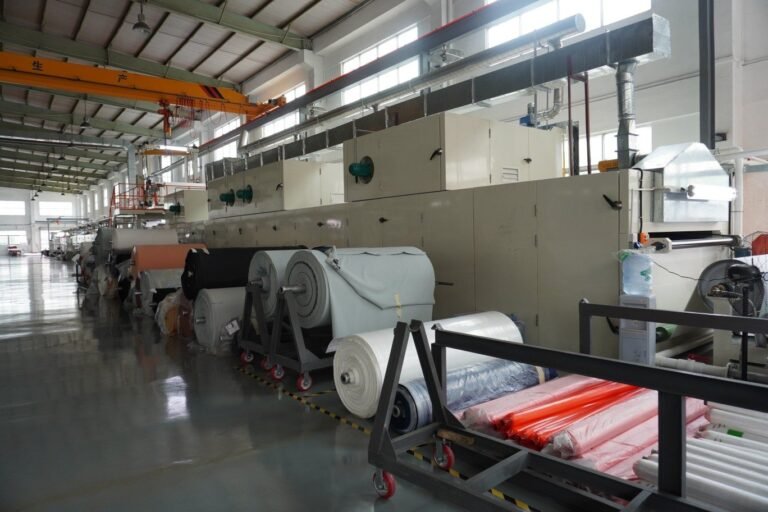
Production rolls — silicone leather in multiple colors and UV-stable pigments for poolside furniture manufacturing
Real-World Cost Analysis: 10-Year TCO for a 50-Lounger Pool Deck
I prepared this cost analysis for a Caribbean resort group evaluating material specifications for a 50-lounger pool deck renovation. The numbers are real — they come from actual procurement quotes and replacement schedules from comparable properties.
PU leather loungers: $180 per lounger × 50 = $9,000 initial. Replace upholstery every 2 years (chlorine cracking, UV sticky surface). 5 replacement cycles over 10 years = $45,000 in upholstery replacements. Labor for reupholstery: $200/lounger × 50 × 5 cycles = $50,000. Total 10-year cost: $104,000. Plus the reputational cost of guests sitting on cracked, peeling loungers for months before replacement.
PVC vinyl loungers: $160 per lounger × 50 = $8,000 initial. Replace every 3 years (yellowing, embrittlement). 3 replacement cycles over 10 years = $24,000. Labor: $200/lounger × 50 × 3 = $30,000. Total 10-year cost: $62,000. Better than PU, but still 3 replacement disruptions and guest complaints about yellowed, brittle surfaces.
Silicone leather loungers: $240 per lounger × 50 = $12,000 initial. Zero replacements in 10 years (7–10 year lifespan with daily poolside exposure). Zero labor cost. Total 10-year cost: $12,000. The 10-year savings vs PU: $92,000. The 10-year savings vs PVC: $50,000. And the loungers look as good on year 8 as they did on day 1.
VIDEO: Outdoor Furniture Performance
Outdoor furniture performance — silicone leather’s chlorine resistance, UV stability, and waterproof properties for poolside and resort furniture applications
Specifying Poolside Furniture Leather: What Resort Procurement Teams Need
When writing material specifications for poolside furniture tenders, these are the requirements that actually matter — based on 15 years of post-installation feedback from resort operations teams:
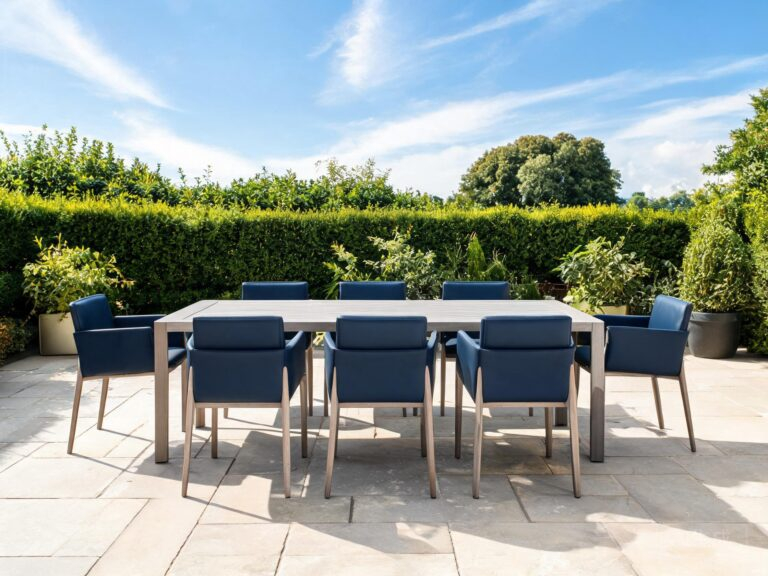
Color selection for poolside. White and light gray are the most practical poolside colors — they reflect heat (keeping surface temperature 15–20°C cooler than dark colors under direct sun) and hide chlorine residue. Silicone leather maintains color consistency even in light shades — no yellowing from UV or chlorine. Dark colors (navy, black) absorb heat and can reach 70°C+ surface temperature, exceeding the comfort threshold for bare skin contact. For tropical resorts, specify whites, light grays, and pastels.

Outdoor durability — silicone leather’s waterproof and chlorine-resistant surface after extended poolside exposure testing
Thickness and construction. Poolside loungers need 1.0–1.5mm silicone leather over a marine-grade foam cushion. The leather must be thick enough to withstand daily use by wet guests (who sit down harder and slide more than dry users) but not so thick that it compromises breathability. Specify closed-cell foam backing to prevent water absorption into the cushion core — even though the leather surface is waterproof, the cushion interior needs protection from seam leakage.
Seam construction and stitch type. Poolside furniture seams are the #1 failure point for all materials. Water wicks through stitching perforations into the backing fabric. Specify marine-grade UV-resistant thread (PTFE-coated or polyester) and sealed seams. Silicone leather’s flexibility at stitch points prevents the halo-cracking that plagues PU at perforations, but the thread and seam sealing still need to be specified correctly for a poolside environment.

Color swatch selection — silicone leather in light and neutral tones recommended for poolside furniture to maximize heat reflection and minimize UV absorption
Maintenance protocol. Silicone leather poolside furniture requires the simplest maintenance of any upholstery material: rinse with fresh water, wipe with mild soap solution, air dry. No conditioning, no protective sprays, no special cleaners. The non-porous surface doesn’t absorb chlorine, sunscreen, body oils, or pool chemicals — they all sit on the surface and rinse off. Compare this to PU leather, which requires immediate wiping of any sunscreen contact to prevent permanent staining, and PVC vinyl, which needs monthly UV protectant application to delay yellowing.

Marine-grade application — silicone leather’s chlorine and saltwater resistance makes it suitable for both poolside furniture and marine seating environments
Frequently Asked Questions
Can silicone leather survive constant exposure to chlorinated pool water?
Yes. In chlorine immersion testing (3 ppm sodium hypochlorite, 500 hours — simulating 2+ years of daily pool splash exposure), silicone leather showed 0% tensile strength loss and zero visible surface change. The Si–O–Si polymer backbone has a bond energy of 452 kJ/mol — chlorine cannot deliver enough chemical energy to cleave these bonds. PU leather loses 40% tensile strength and cracks; PVC loses 30% and yellows. For poolside furniture that receives daily splash exposure from chlorinated water, silicone leather is the only synthetic leather that maintains its original properties indefinitely.
How does poolside furniture leather handle UV and heat degradation?
Silicone leather passes 1,500+ hours of ASTM D4329 UV exposure with a Delta-E below 1.5 — no visible color change. In tropical resort zones, poolside furniture receives 1,500–2,500 UV hours annually. Silicone leather’s UV resistance is intrinsic to the polymer, not a surface coating that wears off. For heat, silicone leather’s 250°C thermal ceiling means it never approaches its limit even when dark-colored surfaces reach 70°C under direct tropical sun. PU leather softens and becomes sticky at 60°C; PVC yellows and embrittles under sustained UV. Specify light colors (white, light gray) to minimize surface temperature and maximize guest comfort.
What maintenance does silicone leather poolside furniture require?
Minimal. Rinse with fresh water and wipe with mild soap solution — that’s it. No conditioning, no UV protectant sprays, no special cleaners. The non-porous surface doesn’t absorb chlorine, sunscreen, body oils, or pool chemicals, so they rinse off completely. PU leather requires immediate sunscreen removal to prevent permanent staining and periodic conditioning. PVC needs monthly UV protectant application to delay yellowing. Silicone leather’s maintenance protocol is: rinse, wipe, air dry. This simplicity is why housekeeping teams at resorts prefer silicone leather poolside furniture — it reduces per-room cleaning time and eliminates the need for specialized cleaning products.
About TOPSUN
TOPSUN manufactures silicone leather for poolside furniture manufacturers, resort groups, and hospitality procurement teams requiring chlorine-resistant, UV-stable, mold-proof, and sunscreen-resistant upholstery that maintains appearance and performance for 7–10 years in the harshest outdoor furniture environments.
Chlorine-resistant (0% degradation at 500 hrs), UV-stable (ΔE <1.5 at 1,500 hrs), 100% non-porous waterproof, Class 0 mold resistance (ASTM G21), sunscreen-stain resistant, -40°C to 250°C, 7–10 year poolside lifespan, REACH/RoHS certified, 40+ outdoor-grade colors available.