Why Polyurethane Leather Fabric Cracks Under Daily Use
Eighteen months after handover, the polyurethane leather fabric on a co-working lounge’s signature chairs had already begun to crack along the seat edges. As a specifier who had signed off on that swatch, I returned expecting the warm, supple surface we approved in the sample room. Instead, guests were shifting away from peeling corners, and the cleaning team was wiping the same stains twice a day. The material had not been abused—it had simply lived through daily use.
For designers, that gap between showroom promise and occupant reality is the real test of any upholstery specification. Polyurethane leather fabric looks flawless on a fresh sample card, yet under repeated sitting, wiping, and humidity the coating slowly embrittles. The cracks usually appear first where body weight and friction concentrate: seat edges, armrest caps, and headrest curves. Understanding the substrate itself is step one before you ever specify it.

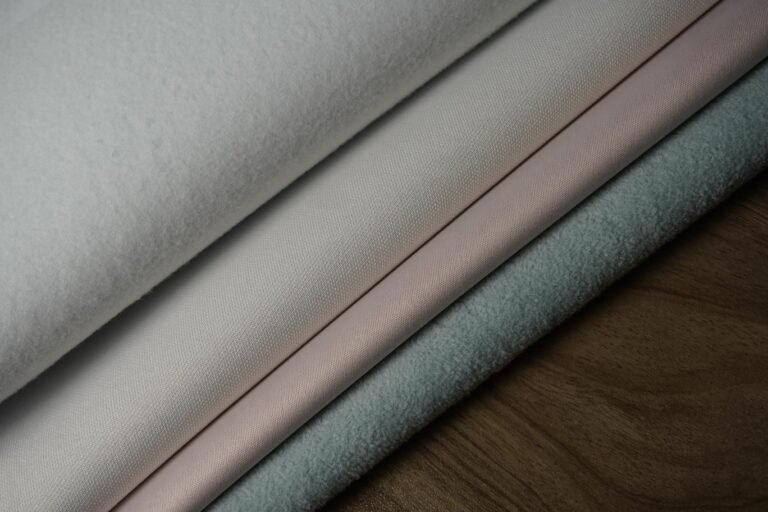
Polyurethane leather fabric presents a clean, leather-like surface on day one—the question is how it ages under daily occupant use.
This is not a question of brand or price tier. Even premium PU formulations follow the same chemical trajectory; they simply delay it. A designer who understands that trajectory can specify a material that survives the building’s actual occupancy, not just its opening day. If your brief leans toward furniture and sofa applications, that long view matters even more.
The Cleaning Penalty of Polyurethane Leather Fabric
Cleaning is where end-user frustration becomes most visible. A polyurethane leather fabric surface starts with a smooth, sealed feel, but as the topcoat wears, microscopic pores open and trap body oils, food residue, and pigment from clothing. Custodial staff find themselves scrubbing harder—which only accelerates coating breakdown.

Once the PU topcoat degrades, stains reappear after every wipe—a daily penalty for operators and occupants alike.
In my own material audits of hospitality and co-working projects, maintenance teams consistently report that PU-upholstered seating needs wiping two to three times more often than they planned for. The care guide says “mild soap and water,” but in practice the stains keep returning because the surface has lost its release property. That rising cleaning frequency is a direct cost line for the operator and a comfort tax on the occupant—nobody enjoys sitting on a chair that still feels tacky after the morning wipe-down.

A surface that holds a water bead after years of use wipes clean in a single pass—exactly what end-users expect.
The cleaning and maintenance profile of a fabric is therefore not a footnote; it shapes how the space is experienced every single morning.
Hydrolysis: The Hidden Clock Inside PU Coatings
The root cause is hydrolysis. Water molecules—whether from humid air, sweat, or cleaning solution—slowly break the ester bonds in the polyurethane polymer chain. Over months, the coating loses flexibility, turns brittle, and eventually flakes away from its fabric backing. This is a known property of the chemistry, not a defect of any single maker.
Hydrolysis is why polyurethane leather fabric ages fastest in exactly the spaces designers love to specify it: fitness studios, restaurant booths, transit seating, and any humid climate. The more an occupant sweats or spills, the faster that hidden clock runs—and once peeling begins there is no cleaning protocol that reverses it.
A stain-resistance test shows how a hydrolysis-stable surface releases contaminants that PU coatings would trap as the topcoat wears.
Silicone chemistry sidesteps this entirely. Because the siloxane backbone is inherently water-stable, a true hydrolysis-resistant silicone leather does not hydrolyze, crack, or peel under the same conditions. The surface keeps its release property for years, so wiping once is usually enough.
What Designers Should Specify Instead
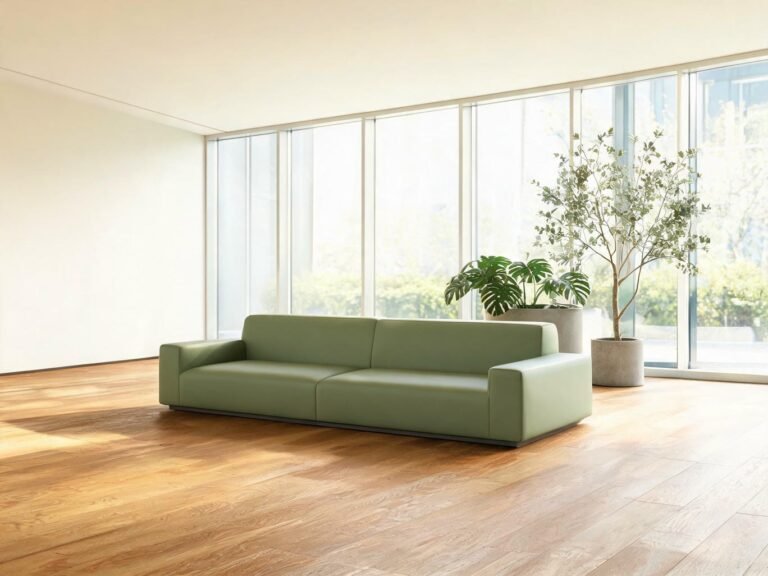
When the brief calls for a soft, leather-like surface that must also survive high-touch daily use, designers are increasingly moving from PU to silicone. The decision is driven less by cost per yard and more by the total experience an occupant has across the material’s life—how it feels at month three and at year five. A direct comparison makes that gap unmistakably clear.

A lychee-grain silicone leather holds its texture and softness long after PU would have flattened and cracked.
The table below maps the end-user issues designers are asked to solve against how each material behaves in the field.
| End-User Issue | Polyurethane Leather Fabric | Silicone Leather | Designer Impact |
|---|---|---|---|
| Surface cracking | Begins in 12–36 months in humid, high-touch use | Resists cracking; stable siloxane backbone | Fewer replacement cycles and warranty claims |
| Cleaning frequency | 2–3× planned; stains reappear as topcoat wears | Wipe once; inherent stain release | Lower housekeeping cost, consistent look |
| Hydrolysis / peeling | Coating degrades with moisture over time | Does not hydrolyze; no flaking | Spec holds in humid climates |
| Occupant comfort | Turns tacky or sticky as coating breaks | Stays soft, dry, non-sticky | Better perceived quality over time |
| Safety / fire | Additive-dependent flame performance | Inherently low smoke, self-extinguishing options | Easier compliance for public spaces |

Scratch-resistance testing quantifies exactly how a surface will respond to the daily friction occupants impose on it.
For a deeper technical breakdown of the chemistry, see our silicone vs PU comparison. If you are newer to the substrate itself, this primer on PU leather furniture upholstery explains how the legacy material behaves in the field.
Specifying for Occupant Safety and Long-Term Comfort
Safety rounds out the case. Polyurethane leather fabric depends on added flame retardants to meet public-space fire codes, and those additives can migrate or degrade alongside the coating. Silicone leather, by contrast, achieves low-smoke, self-extinguishing performance from its base chemistry—no migrating additives, no compromised surface after years of cleaning.
A regional co-working operator replaced 140 lounge chairs after their PU upholstery cracked and peeled within two years, generating tenant complaints about sticky seats and visible wear. They re-specified the same chair silhouette in silicone leather; eighteen months later the surfaces still wiped clean with a single pass and showed no cracking at stress points. The operator calculated that the avoided reupholstery paid back the material premium inside the first replacement cycle.
From the operator’s seat, that change is measurable in three places at once: fewer work orders for sticky or peeling seats, lower cleaning-supply consumption, and quieter tenant feedback. Designers rarely see those dashboards, yet they are the downstream signal that tells you whether a specification actually worked or quietly failed.
Designers specify materials for people, not just for photographs. When the goal is an interior that still feels right on the thousandth wipe and the ten-thousandth sit, replacing polyurethane leather fabric with a hydrolysis-stable alternative is one of the highest-leverage decisions in the spec book.
About TOPSUN
TOPSUN engineers hydrolysis-proof silicone leather built to replace failing polyurethane leather fabric in high-touch interiors. Every roll is designed around real occupant experience: surfaces that wipe clean in a single pass, stay soft and non-sticky after years of daily use, and never crack or peel at stress points. From co-working lounges to transit seating, we help specifiers deliver interiors that still feel right long after opening day.