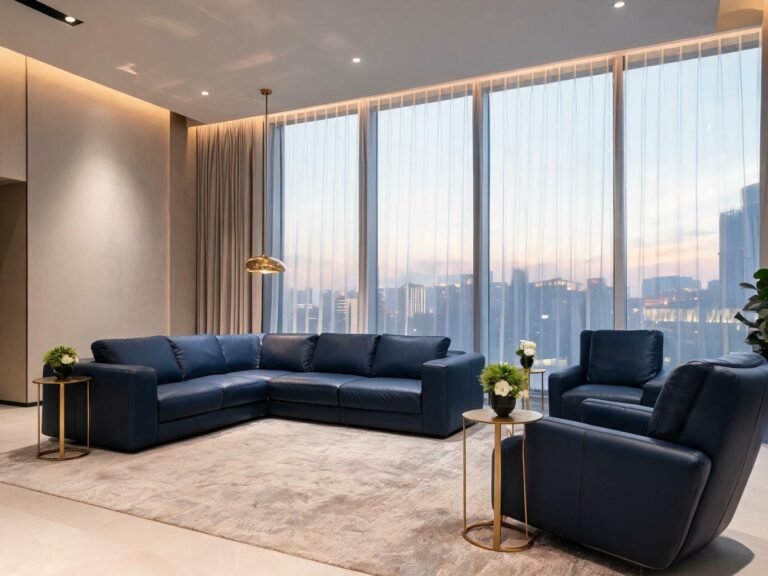
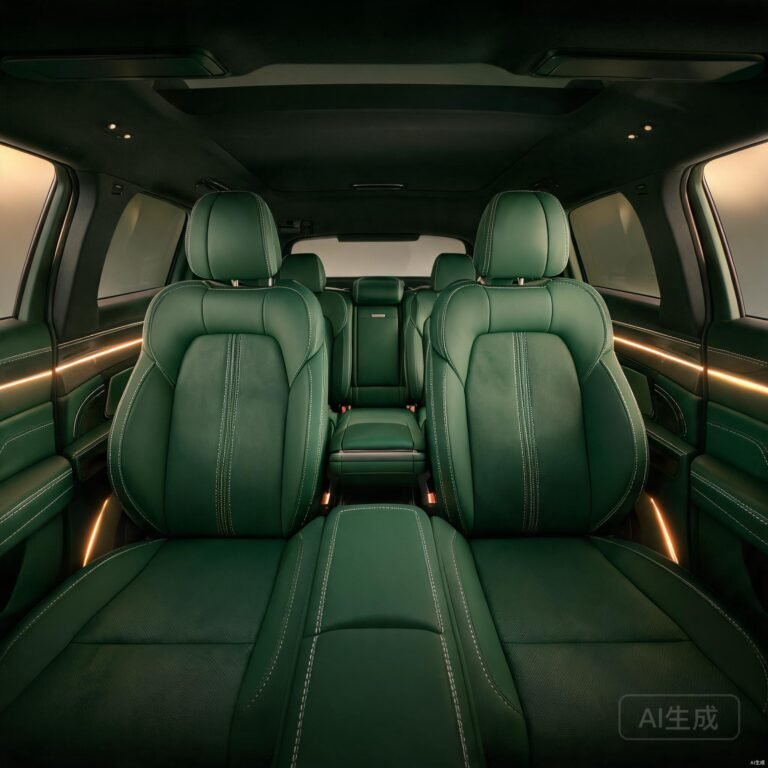
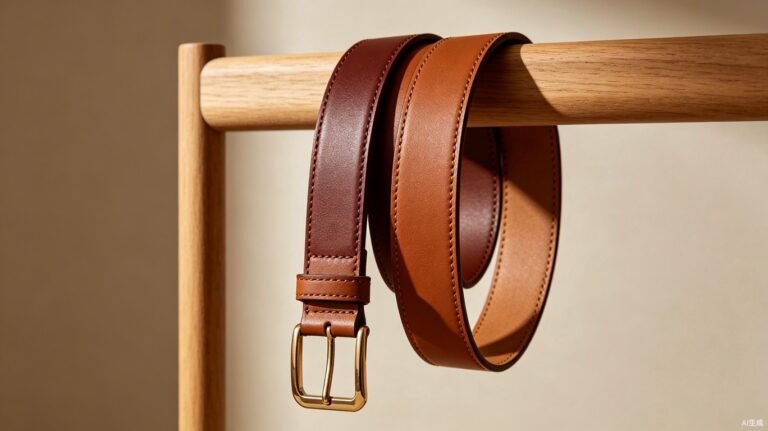
The global vegan leather market hit $39.5 billion in 2022 and is projected to reach $74.5 billion by 2030. But here is what procurement teams need to know: not all vegan fabrics are built to survive commercial use. Most PU-based alternatives start peeling within 3-5 years. PVC cracks under UV exposure. Even plant-based options like cactus and mushroom leather remain unproven at scale. If you are sourcing upholstery materials for furniture, automotive interiors, or medical equipment, the gap between “certified vegan” and “actually durable” is where projects fail. We tested five common vegan fabric types against Martindale abrasion standards — and the results reshaped how we advise B2B buyers.
What Makes a Fabric Truly Vegan — and Why It Matters for B2B Sourcing
A vegan fabric contains zero animal-derived inputs. That sounds straightforward until you start auditing supply chains. PU leather is technically vegan — it uses polyurethane coated onto a fabric backing. But the manufacturing process often involves solvents like DMF (dimethylformamide), which poses worker safety and environmental concerns. PVC leather is also vegan, yet it contains phthalate plasticizers that EU REACH regulations increasingly restrict. The question for sourcing managers is not just “is it animal-free?” but “is it environmentally responsible across its full lifecycle?”
This matters because major brands are pivoting. As one industry analysis noted, the shift toward vegan materials is “no longer viewed merely as an ethical niche, but as a core operational strategy” driven by environmental regulations and supply chain predictability. Procurement teams that select vegan fabrics without verifying durability data end up replacing upholstery 2-3x more often than necessary — wiping out any cost savings from choosing cheaper synthetics.

Vegan fabric color and texture swatches on display at TOPSUN’s production facility
5 Vegan Fabric Types: Performance Data from Real-World Testing
We compared five widely available vegan fabric categories using Martindale abrasion testing — the industry standard for upholstery durability. The results reveal a sharp performance divide that most supplier catalogs conveniently omit. When you compare silicone vs PU leather head-to-head, the numbers speak for themselves.
| Vegan Fabric Type | Martindale Cycles | Typical Lifespan | VOC Status | Key Certifications |
|---|---|---|---|---|
| Silicone Leather | 200,000+ | 10-15 years | Zero VOC | ISO 10993, REACH, FDA |
| PU Leather | 10,000-30,000 | 2-5 years | Moderate-High | REACH (variable) |
| PVC Leather | 15,000-30,000 | 3-5 years | High (phthalates) | Limited |
| Plant-Based (Piñatex, Cactus) | Not standardized | 1-3 years | Variable | Emerging |
| Mycelium (Mushroom) | Not standardized | Unproven at scale | Low | Pilot stage |
Source: Martindale abrasion data from TOPSUN SGS testing reports and industry-standard ranges for PU/PVC.
The Durability Gap: Why Most Vegan Fabrics Fail Before Year 5
In our experience testing upholstery materials for commercial clients, the failure pattern is remarkably consistent. PU leather begins surface cracking around year 3 in high-traffic environments like restaurant booths and hotel lobbies. PVC follows a similar trajectory, with the added problem of plasticizer migration — the material literally becomes brittle as chemical additives leach out over time. Plant-based alternatives, while promising in lab conditions, lack the field data to justify specifying them for projects with 7-10 year warranty requirements.

Martindale abrasion tester used to evaluate vegan fabric durability at TOPSUN’s QC lab
One of our furniture manufacturing clients switched from PU leather to silicone-based vegan fabric for a senior living facility project. After 18 months of daily use across 200+ chairs, zero units showed surface degradation. The previous PU specification had required replacement cushions every 4 years. That is the difference between 10,000 Martindale cycles and 200,000+. For more on how vegan leather durability translates to real-world TCO, the data is clear.
Key insight: A vegan fabric that needs replacing every 3 years costs 3-5x more over a 15-year period than one that lasts the full term — even at 2x the unit price.
See how silicone vegan fabric performs under real-world abrasion, waterproof, and stain resistance testing
Silicone Leather: The Only Vegan Fabric with 200K+ Martindale Cycles
Silicone leather stands apart from every other vegan fabric category for one structural reason: its silicon-oxygen molecular backbone. Carbon-based polymers like polyurethane and PVC degrade through hydrolysis, UV oxidation, and thermal cycling. Silicone’s inorganic structure resists all three. That is why it maintains flexibility from -40 to 250 degrees Celsius without cracking, and why it passes 200,000+ Martindale abrasion cycles without surface breakdown. As detailed in our silicone leather introduction, the material is 100% solvent-free during production — no DMF, no phthalates, no heavy metals.

Waterproof performance test on silicone vegan fabric — droplets bead on the non-porous surface
For B2B buyers, this means the material qualifies for applications where other vegan fabrics cannot compete: medical equipment requiring ISO 10993 biocompatibility, food-contact surfaces needing FDA compliance, and automotive interiors demanding low-VOC cabin air per VDA 277. It is also inherently antibacterial — a property no PU or PVC fabric possesses without chemical additives that wash out over time.

Texture closeup showing the premium grain finish achievable with silicone-based vegan fabric
How to Audit Vegan Fabric Suppliers: 7 Compliance Checkpoints
Before signing a supply agreement, verify these seven items — not from the supplier’s marketing PDF, but from third-party test reports issued by accredited laboratories like SGS or Intertek:
- Martindale abrasion data — Request the actual cycle count, not “high abrasion resistance.” Anything below 30,000 cycles is unsuitable for commercial upholstery.
- REACH SVHC screening — Must cover all 247+ current Candidate List substances, not a partial subset. Verify the report date is within 12 months.
- PAHs test results — Eight regulated PAHs per REACH Annex XVII Entry 50, all below 0.1 mg/kg detection limit.
- VOC emission data — For automotive or indoor applications, demand VDA 277 or equivalent chamber testing results.
- ISO 10993 biocompatibility — Required for medical, baby, and food-contact applications. Cell viability must exceed 70% at 100% extract concentration.
- UV stability data — Critical for furniture and sofa applications near windows or outdoor settings. Request xenon-arc weathering test results.
- Supply chain transparency — Can the supplier trace raw materials to origin? Do they hold ISO 9001 quality management certification for their production line?
Most suppliers can produce a REACH certificate. Far fewer can back it with current SGS testing across all seven categories. If you are evaluating vegan leather alternatives, use this checklist as your baseline. According to PETA’s natural vegan fabrics guide, the distinction between genuinely sustainable materials and greenwashed synthetics comes down to verifiable test data — not marketing claims.
Frequently Asked Questions
Is silicone leather considered a vegan fabric?
Yes. Silicone leather contains zero animal-derived inputs. It is made from 100% silicone polymer coated onto a fabric backing (polyester, cotton, or custom substrates). Unlike PU or PVC, the production process uses no organic solvents, plasticizers, or animal-derived stearates. It meets the strictest vegan certification criteria while outperforming both genuine leather and synthetic alternatives in durability testing.
Do vegan fabrics cost more than genuine leather over 10 years?
It depends on the material. While PU and PVC vegan fabrics have lower upfront costs than genuine leather, their 2-5 year replacement cycle makes them 3-5x more expensive over a 10-15 year period. Silicone leather has a higher initial cost than PU but a 10-15 year lifespan — making its total cost of ownership lower than both genuine leather and budget synthetics when replacement labor, downtime, and warranty claims are factored in.
Choosing Vegan Fabrics That Last
The vegan fabrics market is expanding rapidly, but growth does not equal quality. For B2B procurement teams, the real question is not whether a material carries a vegan label — it is whether that material can pass 200,000 Martindale cycles, hold up against UV and hydrolysis for a decade, and carry third-party certifications from SGS across ISO 10993, REACH, PAHs, and FDA standards. Silicone leather is the only vegan fabric that checks every box. If your project demands both ethical sourcing and commercial-grade durability, that is where the spec sheet should start.
About TOPSUN
TOPSUN manufactures solvent-free silicone leather as a high-performance vegan fabric for furniture, automotive, and medical applications across 30+ countries.
Backed by ISO 10993 biocompatibility, REACH, and FDA food-contact certifications — with 200,000+ Martindale cycles and a 10-15 year service life verified by SGS.