Three numbers decide whether a plant leather bag program survives its first season. The first is market momentum. Persistence Market Research projects the plant-based leather market to grow from $649.6 million in 2026 to $1,436.1 million by 2033. That is a 12% annual clip. The second is flex life. Independent SATRA TM55 testing shows full-grain leather surviving more than 100,000 bend cycles. Many early plant-based composites fail between 10,000 and 30,000 cycles when the coating runs under 300 microns. The third is field reality: owner reports cluster around two to four years before visible cracking. Your job as a developer is to close that gap with specifications, not slogans.
The Plant Leather Market Behind Your Bag Line
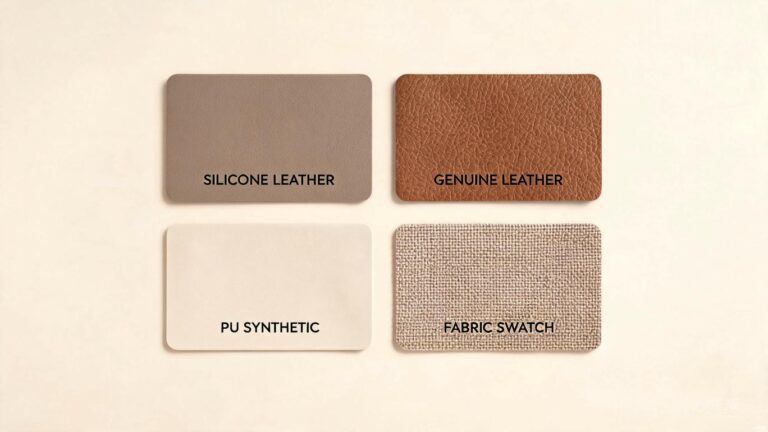
Cactus, mushroom, apple, and pineapple leathers each carry a story your marketing team can sell. Each also behaves differently at the handle, the corner, and the zip. The 12% growth figure attracts new entrants every quarter, and coating quality varies widely between them. Treat every plant leather bag candidate as a composite. It combines a textile backing, a coating of known chemistry and thickness, and a finish layer. Judge the system, not the plant.
Mycelium-based samples look convincing on the desk; the flex rig tells the real story.
Where Plant Leather Bags Fail First in the Field
Failure concentrates at three points. Handles flex thousands of times per season, so a coating that cracks at 10,000 cycles sheds within a year. Corners take abrasion from tables and airport floors. One sourcing guide recommends reinforced base corners there. A PU-backed construction can push cactus leather past 30,000 Martindale cycles. Edges fail where the coating is cut open and moisture wicks into the backing. Edge paint quality therefore matters as much as the sheet itself.
We saw this pattern on a tote program that switched to a plant-based sheet without flex data. The body panels were fine. The handle creases whitened in eight weeks. The fix was not a new plant. It was a thicker coating system and a handle material rated for the actual bend count.

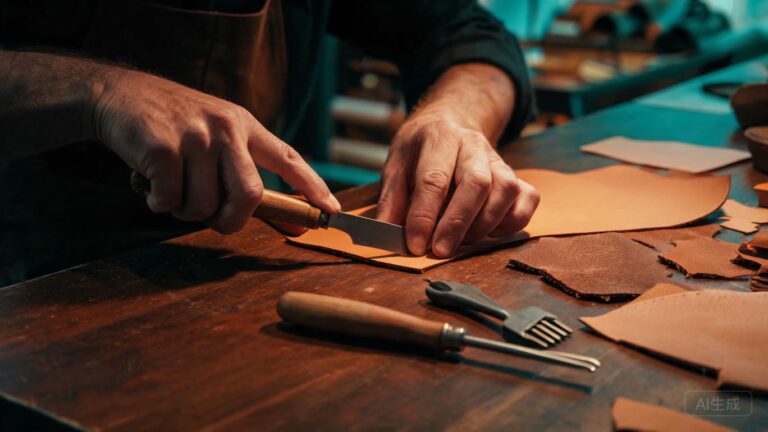
Coating thickness at the laminator decides how many bend cycles a bag panel survives.
Flex and Abrasion Numbers to Demand From Suppliers
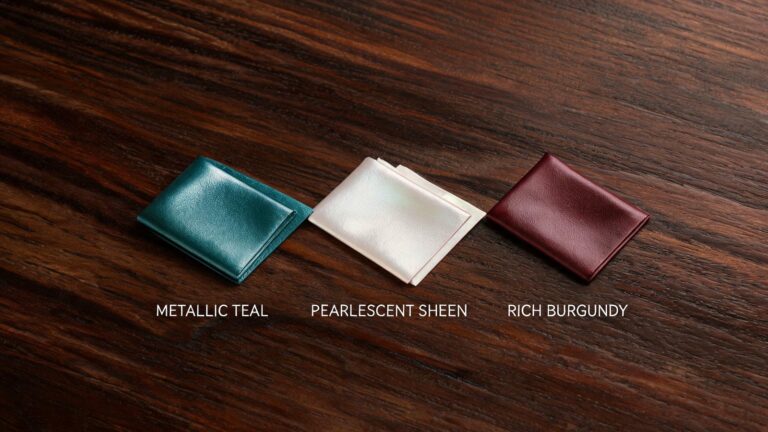
Ask every candidate supplier for four figures tied to a production batch, not a brochure. Request SATRA TM55 or equivalent flex results above 30,000 cycles for handle zones. Request Martindale abrasion data, with 30,000 cycles as a floor for travel bags and 20,000 for daily totes. Request coating thickness in microns, because the sub-300-micron coatings are the ones that fail early. Finally, request hydrolysis chamber results, since humid climates peel water-based coatings that looked perfect in a dry showroom.

Texture samples feel identical by hand; batch-linked test reports separate them.
Backing Chemistry Decides the Lifespan
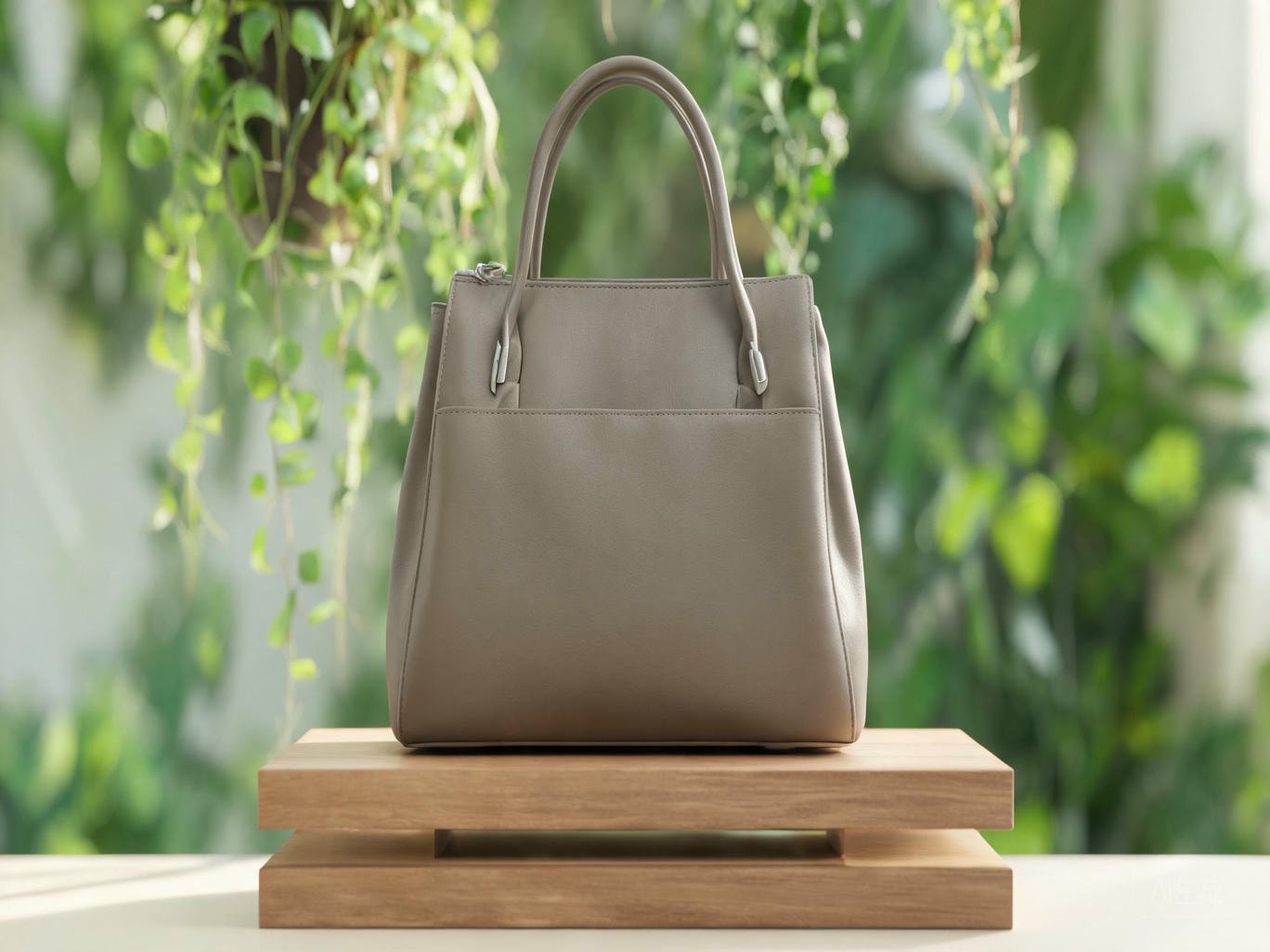
The plant layer is often a thin bio-film over a synthetic backing, and the backing usually fails first. Hydrolysis-prone PU backings crack in humid warehouses. That is why premium cactus programs specify water-based PU engineered for humidity resistance. Our own approach removes the weak layer entirely. Silicone leather carries no plasticizers and resists hydrolysis by chemistry. It reaches 200,000+ Martindale cycles in our High Performance collection. Bag brands that want a plant-forward story often pair a plant-based trim with a silicone body panel. The silicone removes the delamination risk. Our eco-friendly silicone leather page explains the material logic. Our silicone leather for fashion and sports page shows where it already runs in production.
Premium bag programs: silicone panels that keep their surface through years of daily flex.
Frequently Asked Questions
Are plant leather bags actually better for the planet?
They cut the animal-hide footprint, but the full picture depends on the backing chemistry and the coating solvent load. A plant film over a hydrolysis-prone backing becomes landfill in three years, which erases the gain. Durability is the sustainability metric that matters most.
Can plant leather replace PU across a whole bag program?
Not yet on current evidence. Flex and abrasion data support structured panels and low-stress zones first. Handles, corners, and edge-trim zones need either reinforced construction or a higher-cycle material.
Your Plant Leather Bag Launch Checklist
Run these five steps before the purchase order and your first season will not write your returns policy for you:
- Demand batch-linked flex, Martindale, and hydrolysis reports, not brochure claims.
- Confirm coating thickness in microns and reject sub-300-micron coatings for stress zones.
- Reinforce corners and specify handle material by bend count, not price.
- Age-test finished samples in humidity before approving the trim card.
- Keep a high-cycle fallback material qualified for every stress zone.

Approve the grain on a macro closeup before the trim card goes to print.
Start Your Bag Program With Our Team
About TOPSUN
TOPSUN develops silicone leather for bag brands that want a plant-based story without the delamination risk.
In-house coating lines, 100+ textures, Pantone and RAL color matching, and SGS reports with every order.
References
- Persistence Market Research, Plant-based Leather Market 2026-2033: https://www.persistencemarketresearch.com/marke…
- Luxury Leather Good, Where the New Leathers Fall Short of Full Grain: https://www.luxury-leather-good.com/mushroom-ca…
- Beltley, Cactus, Mushroom and Apple Leather: Real or Hype?: https://www.beltley.com/blogs/blog/cactus-mushr…
- iSportbag, Sourcing Plant-Based Leather Bags From China: https://www.isportbag.com/news/sourcing-plant-b…