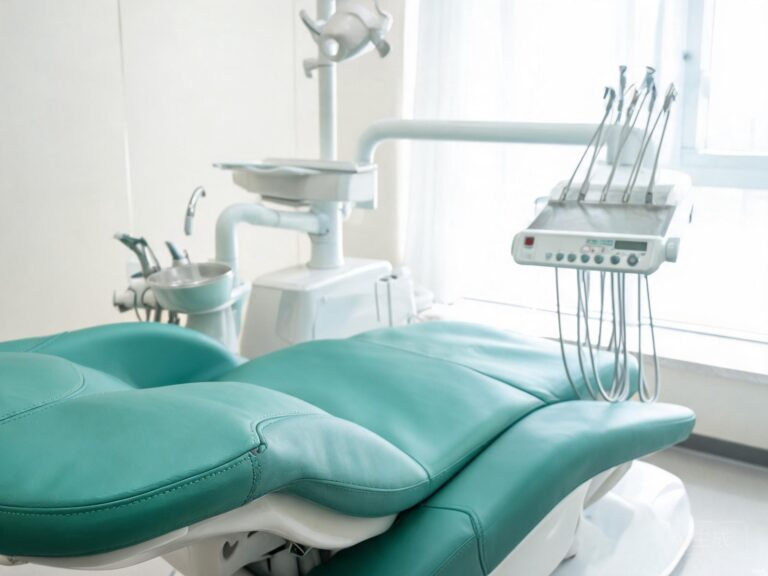
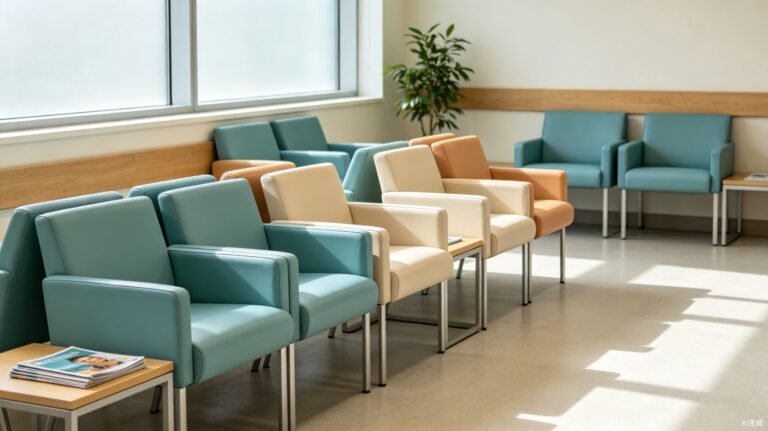
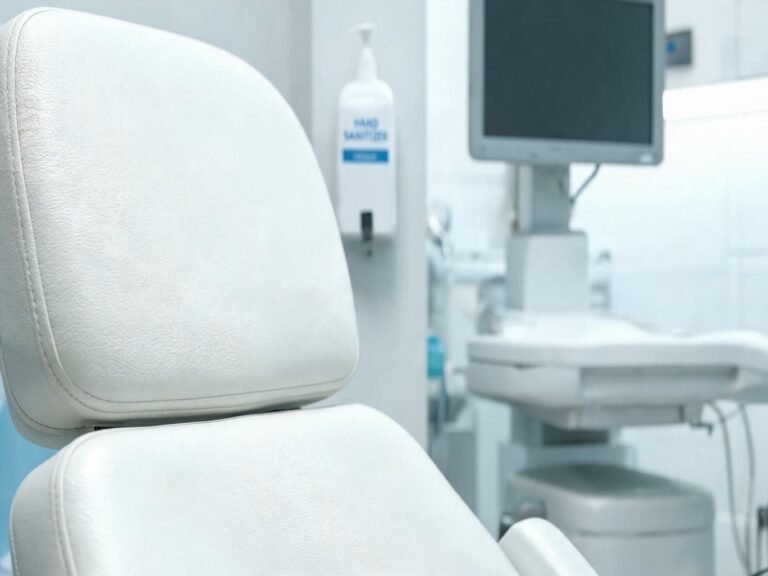
In healthcare environments, the waiting room is where a patient’s experience begins. Before meeting a physician or nurse, visitors form their first impression of your facility while seated—sometimes for extended periods. Yet a waiting room chair is far more than a place to sit; it is a high-touch surface that hundreds of patients contact each week, making it a critical infection-control point. Selecting the right patient waiting chair material therefore affects both how welcoming your space feels and how effectively your staff can maintain a hygienic environment. This article examines the durability, disinfection, and design factors that define an effective healthcare seating surface, and why silicone leather has become a leading solution for waiting room furniture materials across clinics and hospitals.
Patient Waiting Chair Material and the Dual Role of Healthcare Waiting Area Seating
Every healthcare waiting area serves two functions simultaneously. On the human side, comfortable seating reduces patient anxiety—an essential consideration when visitors may already be stressed, unwell, or accompanying frightened children. On the operational side, those same chairs endure constant daily turnover, with occupants shifting, leaning, and occasionally spilling food or beverages.
In our projects with healthcare facilities, we have observed that the choice of patient waiting chair material directly influences both perceptions of cleanliness and actual infection risk. A surface that stains easily or retains odors signals neglect even when the underlying structure is sound. Conversely, a material that looks fresh after repeated wipe-downs reinforces patient confidence. This dual demand—psychological comfort and physical resilience—is why facility managers are moving away from porous textiles toward engineered coverings. The same logic extends to silicone leather for public spaces across transit hubs and airports, where traffic volume rivals that of busy clinics.
Durability Requirements for High-Traffic Medical Office Chair Use
A medical office chair in a busy clinic may be occupied twelve or more hours per day, year-round. The patient waiting chair material must withstand several concurrent stresses:
- Abrasion cycles: Friction from clothing, bags, and repeated sitting wears through inferior coverings within months. Look for materials tested beyond 50,000 Martindale cycles.
- UV fading: Chairs near windows degrade under sunlight. Color-fastness testing confirms whether dyes hold up over years of exposure.
- Food and drink spills: Patients snack while waiting; coffee, juice, and medication residue must not permanently stain the surface.
- Body oils and sweat: Prolonged contact transfers sebum that breaks down plasticizers in PVC and causes PU leather to crack and peel.

Abrasion resistance testing simulates years of daily seating friction on silicone leather samples.
We’ve observed that traditional vinyl and PU coverings in high-traffic waiting rooms typically require replacement every 18–24 months, whereas silicone leather maintains its structural integrity far longer. Commercial seating in restaurant booth applications faces similar spill-and-wear challenges, reinforcing that material selection—not just design—determines longevity.
Key takeaway: Durability is not a single metric but a combination of abrasion, UV, stain, and chemical resistance. A material that excels in one category but fails in another will still need premature replacement.
Hygiene and Disinfection Protocols for Patient Lounge Seating
The CDC guidelines for environmental infection control in healthcare facilities emphasize that high-touch surfaces—including patient lounge seating—must be cleaned and disinfected regularly with EPA-registered hospital disinfectants. The challenge is that many of those disinfectants degrade the very materials they are meant to protect.
Silicone leather public-seat hygiene introduction: non-porous surface, chemical compatibility, and wipe-clean efficiency.
Silicone leather is chemically inert, meaning it tolerates alcohol-based wipes, quaternary ammonium compounds, and even diluted bleach solutions without cracking or discoloration. In one regional oncology center we supplied, staff transitioned from PU-covered chairs—which showed visible cracking after six months of twice-daily disinfection—to silicone leather seating that remained intact after two years of the same protocol. This chemical compatibility is what also makes silicone the preferred hospital bed upholstery material in infection-conscious facilities.
Key takeaway: A surface that cannot survive its own cleaning regimen will eventually harbor pathogens in the micro-fissures it develops. Chemical compatibility with hospital-grade disinfectants is non-negotiable.
Design, Color, and Patient Waiting Chair Material for Clinic Waiting Furniture
Clinical environments need not feel clinical. Research in environmental psychology shows that warm, muted tones—soft greens, blues, and earth neutrals—lower heart rate and perceived wait times. The right clinic waiting furniture therefore balances aesthetic warmth with practical stain resistance.
Because chairs near windows are exposed to UV light, color-fastness testing ensures that calming hues will not fade unevenly over time—a detail that undermines an otherwise thoughtful design scheme.

Color fastness testing verifies UV resistance so waiting-area upholstery retains its intended hue for years.
Silicone leather is available in a lychee-grain texture and a broad palette of warm tones that hide minor soiling while maintaining a premium, non-institutional appearance. Unlike cold vinyl, silicone has a supple hand-feel that reads as comfortable and inviting to anxious patients.

Warm-tone lychee-grain silicone leather swatches offer calming color options for healthcare interiors.
When specifying patient waiting chair material for renovation projects, designers increasingly pair calming hues with the material’s inherent cleanability—achieving both visual warmth and operational hygiene in a single specification. The table below summarizes how the three most common waiting-area coverings compare across the criteria that matter most.
| Property | Silicone Leather | Vinyl (PVC) | PU Leather |
|---|---|---|---|
| Abrasion resistance | >100,000 cycles | ~20,000 cycles | ~15,000 cycles |
| Disinfectant compatibility | Alcohol, quat, bleach | Limited | Poor |
| Cleanability | Non-porous, wipe-clean | Wipe-clean | Absorbs oils |
| UV / color fastness | Excellent | Moderate | Poor |
| Lifespan in waiting room | 5+ years | 1–2 years | 1–2 years |
| Breathability | Good | Poor | Moderate |
Request Free Waiting Room Samples
Choosing the appropriate patient waiting chair material is ultimately a decision about risk management and patient experience. The surface must welcome anxious visitors, endure relentless daily use, and survive aggressive disinfection without degrading. Silicone leather meets all three demands—durability, hygiene, and design flexibility—making it a cost-effective long-term investment for any healthcare waiting area. By specifying a covering engineered for the realities of clinical environments, facility managers protect both their maintenance budgets and the people they serve.
Request Free Waiting Room Samples
About TOPSUN
TOPSUN manufactures silicone leather engineered for healthcare waiting areas, combining clinical-grade cleanability with the warm aesthetics patients expect. Our materials are specified by hospitals and clinics across Europe and the Americas for seating that endures daily disinfection without compromise.
Certifications: ISO 10993, FDA, REACH, antibacterial per JIS Z 2801