A furniture OEM orders 10,000 sofa units, specifying “genuine leather upholstery” on the purchase order. Six months later, warranty claims flood in — the leather panels around armrests and seat edges are cracking along stitched seams. The culprit? Patch leather sourced without adequate quality specifications, where smaller hide pieces were joined to maximize material yield. For B2B buyers, understanding what patch leather actually is — and when it creates value versus risk — can prevent exactly this scenario.
Request Patch Leather Sample Kit
What Is Patch Leather in Upholstery Manufacturing
Patch leather refers to leather panels assembled from smaller hide pieces, typically stitched together to cover areas where a single continuous hide would be wasteful or impractical. In furniture manufacturing, this approach is common on sofa backs, side panels, and dust covers — areas that don’t receive direct seating contact but still need to match the visible leather aesthetically. For any patch leather furniture repair material supplier evaluation, the construction method matters as much as the hide grade itself.
The economics are straightforward. A full cowhide yields roughly 45-50 square feet of usable material. Cutting around natural defects, brands, and edge irregularities leaves 15-20% as offcuts. Patch construction recovers that yield by stitching offcuts into functional panels. Done well, this reduces waste and lowers unit cost without compromising the product’s visible quality. Done poorly, it creates seams that split under stress and panels that age inconsistently.
The critical distinction for procurement teams is between “patched” construction (intentional panel design using quality-matched pieces) and “patched up” construction (using irregular scraps to hide defects). The first is a legitimate manufacturing technique. The second is a quality liability that surfaces as warranty claims within 12-18 months of field use.

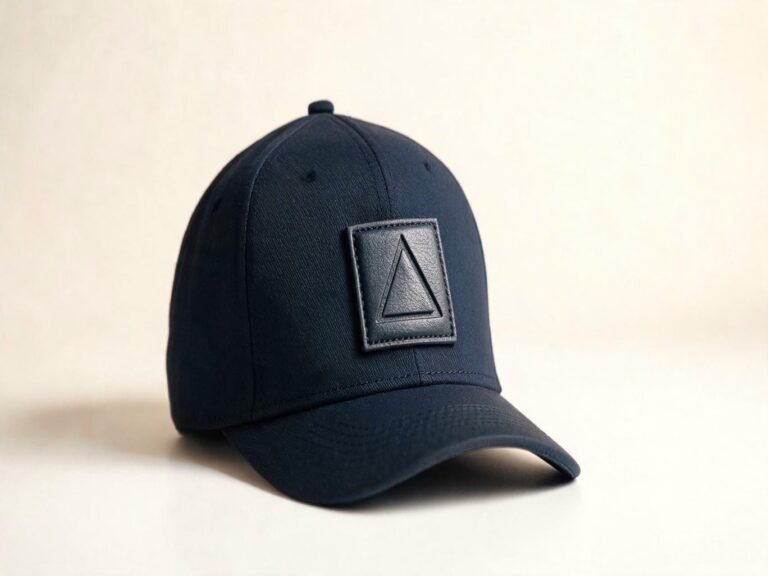
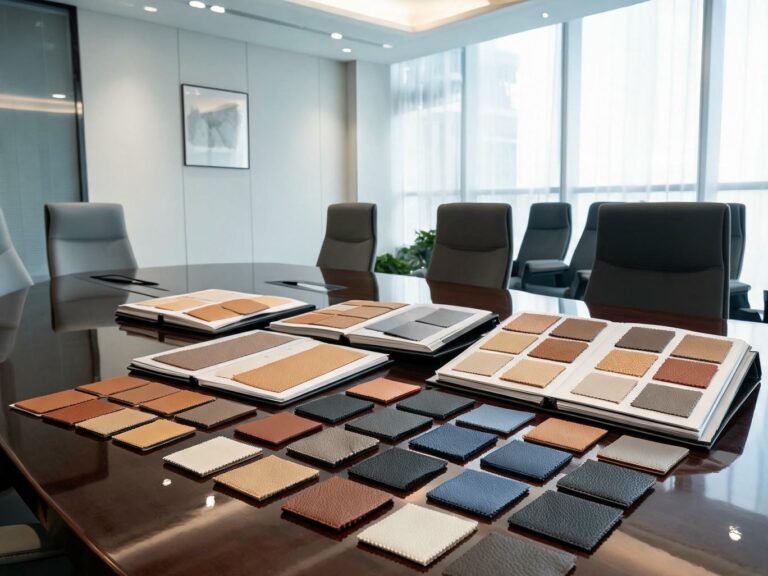
Color and texture consistency across patch leather pieces determines whether assembled panels look intentional or mismatched.
Patch Leather vs Bonded Leather vs Full Hide
These three terms get conflated constantly, but they describe fundamentally different materials with different cost structures and durability profiles. Understanding the patch leather vs bonded leather quality difference starts with construction method — each material assembles leather content in a distinct way.
| Material Type | Construction | Typical Cost Index | Durability Risk | Best Use Case |
|---|---|---|---|---|
| Full hide leather | Single continuous hide, no seams | 3.0–4.0x | Lowest (no seam failure) | Visible seating surfaces |
| Patch leather | Stitched hide pieces, matched grain | 1.8–2.5x | Moderate (seam stress points) | Non-contact panels, backs, sides |
| Bonded leather | Leather fibers + polyurethane binder | 0.5–0.8x | High (delamination, peeling) | Budget products, short lifecycle |
| Synthetic panel leather | Continuous silicone/PU coating on fabric | 1.5–2.5x | Low (no seams, no hide defects) | All upholstery areas, uniform appearance |
The cost savings from patch construction are real — typically 30-40% versus full-hide panels for equivalent square footage. But those savings evaporate if seam failures trigger warranty replacements. One Midwest furniture brand we worked with calculated that their warranty cost on patch leather sofa backs ran $8.50 per unit over a 3-year period, eating most of the material savings. Learn more about furniture sofa leather applications to understand where full-hide versus patch construction makes sense.
Quality Specs That Determine Patch Leather Value
Patch leather specification for commercial furniture requires more detail than a typical leather PO. The stitching and joining process introduces variables that full-hide specification never encounters. Here’s what to verify:
- Stitch density and type: Minimum 8 stitches per inch with locked-chain stitching. Single-thread chain stitch unravels if one stitch breaks — unacceptable for load-bearing seams.
- Seam strength (ASTM D1683): Minimum 25 lbf per inch of seam. Panels that fail this threshold will split within the first year of commercial use.
- Hide grade consistency: All pieces in a single panel must come from the same hide grade (A, B, or C). Mixing grades creates visible grain texture mismatches that deepen with wear.
- Thickness tolerance: ±0.2mm across all pieces in a panel. Thicker pieces create raised seams that catch abrasion; thinner pieces wear through faster.
- Dye lot matching: Color difference (Delta E) between pieces must stay below 1.5. Beyond that threshold, the eye perceives distinct panels, undermining the “single surface” appearance.

Scratch resistance testing helps verify that patch leather panels maintain consistent surface integrity across joined pieces.
In our experience auditing supplier samples, thickness inconsistency is the most common failure point. We’ve measured panels where individual pieces ranged from 0.8mm to 1.4mm — a 75% variation that made seams visibly uneven and structurally weak. The fix is simple: specify thickness tolerance in the PO and verify with a thickness gauge at incoming inspection.
Procurement tip: Request a “destructive seam test” sample — a 10cm x 10cm swatch containing a representative seam. Pull it apart by hand. If the leather tears before the seam gives way, the stitching is adequate. If the seam separates first, reject the batch.
Synthetic Alternatives for Panel and Patch Applications
Here’s where the conversation shifts from managing patch leather risks to eliminating them entirely. Synthetic leather — particularly silicone-coated fabric — offers a continuous surface with no seams, no hide defects, and no grain inconsistency. For manufacturers seeking a synthetic patch leather alternative wholesale option, the advantages compound across production, quality, and field performance.
The key insight is that synthetic leather is produced in continuous rolls, typically 1.37m wide. This means a sofa back panel that would require 3-4 stitched hide pieces can be cut from a single synthetic sheet. No seams means no seam failures. No hide defects means no rejected panels. No grain matching means no visible inconsistency between units in a production run.
For high-volume furniture lines, this translates to measurable production gains. Die-cutting synthetic panels achieves ±0.5mm tolerance versus ±2-3mm typical with hand-cut hide pieces. A factory production tour reveals how automated cutting lines maintain this precision across thousands of panels per shift.

Flexibility testing ensures synthetic panel leather maintains structural integrity without the seam weak points inherent in patch construction.
See how continuous synthetic leather panels outperform stitched patch leather in durability comparison testing.
How to Source Patch Leather Without Quality Surprises
Whether sourcing genuine patch leather or evaluating synthetic alternatives, the procurement checklist should address the specific failure modes that patch construction introduces. Here’s what to put on your supplier audit form:
- Request seam strength test data (ASTM D1683) — not just material tensile strength
- Inspect 5 random panels per shipment for thickness consistency with a digital gauge
- Verify dye lot documentation — every piece in a panel should trace to the same lot
- Ask about the supplier’s defect rejection rate — genuine patch leather typically runs 8-12% versus under 2% for synthetic rolls
- Check whether the supplier offers custom panel cutting with CNC precision, or only manual cutting
The Leather Working Group provides environmental stewardship certification that also addresses traceability — useful for verifying that patch leather sourcing meets sustainability claims. For synthetic alternatives, request REACH SVHC declarations and VOC test reports from accredited labs.

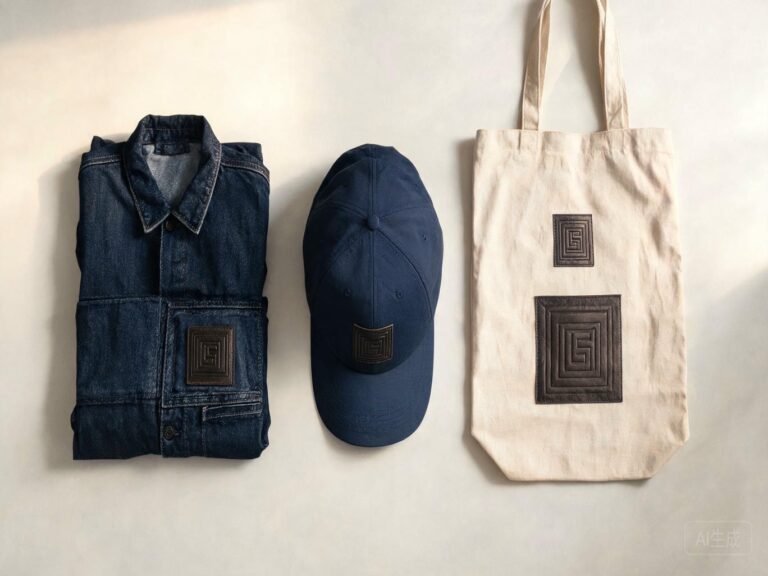
Commercial furniture applications demand patch leather or synthetic panels that maintain appearance consistency across hundreds of units.
Frequently Asked Questions
Can patch leather pass commercial furniture durability standards?
Yes, but only when properly specified. The seams — not the leather itself — are the weak point. Commercial-grade patch leather with locked-chain stitching at 8+ SPI and verified seam strength above 25 lbf/inch can meet ANSI/BIFMA durability requirements for non-seating-contact panels. For seating surfaces (cushions, armrests), full-hide or seamless synthetic construction is strongly recommended.
Is synthetic patch leather cheaper than genuine patch leather?
On a per-square-foot basis, mid-range PU synthetic leather is often 15-20% cheaper than genuine patch leather, while silicone-based synthetic leather is roughly comparable in price. However, the total cost calculation should include labor savings (no seam stitching required), reduced defect rates (under 2% vs 8-12%), and warranty cost avoidance — which typically tips the balance toward synthetic for high-volume production.
Choosing the Right Panel Strategy
Patch leather occupies a legitimate niche in upholstery manufacturing — it reduces waste and lowers cost when applied to non-critical surfaces with proper specifications. But for buyers who want to eliminate seam-related quality risks entirely, continuous synthetic leather rolls offer a compelling alternative. The decision comes down to your product’s price point, warranty expectations, and production volume. For high-volume commercial lines where consistency and warranty cost matter most, synthetic panels deliver measurable advantages that go beyond the material cost line item.
About TOPSUN
TOPSUN supplies die-cut leather panels and synthetic upholstery materials for furniture manufacturers requiring precise patch and panel specifications across commercial and residential product lines.
±0.5mm CNC cutting tolerance · REACH-compliant silicone formulations · Custom panel sizing from 500m MOQ · Full QC traceability from coating to cutting