A premium notebook cover leather does more than protect pages. It signals craftsmanship the moment a customer picks it up. The texture, the weight, the way the material feels under the thumb — these tactile cues determine whether a $30 notebook sells for $80 or gets returned as “cheap-feeling.”
For brands sourcing notebook cover leather at scale, the challenge is finding a material that delivers that premium tactile experience while surviving daily abuse: being shoved into backpacks, dragged across desk surfaces, exposed to coffee spills, and flexed open hundreds of times. Most PU leather covers look great in product photos but start showing visible wear within 6–12 months.
In our lab, we’ve tested notebook cover materials under ISO 12947-2 Martindale abrasion protocols. The difference between standard PU leather and silicone-based leather at 200,000 cycles is the difference between a cover that looks worn after one year and one that looks new after five.
Request Free Notebook Cover Swatches

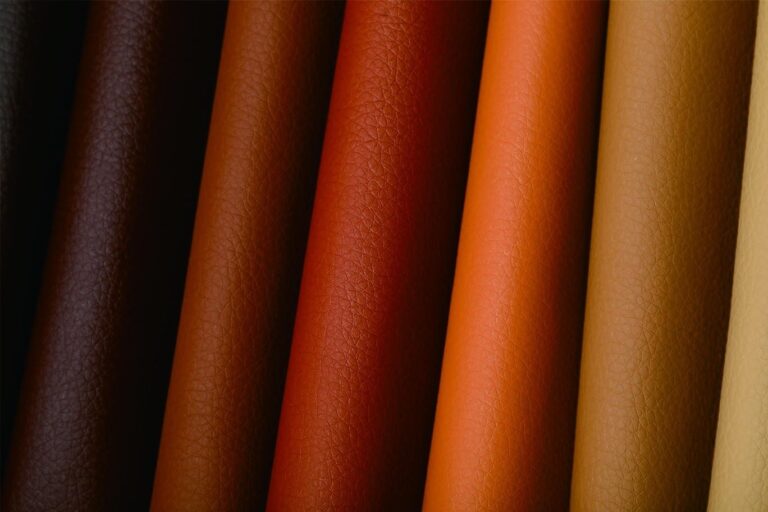
Soft-touch leather material — the tactile quality that defines a premium notebook cover
What Makes Notebook Cover Leather Feel Premium?
When a customer picks up a leather-bound notebook, three sensory factors drive their perception of quality before they even open it:
- Surface texture: The grain pattern under the fingertips — whether it’s a smooth nappa finish, a pebbled texture, or a full-grain pull-up — communicates craftsmanship. Inconsistent texture reads as cheap.
- Flex and recovery: When the cover is bent open, the material should flex smoothly without creasing, then return to its original shape. Materials that hold a crease look damaged after the first use.
- Edge quality: Cut edges should be clean and sealed, not fraying or separating. This is where PU leather fails most visibly — the coating delaminates from the fabric backing at cut lines.
For custom notebook covers, the material also needs to accept debossing, foil stamping, and laser engraving without surface damage. Our custom texture design capabilities include 100+ embossing patterns — from classic cowhide to bespoke designer textures — all achievable on silicone leather without the surface brittleness that limits PU leather embossing.
PU vs Genuine vs Silicone: Real Wear Testing Results
We ran three notebook cover leather materials through identical testing protocols to see how they perform under conditions that simulate years of daily use. Here’s what the data shows:
| Test Parameter | PU Leather | Genuine Leather | Silicone Leather |
|---|---|---|---|
| Martindale abrasion | 50K–100K cycles | 30K–60K cycles | 200,000+ cycles |
| Flex crease recovery | Permanent crease | Improves with age | Full recovery |
| Water resistance | Moderate — degrades | Poor — absorbs | Non-porous — beads off |
| UV color fastness | Grade 3 (fades) | Grade 3–4 | Grade 4–5 |
| Edge durability | Delaminates | Fibers separate | Sealed — no fraying |
Genuine leather scores surprisingly low on abrasion resistance because the topcoat that gives it color is relatively thin — the natural hide underneath is durable, but the colored surface wears through. PU leather performs adequately but degrades from UV and flex cycling. Silicone leather’s 200,000+ Martindale cycles come from the coating’s inherent wear resistance — the same property that makes it perform in furniture upholstery applications where daily use is even more aggressive.
Design insight: For brands offering a refillable notebook system, the cover must outlast multiple refills. A silicone leather cover lasting 5–10 years means the customer buys refills — not replacement covers — creating a recurring revenue stream with higher margins than the cover itself.

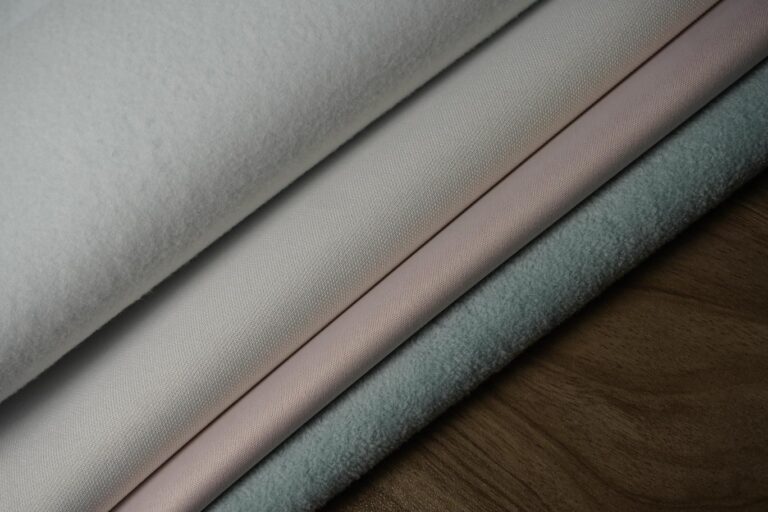
Color fastness testing — verifying that notebook cover colors resist fading from UV and rubbing
Texture and Color Options for Custom Notebook Covers
Notebook covers are a design-driven product — the material is the brand. That’s why color accuracy and texture consistency across production batches matters more than for most applications. A notebook cover launched in a specific Pantone color needs to match that color on every reorder, or the product line looks inconsistent on the shelf.
Our silicone leather notebook cover material offers:
- Pantone and RAL matching with Delta E ≤ 1.0 color accuracy — the industry benchmark for perceptual color matching.
- 100+ texture options including cowhide, pigskin, sheepskin, and custom embossing rollers produced in 7–10 days.
- Metallic and pearlescent finishes for premium gift and corporate notebook lines.
- 0.8–2.0mm thickness range — thicker for hardcover notebooks, thinner for soft-flex journal styles.
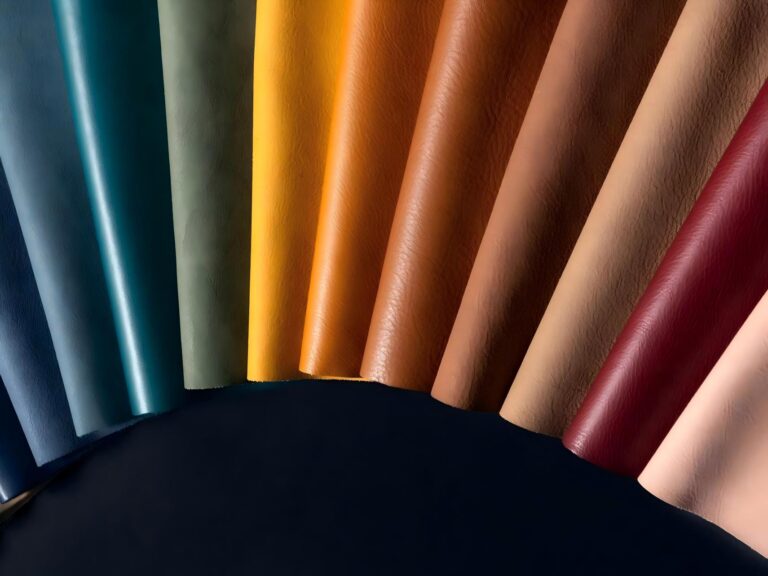
Surface finishes overview — texture and finish options for custom notebook cover leather

Leather craftsmanship in premium packaging and stationery applications
Why Stiffness and Flex Balance Matters for Notebook Covers
A notebook cover needs to be stiff enough to protect the pages inside, but flexible enough to open flat without fighting the material. This balance is controlled by the base fabric — and it’s where most PU leather notebook covers fail.
PU leather typically uses a woven polyester backing that’s relatively stiff. Over time, the bond between the PU coating and the backing weakens from flex cycling, causing the cover to lose its shape — it starts to bow or ripple. In our flex-resistance testing per ISO 5402, silicone leather maintains its coating-to-backing bond through 50,000–100,000 flex cycles because the silicone polymer’s flexibility range matches the backing fabric’s range.
For refillable notebook systems, this matters commercially. The cover is a one-time purchase; the refills are the recurring revenue. A cover that degrades in 12 months kills the refill model — customers replace the entire product instead of buying refills. A cover that lasts 5–10 years supports a healthy refill business with margins that dwarf the initial cover sale. For more on durability comparisons across materials, see our guide to hydrolysis-resistant silicone leather.
Frequently Asked Questions
What is the best leather material for notebook covers?
For premium notebook covers that need to last 5+ years with daily use, silicone-coated leather offers the best combination of durability (200,000+ Martindale cycles), color stability (grade 4–5 UV fastness), and tactile quality. Genuine leather offers heritage appeal but degrades from moisture. PU leather is adequate for budget notebooks but shows visible wear within 12 months.
Can you deboss or emboss silicone leather for custom notebook covers?
Yes. Silicone leather accepts debossing, foil stamping, and laser engraving without the surface cracking that limits PU leather customization. Custom embossing rollers can be produced in 7–10 days, and metallic and pearlescent finishes are available for premium product lines.
Build Covers That Outlast the Refills
Notebook cover leather isn’t just a protective layer — for premium stationery brands, it’s the product’s identity. The texture customers feel, the color they see, and the way the cover ages over years of use all define whether they recommend it or replace it.
Silicone leather’s 200,000+ Martindale cycles, grade 4–5 color fastness, and full flex recovery make it the only notebook cover material that reliably outlasts multiple refills — supporting a recurring revenue model that PU and genuine leather can’t sustain. Test it against your current material and see the difference for yourself.
Get a Custom Notebook Cover Quote
About TOPSUN
TOPSUN manufactures premium silicone leather for notebook covers, journal wraps, and luxury stationery products where tactile quality, color accuracy, and multi-year durability define the brand experience.
Pantone matching Delta E ≤ 1.0 | 100+ textures | 200K+ Martindale cycles | Custom embossing in 7–10 days | Free A4 swatches worldwide