Two quote sheets landed on my desk the same morning. One offered standard PU vegan leather at $4 per meter. The other quoted a plant-based hybrid at $18. If you judged the sheets alone, the first quote wins by a mile. But I run a handbag brand. I have learned that vegan leather cost on the quote is only the first number in the story.
Cutting yield, service life, and replacement cycles quietly rewrite that story. This guide walks through the real numbers per meter. It explains why plant-based grades command their premium, then closes with the five-year math. That math decides which quote actually wins.
What Vegan Leather Cost per Meter Today
The market splits into three clear price bands. Standard PU vegan leather, which makes up roughly 90% of what is sold under that label, runs $3-8 per meter. Plant-based hybrids like Piñatex or AppleSkin land at $8-20. Genuine cowhide starts near $15-30 per meter and climbs fast from there. On a per-square-foot basis, PU sits at $1.50-3.00 against $4.00-12.00 for bovine hide.
| Material | Per meter | Per sq ft | Typical lifespan |
|---|---|---|---|
| Standard PU vegan leather | $3-8 | $1.50-3.00 | 3-5 years |
| Plant-based hybrid | $8-20 | varies by grade | 2-5 years |
| Next-gen bio leather | premium tier | $25-40 | early-stage data |
| Genuine cowhide | $15-30 | $4.00-12.00 | 10-20+ years |

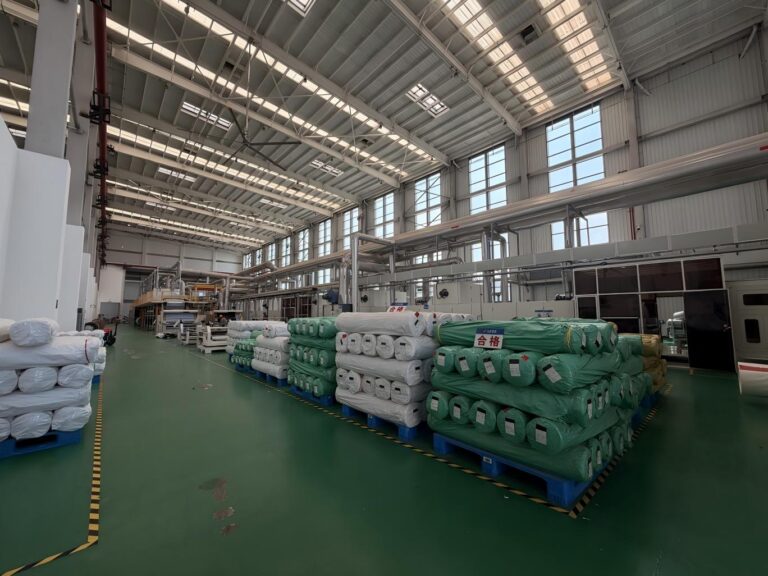
Uniform rolls, uniform pricing: synthetics quote by the meter because every meter performs the same.
Why Plant-Based Vegan Leather Cost Runs Higher
The premium is not marketing. Plant-based materials use agricultural feedstocks like cactus, apple, and pineapple waste, processed in small facilities that lack the scale of petrochemical lines. Next-generation bio leathers still quote $25-40 per square foot. Industry analysis expects those prices to fall by around 30% as capacity scales, but they remain a niche today at roughly 4% of the market.
Buyers should also expect higher minimums on custom bio grades. Sourcing guides put MOQs at 1,000-3,000 linear meters. That is a working-capital decision before the first unit ships. My rule after three collections: specify plant-based where the story sells the product, and standard grades where volume does.
The Five-Year Math That Decides the Program
Here is where the cheap quote gets complicated. Hides cut at 70-75% yield because scars and irregular shapes force waste. Uniform synthetic rolls cut at 95-99%, which industry analysts credit with a 15-20% gross margin improvement at scale. On my best-selling tote, the synthetic panel plan consumed measurably less material per unit than the hide plan ever did.

The quote covers one meter; the ledger covers five years of wear, replacement, and reordering.
Lifespan is the second variable. PU lasts 3-5 years in daily use against 10-20 or more for good hide, so replacement frequency narrows the gap in premium categories. For volume programs, though, the math flips the other way. Lower material cost, near-perfect cutting yield, and predictable supply beat longevity. Most buyers never realize that before resale. Run your own five-year ledger before signing, and the right answer usually names itself. Materials that disclose their chemistry up front, like the grades described in our eco-friendly silicone leather guide, make that ledger far easier to build.

Inventory is part of the cost too: MOQs and storage turn cheap meters into carrying charges.
What Vegan Leather Cost Really Buys
Vegan leather cost per meter is the smallest number on the sheet. What you are actually buying is cutting efficiency, supply stability, and a lifespan you must plan around. For my brand, standard PU won the volume line and the plant-based hybrid won the hero product, and neither decision came from the price column alone. Match the material to the program, and the cost takes care of itself. For end-use placement across bag and apparel lines, our fashion and sports applications page shows how each material earns its slot.
References
- https://www.lilalilabags.com/blog-truth-about-v… — PU-coated polyester ≈90% of vegan leather market, plant-based hybrids ≈4%; material cost per meter: PU $3-8, plant-based $8-20, genuine cowhide $15-30; typical lifespan 3-5 / 2-5 / 10-20+ years
- https://www.hh-mf.com/why-global-brands-are-qui… — genuine $4-12/sq ft vs PU/PVC $1.50-3.00 vs premium bio $25-40; cutting yield 70-75% vs 95-99%; 15-20% gross margin improvement at scale; bio prices projected -30% as capacity scales; MOQ 1,000-3,000 linear meters