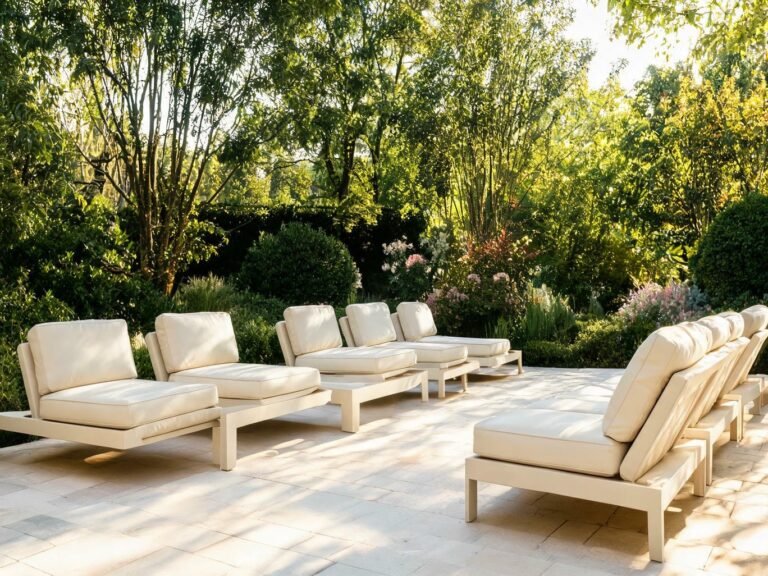
Natural grain leather has an aesthetic that no synthetic material has historically been able to match — the subtle pore patterns, the organic wrinkles, the way light plays across an unfinished surface. But for designers and specifiers working on commercial projects, natural grain leather carries a set of supply chain headaches that rarely show up in the showroom: inconsistent batches, hydrolysis in humid environments, and replacement cycles that wreck project economics. This guide breaks down what natural grain leather actually is, why it behaves the way it does, and what modern alternatives now offer for spec-driven applications.
What Makes Natural Grain Leather Different from Other Grades?
“Natural grain leather” refers to the visible surface texture of an animal hide — the pores, wrinkles, and fiber patterns that form naturally during the animal’s life. Unlike corrected-grain leather, which is sanded and embossed with an artificial pattern, natural grain leather preserves the hide’s original surface. This is why every piece looks slightly different: no two hides share the same pore distribution or wrinkle map.
The leather industry classifies grain quality into a hierarchy. Full grain retains the entire original surface layer, making it the most durable and most expensive grade. Top grain leather is sanded lightly to remove imperfections, then refinished. Genuine leather sits lower — it’s split into layers and often embossed with an artificial grain pattern. Below that, bonded leather is made from leather fibers glued together, offering minimal durability.

Lychee grain texture — one of the most popular natural grain patterns replicated in silicone leather
For B2B procurement, the practical implication is straightforward: the higher the grain grade, the more variable each batch will be. Full grain hides from different suppliers — even from the same tannery — will show visible differences in pore size, color absorption, and surface texture. This variability is a feature for luxury goods but a liability for commercial upholstery that needs visual consistency across hundreds of seats.
The Supply Chain Problem with Natural Grain Leather
Here’s what most grain leather guides don’t address: the logistical challenges of sourcing natural grain leather at commercial scale. Each hide is unique — different sizes, different thickness profiles, different defect patterns. A furniture manufacturer upholstering 500 hotel lobby chairs needs leather that looks and performs identically across every unit. With natural grain leather, that consistency is nearly impossible to guarantee.
Then there’s the hydrolysis problem. Natural leather — even full grain — absorbs moisture over time. In tropical or high-humidity environments, this leads to stiffening, cracking, and eventual surface breakdown within 3–5 years. For a hotel or hospital specifying leather upholstery, that means a full replacement cycle before the furniture frame itself reaches end of life.
From our project files: A hospitality client in Southeast Asia replaced natural leather sofa covers across 8 properties every 3 years — each cycle costing $120K+. After switching to silicone leather with natural grain embossing, the installed covers entered year 5 with no cracking, no color shift, and zero hydrolysis complaints.

Warm-tone lychee grain swatches — natural grain patterns can be precisely replicated in silicone
Natural Grain Leather vs Silicone Leather: A Specifier’s Comparison
The rise of silicone leather has changed the conversation around natural grain aesthetics. Using advanced embossing techniques with release paper technology, silicone leather can now replicate the look and tactile feel of natural grain leather — including lychee, ostrich, and fine cowhide patterns — while eliminating the material’s inherent weaknesses. The full silicone vs semi-silicone comparison shows how different production methods affect grain fidelity.
| Criterion | Natural Grain Leather | Silicone Leather (Grain-Embossed) |
|---|---|---|
| Visual Consistency | Variable per hide | Batch-to-batch identical |
| Hydrolysis Resistance | Poor — cracks in humidity | Immune — zero moisture absorption |
| Martindale Cycles | 30,000–60,000 | 100,000–200,000+ |
| Service Life (Commercial) | 3–7 years | 10–15+ years |
| VOC Emissions | Moderate (tanning chemicals) | Zero |
| Width Availability | Limited by hide size | Up to 1600mm continuous rolls |
| Grain Pattern Options | Fixed by source animal | 200+ embossed textures |
The key advantage of silicone leather for commercial grain applications isn’t just performance — it’s predictability. When you specify a grain pattern from TOPSUN’s texture design library, every meter you receive will match the approved sample exactly. No batch variation. No surprise color shifts. No “this hide doesn’t quite match” conversations with your client.
How release paper technology creates precise grain patterns in silicone leather — from lychee to ostrich to custom textures
How to Evaluate Grain Leather Quality for Your Next Project
Whether you’re specifying natural grain leather or a silicone alternative, the evaluation criteria for commercial projects should go beyond visual appeal. Here are the parameters that actually matter:
Color fastness under UV. Natural leather fades unevenly when exposed to sunlight — a significant problem for lobby furniture and automotive interiors. Silicone leather maintains color stability through 500+ hours of QUV testing without visible fading.
Cleanability and stain resistance. Natural grain leather requires regular conditioning and specialized cleaning products. Silicone leather can be cleaned with standard commercial disinfectants — a critical advantage for healthcare and hospitality applications where hygiene protocols are non-negotiable.

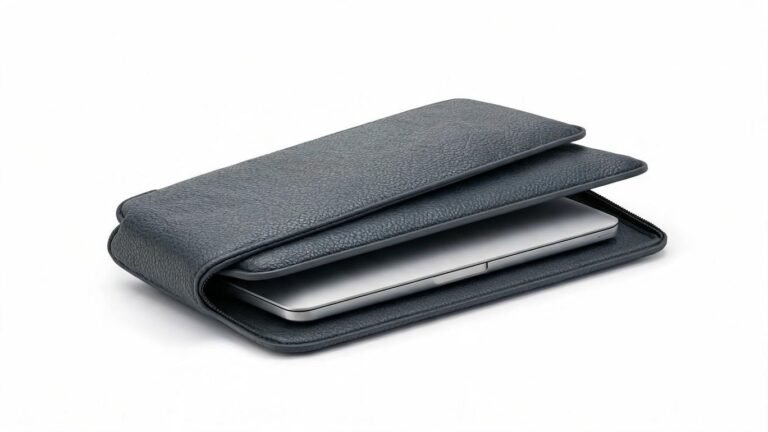
Soft-touch leather fold display — silicone leather achieves comparable hand feel with embossed grain patterns
Fire safety compliance. Natural leather’s fire performance varies widely depending on tanning methods. Silicone leather inherently meets EN 13773 and FAR 25.853 without chemical treatments — an important distinction for public seating and transport applications.
Supply chain transparency. With natural leather, traceability from hide to finished product is complex and often opaque. Silicone leather’s manufacturing process is fully documentable — from raw material sourcing to final QC — giving procurement teams the audit trail that modern compliance demands.

Grain-embossed silicone leather in a commercial furniture application — visual parity with natural leather
Frequently Asked Questions
What’s the actual difference between natural grain leather and full grain leather?
“Natural grain” describes the visible surface texture — the pores and patterns formed naturally on the hide. “Full grain” is a grade classification meaning the entire top layer is intact without sanding or correction. Full grain leather always shows natural grain, but not all natural grain leather is full grain — top grain and even corrected grain can be embossed to mimic natural patterns. The distinction matters when your spec calls for a specific durability level.
Can silicone leather really look identical to natural grain leather?
To the naked eye and touch, modern silicone leather with grain embossing is visually and tactilely indistinguishable from natural grain leather in most applications. The difference becomes apparent only under close inspection of edge finishing or when comparing long-term aging — where silicone maintains its appearance while natural leather begins to patina or crack. TOPSUN offers 200+ grain patterns including lychee, ostrich, and custom textures matched to client samples.
Is natural grain leather worth the premium for commercial upholstery?
For luxury residential or boutique hospitality where each piece is individually crafted and maintained, natural grain leather retains its appeal. For large-scale commercial projects — hotels, hospitals, airports, automotive — the batch inconsistency, hydrolysis risk, and shorter replacement cycles make grain-embossed silicone leather the more economical and reliable specification.
Grain Aesthetics Without the Grain Headaches
Natural grain leather will always have its place in luxury goods and artisanal craftsmanship. But for B2B projects that demand visual consistency, long service life, and predictable supply, the engineering has moved on. Silicone leather now delivers the grain patterns designers want with the performance data procurement teams need — batch after batch, year after year.
Schedule a Texture Consultation
About TOPSUN
TOPSUN specializes in grain-embossed silicone leather that replicates the visual and tactile qualities of natural grain leather — using release paper technology to create 200+ textures for furniture, automotive, and hospitality applications worldwide.
ISO 10993 · REACH · FDA certified | Custom texture matching from physical samples | 60,000㎡ production | 500,000+ m monthly output