Adding more fabrics sounds like growth. The numbers behind that growth tell a harder story. Unmanaged SKU complexity can inflate supply chain costs by up to 25%, according to Bain research. Inventory investment runs 20 to 50 percent higher than a rationalized catalog producing the same revenue. And most line reviews find that 20 percent of items drive 80 percent of revenue. More fabric options can still be the right move. This article shows when adding fabrics builds a brand, when it builds a warehouse problem, and how a platform approach carries the variety without the sprawl.
The Hidden Cost of More Fabrics
Every new swatch card looks free on the day it is approved. The cost arrives later, in increments nobody owns. Each added variant means another bin location, another replenishment rule, another forecast that runs on thin demand data. Safety stock rises per SKU because each item sells slower and predicts worse. The warehouse charges for all of it.
Supply chain research puts a number on the pattern. SKU proliferation increases total inventory investment by 20 to 50 percent compared with a rationalized assortment generating the same revenue. Bain’s finding points the same direction: unmanaged SKU complexity inflates supply chain costs by as much as 25%, as a persistent drag rather than a one-time hit. Companies that fix it can cut supply chain expenditures by up to 50% and lift margins by 3 to 5 percentage points.
The diagnostic is simple enough for a quarterly meeting. Run a Pareto view of your catalog. If 20 percent of SKUs produce 80 percent of revenue, and the bottom half produces less than 5 percent, the catalog has a proliferation problem. Fabric brands feel this in a specific way: the long tail is full of colorways that photographed well and shipped twice.
The long tail also hides its cost in small places. A slow colorway still needs a bin, a label, and a cycle count. It occupies a slot a fast seller could use. Forecasters spend attention on it every month. Procurement splits purchase volume across more line items, and negotiation leverage thins with every split. None of these costs appears on the quote that approved the color. They surface later as carrying cost, and they persist.

A swatch wall is a promise. Warehousing is where the promise gets priced.
What Line Extension Does to a Brand
Extension is not the enemy. Unplanned extension is. Marketing research on product-line strategy names the failure modes clearly: cannibalization of the core, dilution when the new item does not fit the brand identity, and manufacturing complexity that compounds with every added variant. Extensions that contradict core brand attributes can measurably damage the parent brand.
The positive case is just as documented. Horizontal extensions inside one price tier, and vertical extensions that reuse proven platforms, share a common trait. They borrow strength from what already works. A furniture brand that earned trust on a durable, cleanable surface can extend that trust to a new color range far more cheaply than it can extend into an unrelated material story. The brand equity travels along the chemistry, not along the catalog count.
Vertical extension follows the same rule one tier up. A brand that sells to hotels can step into senior living with the same surface family and a new certificate file. The audience changes. The chemistry does not. Each step reuses the base platform and adds only the documents the new market requires. That is why the extension feels cheap to the buyer and stays cheap to the warehouse.
That is the insight most line reviews miss. Buyers of furniture and sofa upholstery are not asking for a thousand fabric options. They are asking for one surface family they can trust, rendered in enough variety to fit the room. The variety question and the trust question have different answers, and different costs.

Variety in display is free. Variety in inventory is not.
More Fabrics Without More SKUs: The Platform Play
The escape from the sprawl is a platform, not a bigger catalog. A platform is one validated base construction that carries many surfaces. At our own facility, one silicone-coated platform supports 100+ embossed textures and Pantone or RAL color matching, because texture and color sit on top of the base instead of multiplying it. The test file behind the platform stays valid across the range.
The economics work because the platform absorbs the complexity. Validation, flame certificates, and abrasion data attach to the base construction. A new colorway inherits the file and only adds a fastness check. A new grain inherits the chemistry and only adds a visual spec. Compare that with a conventional extension, where every new fabric rebuilds the whole document stack from zero.
Service terms matter as much as chemistry. A 500-meter MOQ lets a brand pilot a new colorway without betting a warehouse slot on it. Seven-to-fifteen-day delivery turns a hunch into data inside one season. Custom OEM and ODM programs extend the same logic to structure, not just surface.
Inventory behaves differently under a platform. Stock concentrates in base constructions that all move, instead of spreading across hundreds of slow colorways. Fewer active items forecast better, so safety stock per item falls. The warehouse picks the same order lines from tighter slots. Planning teams manage exceptions on fewer records. Every one of those effects compounds quarterly, in the direction of margin.
Sustainability platforms work the same way. One eco-certified base carries an entire range, and the eco-friendly silicone leather page documents what that base certifies.
One platform, many surfaces: OEM and ODM customization in 60 seconds.
Platform thinking also explains the difference between two silicone families that look similar on a swatch wall. Our full versus semi silicone comparison breaks down where the platforms separate, and why the separation matters more for a buyer’s cost file than any single colorway decision.

A tight sample rack with a wide chemistry file beats the opposite.
A Checklist for Your Next Line Review
Bring this list to the meeting where the new swatch cards get approved:
1. Revenue check: does the trailing 12-month Pareto show the bottom half of the catalog below 5 percent of revenue?
2. Zombie scan: is there a written threshold that flags low-volume, low-margin items for retirement, or does the tail only grow?
3. Inheritance test: does the proposed fabric reuse a validated platform’s test file, or does it demand a full new document stack?
4. Pilot terms: can the new colorway run at a 500-meter MOQ inside a two-week window, or does it force a full production bet?
5. Identity check: does the extension reinforce the attribute the brand is known for, or dilute it into an unrelated story?
Five yes answers clear the way. Two or more misses mean the addition will cost more than it shows, and the quarter will pay for it quietly.
One more note belongs with the checklist. Governance beats enthusiasm over time. A quarterly review with sales, operations, and finance in one room settles additions faster than any single meeting. The rule that flags the tail should have an owner. The rule that approves a new colorway should cite the platform file it inherits. Written rules survive staff turnover; good intentions do not. Owners change; the catalog should not depend on them.
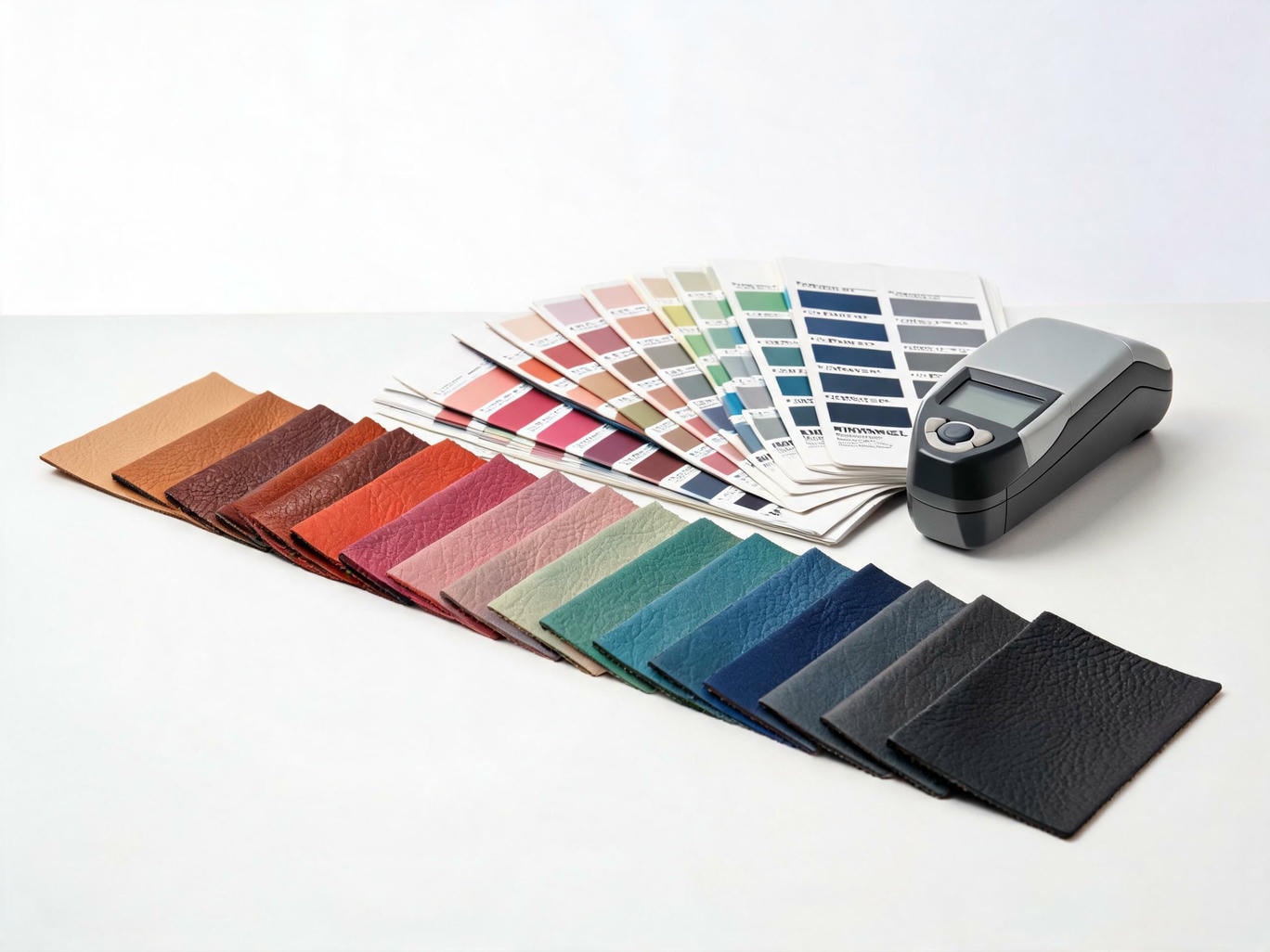
Color breadth is a decision, not an accident of ordering.
Frequently Asked Questions
How many SKUs are too many for a fabric brand?
The count matters less than the shape. A Pareto diagnostic is the working standard. If 20 percent of SKUs generate 80 percent of revenue, and the bottom 50 percent contribute under 5 percent, the catalog has significant proliferation. The absolute number never decides by itself.
What is a zombie SKU?
An item that stays on the books, gets forecasted and replenished, and contributes almost nothing. The practical fix is a written rule: flag any SKU below a set unit volume over twelve months and below a set margin contribution. The threshold values matter less than having a rule at all.
How does platform customization reduce SKU count?
It moves variety onto the surface. One validated base construction carries textures, colors, and finishes, so each new look inherits the base’s test file instead of rebuilding it. The catalog lists fewer items while the offering covers more options, and inventory concentrates in constructions that all move.
Extend Where the Chemistry Already Works
Variety belongs in the surface, not in the warehouse. Every expansion decision gets easier when the platform carries the complexity and the checklist carries the discipline. More fabrics can be the best decision a brand makes this year, provided the catalog pays for variety once instead of storing it forever.
The arithmetic behind that sentence is not poetic. Platforms reuse certificates across a whole range. Pilots run at 500 meters instead of full production bets. Fast delivery converts a seasonal guess into sell-through data. Each mechanism turns variety from an inventory position into a configuration choice. That is the whole difference between a line that grows and a warehouse that grows.
Request Platform Samples and Test Files
Talk to Our Line-Extension Team
References
1. https://www.warematch.com/encyclopedia/sku-prol… – SKU proliferation raises inventory investment 20-50% vs a rationalized catalog; Pareto diagnostic thresholds (2026)
2. https://betterdemand.ai/blog/sku-rationalizatio… – Bain research: unmanaged SKU complexity inflates supply chain costs up to 25%; optimization cuts spend up to 50% (2026)