A mirrored leather handbag shines under the boutique display light. The surface is flawless — a perfect metallic reflection that catches every curve and contour. Six months later, that same handbag has micro-scratches across the high-contact areas. The metallic pigment has begun oxidizing where fingers grip the handle. The reflective surface has developed a cloudy haze where the coating is separating from the base material. This isn’t wear and tear. It’s a fundamental design flaw in how mirrored leather is manufactured — the reflective effect depends on a surface coating that’s inherently more fragile than the material beneath it. For brands exploring silicone leather for fashion applications, understanding this failure mechanism is the first step toward specifying materials that maintain their finish.
How Mirrored Leather Is Made: The Coating Problem
Mirrored leather achieves its reflective surface through one of three manufacturing methods, each with a critical vulnerability that determines how long the mirror effect lasts.
- Metallic Foil Lamination — A thin metal foil (aluminum, silver, or gold-tone) is heat-laminated to the surface of PU or PVC leather. The foil creates a true mirror reflection, but it’s approximately 0.01-0.05mm thick — thinner than a human hair. Any contact sharper than a fingernail can scratch through to the base material. Once scratched, the foil cannot be repaired.
- Metallic Pigment Coating — Metallic pigments (mica, aluminum flakes, or bronze powder) are mixed into a clear polyurethane topcoat and applied as a surface layer. The effect is less mirror-like and more pearlescent, but the coating is still a surface application — vulnerable to abrasion, UV oxidation, and delamination. Per ISO 105-B06 color fastness testing, metallic pigment coatings show visible fading within 500-800 hours of UV exposure.
- Holographic Film Transfer — A holographic film is transferred onto the leather surface using heat and pressure. Creates iridescent, color-shifting effects popular in 2026 fashion trends. But the transferred film has minimal adhesion depth — it sits on the surface like paint on a wall. Flexing, folding, and creasing cause the film to crack and flake at stress points.
The common problem across all three methods: the mirror effect is a surface application, not an integral property of the material. The reflective layer sits on top of the leather, exposed to every form of mechanical and environmental stress. For a deeper comparison, see our silicone vs PU analysis — the same base material vulnerabilities that destroy PU leather also destroy the mirror coating on top of it.
Mirrored Leather Performance: Coating vs. Embedded Metallic
The distinction between surface-applied metallic coatings and embedded metallic pigments is the difference between a finish that lasts 6 months and one that lasts 10 years. Here’s how the manufacturing methods compare across the performance metrics that determine real-world longevity. For context on surface finish options, see our leather texture customization guide.
| Mirrored Leather Type | Coating Method | Scratch Resistance | UV Stability | Coating Adhesion | Service Life |
|---|---|---|---|---|---|
| Foil-Laminated PU | Metal foil on surface | Very poor (0.01mm foil) | Oxidizes in 6-12 months | Delaminates with flexing | 6-12 months |
| Pigment-Coated PU | Metallic pigment in PU topcoat | Poor (surface coating) | Fades in 500-800 hrs UV | Moderate, degrades with hydrolysis | 1-2 years |
| Holographic PVC | Film transfer | Poor (cracks at flex points) | Film yellows in UV | Flakes at crease lines | 6-18 months |
| Silicone w/ Metallic | Pigment embedded in polymer | 200,000+ Martindale | 1,000+ hrs, no fading | Integral (no coating) | 10+ years |
The mirror effect in PU and PVC leather is a coating applied to the surface. The metallic effect in silicone leather is pigment embedded throughout the polymer matrix. One sits on top and degrades. The other is integral and permanent.

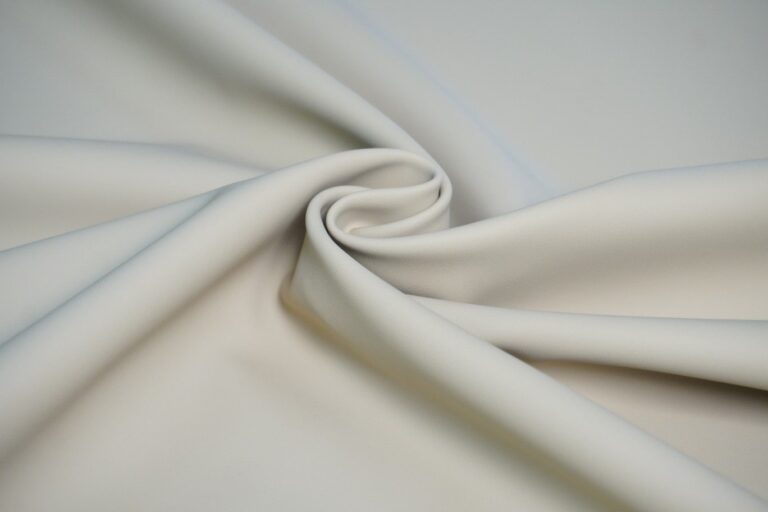
Metallic finish silicone leather samples — pigment embedded in polymer, not coated on the surface.
The Oxidation Problem: Why Metallic Finishes Cloud
Metallic mirror finishes cloud over time because the metal particles in the coating oxidize when exposed to oxygen, moisture, and UV light. Aluminum foil lamination is particularly vulnerable — aluminum oxidizes rapidly when the protective lacquer layer wears off, creating aluminum oxide (the same dull gray powder you see on old aluminum window frames). The result is a reflective surface that becomes progressively cloudy and dull.
This oxidation process is accelerated by the same environmental factors that degrade the PU or PVC base material. Heat from a car interior or display lighting speeds up the oxidation reaction. UV light breaks down the clear topcoat that protects the metallic layer, exposing it directly to oxygen. Humidity provides the water molecules that catalyze the oxidation. The mirrored leather fails not from one cause, but from the simultaneous attack of all three — and the base material degradation means the coating loses adhesion at the same time it’s oxidizing.
Silicone leather with metallic pigments avoids this problem because the pigment particles are encapsulated within the silicone polymer matrix. Oxygen and moisture cannot reach the pigment because the silicone polymer itself forms a barrier — the same property that makes silicone inherently water-resistant and UV-stable. The metallic effect doesn’t cloud because the pigment never oxidizes. For 2026 design trends, see our customization trends overview.
Silicone Mirrored Leather: Metallic Finish Without the Coating
TOPSUN’s silicone leather achieves metallic and mirrored effects through pigment integration, not surface coating. Metallic pigments — including silver, gold, bronze, and pearlescent shades — are mixed directly into the liquid silicone before the solvent-free dry coating process. When the silicone cures, the pigments are locked into the polymer matrix at the molecular level. There is no coating layer to scratch off, oxidize, or delaminate.
The result is a metallic finish that maintains its reflective properties for 10+ years — the same service life as the base silicone leather itself. The finish doesn’t degrade because there’s nothing to degrade: the pigment is part of the material, not applied to it. Per ISO 12947-2 Martindale testing, the metallic surface shows no pigment loss or reflectivity change even after 200,000+ abrasion cycles.
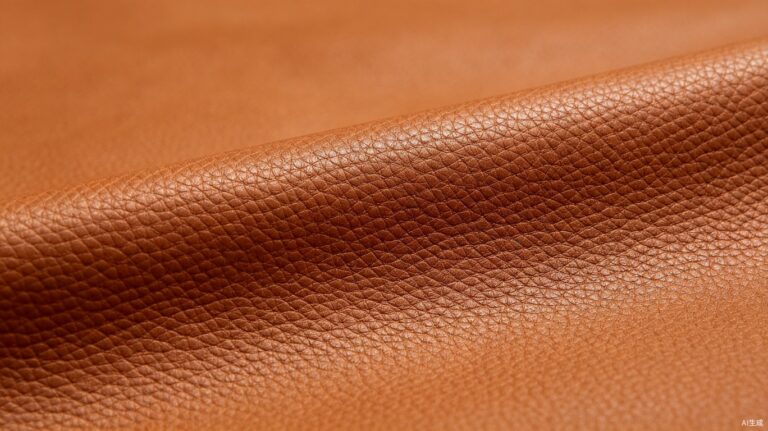
Silicone leather surface finishes — metallic pigments embedded in polymer, not applied as a coating.
Specifying Mirrored Leather: A 5-Point Quality Checklist
For procurement teams sourcing mirrored leather, the specification process must distinguish between surface-coated metallic finishes and polymer-integrated metallic pigments. These five questions separate finishes that last 6 months from finishes that last 10 years.
- 1. Is the metallic effect a coating or an integral pigment? — Ask the supplier for a cross-section photo. If the metallic layer is a distinct layer on top of the base material, it’s a coating that will fail. If the pigment is distributed throughout the polymer matrix, it’s integral.
- 2. What is the Martindale abrasion rating of the metallic surface? — Surface-coated mirror leather typically tests at 10,000-25,000 cycles before the coating wears through. Silicone with embedded pigments tests at 200,000+ cycles with no reflectivity loss.
- 3. What is the UV color fastness per ISO 105-B06? — Metallic coatings fade and oxidize within 500-800 hours. Silicone-integrated metallic pigments show no change after 1,000+ hours.
- 4. Does the finish crack at flex points? — Fold the sample 180° at a crease line. Foil and film transfers crack immediately. Pigment-coated PU develops hairline cracks within 5-10 flex cycles. Silicone with embedded pigments shows no cracking after 50,000+ flex cycles.
- 5. Can the supplier provide a 12-month outdoor exposure test report? — Not accelerated testing — actual outdoor exposure data. If the supplier can’t provide it, the finish longevity claims are theoretical, not verified. Our custom texture design service includes metallic finish development with full testing documentation.
About TOPSUN
TOPSUN manufactures silicone leather with metallic and mirrored finishes achieved through pigment integration — not surface coating — producing reflective surfaces that maintain their finish for 10+ years without scratching, oxidizing, or clouding.
Silver, gold, bronze, and pearlescent metallic options. 200,000+ Martindale cycles. 1,000+ hours UV stability. Pantone-matched color accuracy with Delta E ≤ 1.0. Free A4 swatches shipped worldwide via DHL/FedEx.
Frequently Asked Questions
How long does mirrored leather maintain its reflective finish?
Surface-coated mirrored leather (foil lamination, pigment coating, or holographic film transfer) typically maintains its reflective finish for 6-18 months before showing visible scratching, oxidation, or clouding. Silicone leather with embedded metallic pigments maintains its finish for 10+ years because the pigment is integrated into the polymer matrix — there’s no surface coating to degrade, no metallic particles exposed to oxygen, and no adhesion layer to delaminate.
Can mirrored silicone leather be used for automotive interiors?
Yes. Silicone leather with metallic finishes is fully compatible with automotive interior applications. The 250°C heat resistance handles dashboard and door panel temperatures without coating degradation. The 1,000+ hour UV stability prevents the metallic finish from fading or clouding under windshield sun exposure. And the 200,000+ Martindale rating ensures the finish survives daily contact without scratching. Surface-coated mirror leather cannot pass these requirements — the coating would degrade within the first year of automotive use.
The Mirror That Doesn’t Cloud
Mirrored leather fails because the manufacturing method that creates the reflective effect — applying a metallic coating to the surface — is the same method that guarantees its destruction. The coating sits on top, exposed to every form of stress, with no protection from the base material beneath it.
Silicone leather solves this by making the metallic effect an integral property of the polymer, not a coating applied to it. The pigment doesn’t oxidize because it’s encapsulated. The finish doesn’t scratch off because there’s nothing to scratch. The reflection doesn’t cloud because there’s no coating to degrade. For brands that need mirrored leather to look as good in year five as it does on day one, the chemistry makes the decision.