Buyers no longer accept off-the-shelf materials. Leather customization trends 2026 reveal a decisive shift across every major market. Brands now demand bespoke leather that matches exact color codes, texture profiles, and performance specifications. Speed matters just as much as quality. Today’s market rewards suppliers who deliver personalized leather in weeks, not months. Sustainability has also moved from a nice-to-have bullet point to a core procurement requirement.
The global leather goods market reached $71.29 billion in 2024. North America holds 35.85%. Europe claims 35.48%. China accounts for 11.59%. These figures tell one story: demand is massive. But the deeper story is about expectations. Buyers now want custom leather design at scale. They want brand-exclusive finishes without brand-exclusive lead times. This article explores how personalization, speed, and sustainability are reshaping B2B leather sourcing in 2026.
The Rise of Bespoke Leather in 2026
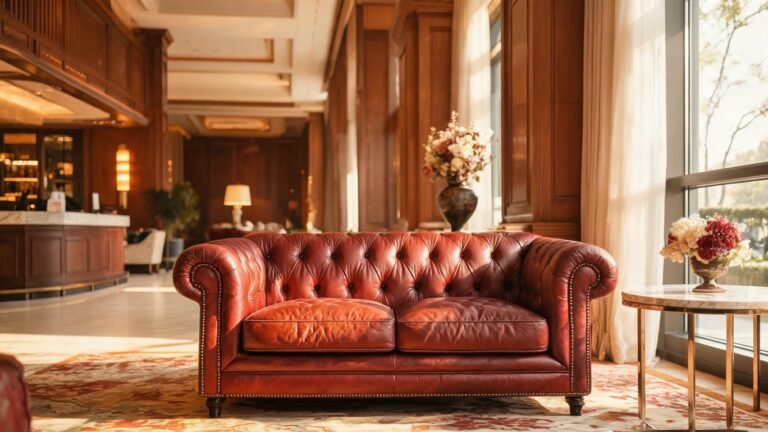
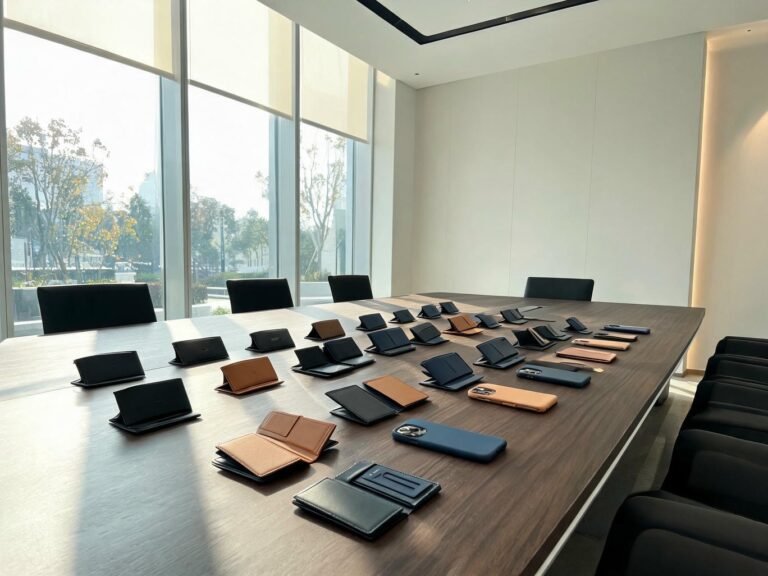
Mass production is losing its grip. In 2026, personalized leather is not a luxury term. It is a baseline expectation. Automotive brands want interior materials that match Pantone-perfect accent stitching. Furniture makers need custom leather design with unique grain patterns. Even fashion houses are ordering made-to-measure leather in batch sizes once considered unprofitable.
The Italian market proves this shift. Despite a 3.7% export drop in Q1 2026, average export prices rose 9.9%. Buyers are paying more for differentiation. They want products that stand out on shelves and in showrooms. Generic stock lots no longer justify premium pricing. Texture customization is now the fastest-growing segment in B2B leather sourcing.
At TOPSUN, we see this daily. Our clients request thicknesses from 0.23 mm to 3.0 mm. They choose Nappa softness or bold Grain textures. They want brand-exclusive finishes that competitors cannot copy. Bespoke leather is now the standard, not the exception. If your supplier only offers a fixed catalog, you are limiting your own product team’s creativity.

Speed-to-Market: On-Demand Manufacturing
Customization once meant long lead times. Not anymore. Leather customization trends 2026 emphasize speed as much as uniqueness. Flexible manufacturing and digital prototyping now enable small-batch production without penalizing buyers on price or timeline. This shift is critical for B2B procurement teams facing compressed launch cycles.
Seasonal collections arrive faster. Automotive model refreshes happen every 18 months instead of every five years. If your leather supplier cannot match Pantone codes and ship within four to six weeks, you are already behind. On-demand leather production relies on modular coating lines and smart scheduling. We run four coating lines, three lamination lines, and two embossing lines. This setup lets us switch textures and colors rapidly. We do not force buyers into massive minimum order quantities.
See how TOPSUN’s modular production lines enable rapid color and texture switches for custom orders.
Key Insight: A 2024 Statista report confirms the global leather goods market at $71.29 billion. The brands capturing this growth are those offering speed plus personalization.
Sustainability Meets Customization
Here is the challenge: custom orders can create waste. Small batches often mean higher per-unit resource use. Smart suppliers solve this with advanced material science. Silicone-based leather reduces VOC emissions. It eliminates plasticizers and solvents. It lasts longer, which cuts replacement cycles and landfill volume.
Sustainability is now a hard buying criterion. A McKinsey State of Fashion report notes that over 60% of fashion executives rank environmental impact among their top three sourcing priorities. Leather personalization must align with these values. Buyers want custom colors and textures. They also want clean chemistry and end-of-life recyclability.
Silicone leather technology offers both. It supports unlimited color matching without toxic dye baths. It performs under UV exposure, salt spray, and extreme temperatures. For B2B buyers, this means brand differentiation plus regulatory compliance. That is a powerful combination for any product manager.
Technology Driving Leather Personalization
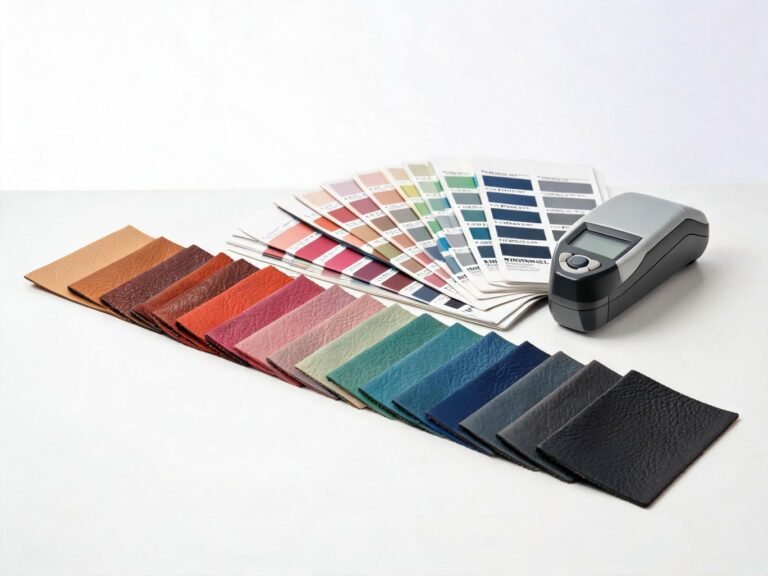
Digital tools are rewriting the rules. AI-powered color matching now hits Delta E accuracy below 1.0. Cloud-based texture libraries let designers preview embossing patterns on screen before committing to production. Barcode and batch tracking ensure every custom roll is traceable from base fabric to finished goods.
These advances remove guesswork. In the past, buyers mailed physical swatches back and forth. Lead times stretched for months. Today, a sourcing manager can select a texture, approve a digital proof, and lock specifications in days. This is how modern leather color customization should work.
Technology also improves consistency. When brands reorder a custom formulation six months later, digital recipe archives guarantee batch-to-batch uniformity. That reliability builds trust. Trust builds long-term partnerships. In our experience, buyers who test digital-first workflows rarely return to the old swatch-by-mail process.
What B2B Buyers Should Look for in a Custom Leather Partner
Not every supplier can deliver true customization. Here is what separates real manufacturing partners from catalog resellers:
- Production control: Do they own their lines? Four coating lines and dedicated embossing capacity mean real flexibility, not outsourced delays.
- Color precision: Can they match Pantone and RAL systems with lab-grade accuracy? Ask for Delta E reports.
- Texture range: Do they offer everything from smooth Nappa to deep Grain? Can they develop brand-exclusive patterns under NDA?
- Certifications: Look for REACH, RoHS, and ISO 10993. These matter for automotive, medical, and children’s applications.
- Scale with agility: Annual capacity matters, but so does willingness to run small development batches. We produce 6 million meters yearly. We also welcome 500-meter test orders.
Always ask for physical samples. Test them in your actual end-use conditions. A trustworthy supplier will not hesitate. Review their custom production capabilities before you commit.
| Capability | TOPSUN Specification | Why It Matters |
|---|---|---|
| Thickness Range | 0.23 mm – 3.0 mm | Covers automotive to electronics |
| Color Matching | Pantone / RAL / Custom | Brand consistency across batches |
| Texture Options | Nappa to Grain + Custom | Differentiated tactile experience |
| Annual Capacity | 6 Million Meters | Scales from test to mass production |
| Patents | 233 Patents | Proprietary technology advantage |
Your Next Move: Turn Trends Into Product Advantage
Leather customization trends 2026 point in one clear direction. Buyers want personalized leather. They want it fast. They want it clean. Suppliers who combine flexible production, digital precision, and sustainable chemistry will win the next wave of B2B contracts. The market is crowded. Generic materials are commoditized. Customization is your edge.
Choose a partner who can deliver bespoke leather at the speed your business demands. Look for real production assets. Demand sample validation. Verify certifications. The brands that act now will define the product standards for 2027 and beyond.
About TOPSUN
TOPSUN is a leading silicone leather manufacturer serving global B2B markets. We specialize in custom color, texture, and thickness solutions for automotive, furniture, medical, fashion, and marine applications. With 233 patents, 4 coating lines, 3 lamination lines, and 2 embossing lines, we deliver made-to-measure leather with lab-grade precision. Our annual capacity reaches 6 million meters.
Certifications: REACH, RoHS, FDA, ISO 10993 | Color Matching: Pantone / RAL / Custom | Thickness: 0.23 mm – 3.0 mm