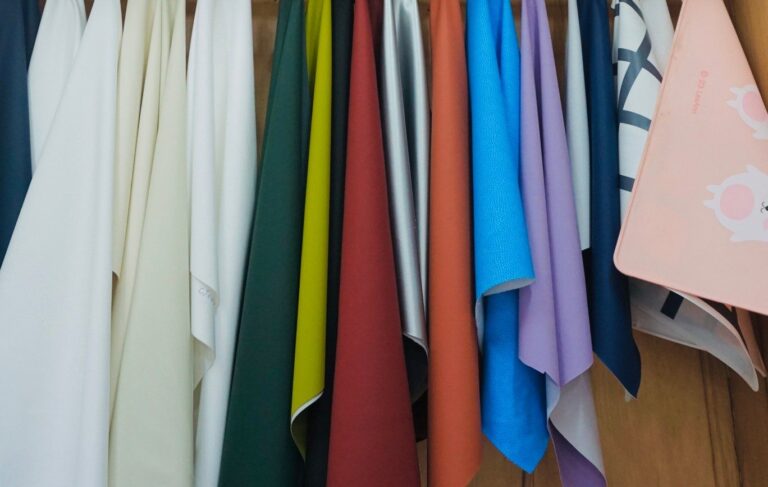
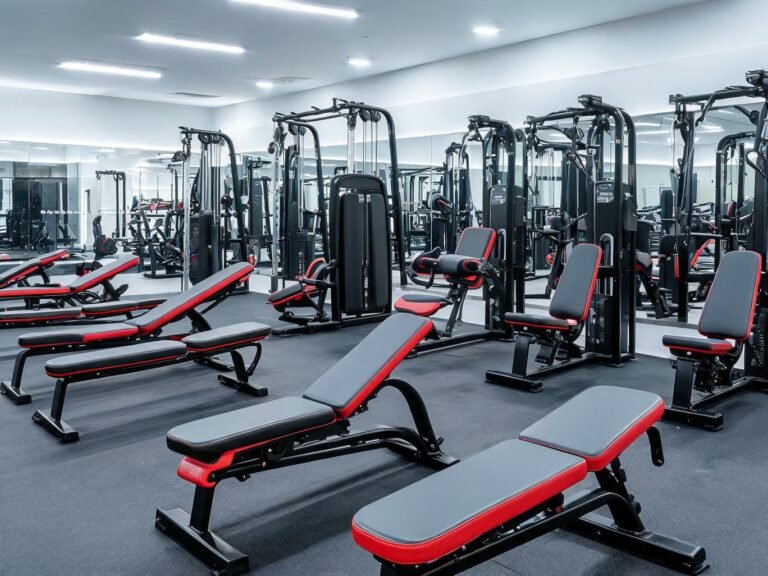
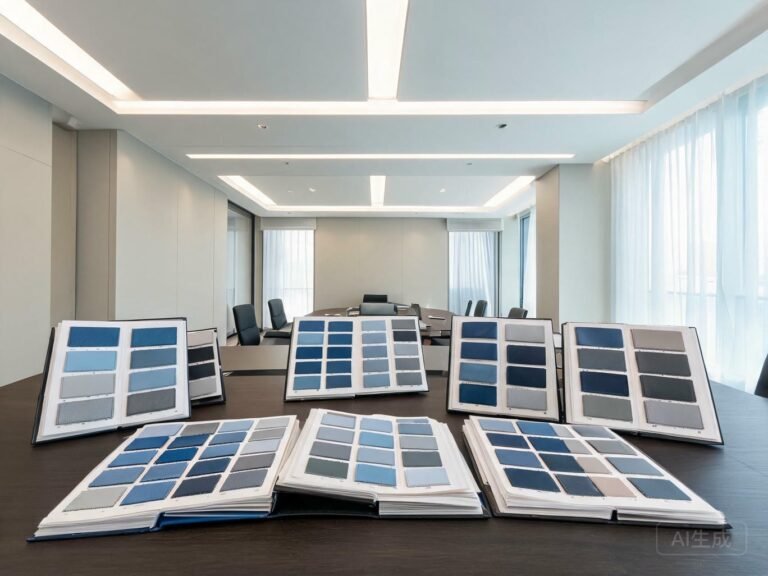
A procurement manager visits a leather supplier’s factory in Dongguan. The showroom displays perfect swatches — uniform color, smooth grain, flawless surface. The production floor runs 10 automated lines with pristine equipment. But when the manager asks to see the testing laboratory, the guide walks past a locked door and says, “We test samples at a third-party lab when requested.” That locked door — or the absence of a test lab entirely — is where 90% of field failures originate. The machine for leather testing that a supplier owns (or doesn’t own) determines whether the material will perform as specified or fail within 18 months. Six equipment types define the difference.
Machine for Leather: 6 Equipment Types That Define Quality
Leather testing equipment falls into three categories: physical (strength and flexibility), durability (wear, UV, hydrolysis), and chemical (VOC, formaldehyde, restricted substances). Each machine simulates a specific field failure mode, and together they predict 90% of the performance issues that occur in commercial and automotive applications. The six machine types below represent the minimum equipment inventory that a qualified leather supplier should maintain in-house.
1. Martindale Abrasion Tester (ISO 12947-2) — Simulates daily wear through circular rubbing motion. The industry standard for abrasion resistance testing, available in 2, 5, and 9-station configurations. PU leather typically fails at 30,000-50,000 cycles; silicone leather exceeds 200,000 cycles. A supplier without a Martindale tester cannot verify abrasion claims.
2. Xenon Arc UV Weathering Chamber (ISO 105-B06) — Simulates sunlight exposure under controlled temperature and humidity. The chamber accelerates years of UV exposure into hundreds of hours, measuring color shift (Delta E) over time. PU leather reaches Delta E 3.0 in 200-400 hours; silicone leather maintains Delta E ≤ 1.0 after 1,000+ hours. UV resistance testing is the single most predictive test for field fading.
3. Flexing Tester (ISO 5402) — Simulates the repeated bending that occurs at seat edges, armrests, and door panel corners. The machine flexes a sample to a specified angle (usually 22.5° or 45°) at thousands of cycles per hour. PU leather cracks at 15,000-20,000 cycles; silicone leather withstands 50,000-100,000+ cycles without surface damage.
4. Tensile Testing Machine (ISO 3376) — Measures tensile strength and elongation at break. The machine pulls a standardized dumbbell-shaped sample until failure, recording maximum force and percentage elongation. This data reveals whether the material can withstand the stresses of stretching, wrapping, and stapling during furniture and automotive upholstery manufacturing.
5. Crockmeter / Color Fastness Tester (ISO 105-X12) — Rubs a standardized white cloth against the leather surface under specified pressure to measure color transfer. Dry and wet crocking tests determine whether the dye will transfer to clothing — a primary complaint driver for furniture and automotive interiors. The pass threshold for commercial applications is Grade 4-5.
6. Salt Spray Chamber (ISO 9227) — Exposes the sample to a salt fog environment for 1,000+ hours to simulate marine and automotive corrosion conditions. This test is critical for marine upholstery, automotive interiors, and any application where the material contacts metal frames or fasteners. Comprehensive durability testing requires salt spray data for marine and automotive specifications.
Martindale Abrasion Tester: The Machine Most Buyers Ignore
The Martindale abrasion tester is the single most important machine for leather quality evaluation, yet it’s the machine most procurement teams never ask about. The test protocol, defined under ISO 12947-2, applies a standardized abradant fabric to the leather surface in a Lissajous pattern at 9 kPa pressure. The sample is inspected at intervals — typically 10,000, 25,000, 50,000, 100,000, and 200,000 cycles — for signs of surface breakdown, coating removal, or substrate exposure.
The data this machine produces directly predicts service life. A material that fails at 25,000 Martindale cycles will show visible wear within 12-18 months of daily commercial use. A material that passes 200,000 cycles will maintain surface integrity for 10+ years. The ISO 105-B06 and ISO 12947-2 standards define the testing parameters that procurement teams should reference when requesting abrasion data from suppliers. A supplier that claims “high durability” without Martindale data from an in-house or accredited lab is making an unverifiable claim.
UV Weathering Chamber: Predicting Field Failure in 1,000 Hours
The xenon arc UV weathering chamber compresses years of sunlight exposure into hundreds of laboratory hours. The chamber simulates full-spectrum sunlight (including UV, visible, and infrared), with controlled temperature (38-63°C) and humidity (50-95% RH) cycling. Samples are evaluated at intervals using a spectrophotometer to measure color shift (Delta E) against the original color reference.
The correlation between chamber hours and field exposure varies by climate, but a widely accepted approximation is that 1,000 hours of xenon arc exposure equals 3-5 years of indoor commercial use near windows, or 1-2 years of outdoor exposure. For automotive interiors, where windshield-filtered UV is intense, the chamber data is even more critical. A material that shows Delta E > 3.0 at 500 hours will visibly fade within the warranty period for most automotive and furniture applications.
Flexing Tester and Tensile Machine: The Flex-Crack Data
Flex cracking and tensile failure are the two most common structural failures in upholstered products. The flexing tester (ISO 5402) repeatedly bends the leather sample, while the tensile machine (ISO 3376) pulls it until failure. Together, these two machines define whether the material will survive the mechanical stresses of manufacturing (stretching, stapling, wrapping) and daily use (seating, leaning, bending at edges).
For furniture and automotive applications, the minimum pass thresholds are: flex resistance ≥ 50,000 cycles (no visible cracking), tensile strength ≥ 10 N/mm, tear strength ≥ 15 N, and elongation at break ≥ 250%. These values ensure the material can be upholstered without tearing and will withstand the daily flexing that occurs at seat edges and armrest joints. Silicone leather abrasion and flex testing consistently exceeds these thresholds, with flex resistance of 50,000-100,000 cycles and tensile strength of 10-15 N/mm.
Machine for Leather: What Your Supplier’s Test Lab Should Have
The table below summarizes the six machine types, their testing standards, what they test, and the pass thresholds for commercial and automotive applications. Use this as a checklist when auditing a supplier’s testing capabilities.
| Machine | Standard | What It Tests | Pass Threshold |
|---|---|---|---|
| Martindale Tester | ISO 12947-2 | Abrasion resistance | ≥ 100,000 cycles (commercial), ≥ 200K (automotive) |
| UV Chamber | ISO 105-B06 | Color fastness to light | Delta E ≤ 3.0 at 500+ hours |
| Flexing Tester | ISO 5402 | Flex cracking resistance | ≥ 50,000 cycles, no cracking |
| Tensile Machine | ISO 3376 | Tensile strength, elongation | ≥ 10 N/mm, ≥ 250% elongation |
| Crockmeter | ISO 105-X12 | Color rub fastness | Grade 4-5 (dry and wet) |
| Salt Spray Chamber | ISO 9227 | Corrosion resistance | 1,000+ hours, no degradation |
A supplier that owns all six machines and conducts regular in-house testing can provide real-time quality verification for every production batch. A supplier that relies entirely on third-party testing — sending samples out and waiting weeks for results — cannot maintain consistent quality control across production runs. TOPSUN’s in-house testing laboratory houses all six machine types, with SGS and Intertek certification verifying the accuracy of test results. Production capacity of 500,000+ meters monthly across 10+ automated lines is backed by real-time testing data, not periodic third-party spot checks.
The machine for leather testing that your supplier owns determines the quality ceiling of the material you receive — no amount of marketing can compensate for a locked laboratory door.
Frequently Asked Questions
What machines are used to test leather quality?
Six primary machines define leather quality testing: Martindale abrasion tester (ISO 12947-2), xenon arc UV weathering chamber (ISO 105-B06), flexing tester (ISO 5402), tensile testing machine (ISO 3376), crockmeter for color fastness (ISO 105-X12), and salt spray chamber (ISO 9227). Together, these machines test abrasion resistance, UV stability, flex cracking, tensile strength, color transfer, and corrosion resistance — the six failure modes that predict 90% of field performance issues.
Why does the Martindale machine matter for leather?
The Martindale abrasion tester is the single most predictive machine for leather service life. It simulates daily wear through controlled circular rubbing at standardized pressure, measuring how many cycles the material can withstand before surface breakdown occurs. PU leather typically fails at 30,000-50,000 cycles (12-18 month service life), while silicone leather exceeds 200,000 cycles (10+ year service life). A supplier without a Martindale tester cannot verify abrasion resistance claims, making all durability marketing unverifiable.