People love leather. They love the way it feels under their fingertips, the way it ages gracefully (or at least, it’s supposed to), the way a leather handbag or sofa signals quality without saying a word. But here’s the tension that every brand faces in 2026: consumers still love leather, yet increasingly reject what goes into making it — the animal welfare concerns, the toxic tanning chemicals, the environmental damage. The question for designers and product teams isn’t whether people will continue to love leather. They will. The question is how to deliver that experience without the ethical baggage. That’s where silicone leather changes the equation entirely.
Feel the Difference — Free Samples
The Sensory Appeal: Why We Love Leather’s Touch and Feel
What makes us reach out and touch leather? It’s a combination of tactile cues that our brains process in milliseconds: the slight give when you press, the warmth that builds under your palm, the subtle grain pattern that catches light differently at every angle. These sensory signals tell us “quality” before we’ve consciously read a single label or price tag. Brands understand this — it’s why a leather-wrapped steering wheel feels premium in ways that plastic never will, even at identical price points.
Silicone leather replicates this sensory experience with remarkable fidelity. The material’s inherent softness — created by the flexible Si-O-Si molecular chain rather than plasticizers that wash out over time — delivers a consistent hand-feel that doesn’t degrade. In our experience working with fashion and sports brands, the touch-test response is almost universal: people touch a silicone leather swatch and their first reaction is “this feels like real leather.” The difference is that this feel lasts 10-15 years, not 2-3.

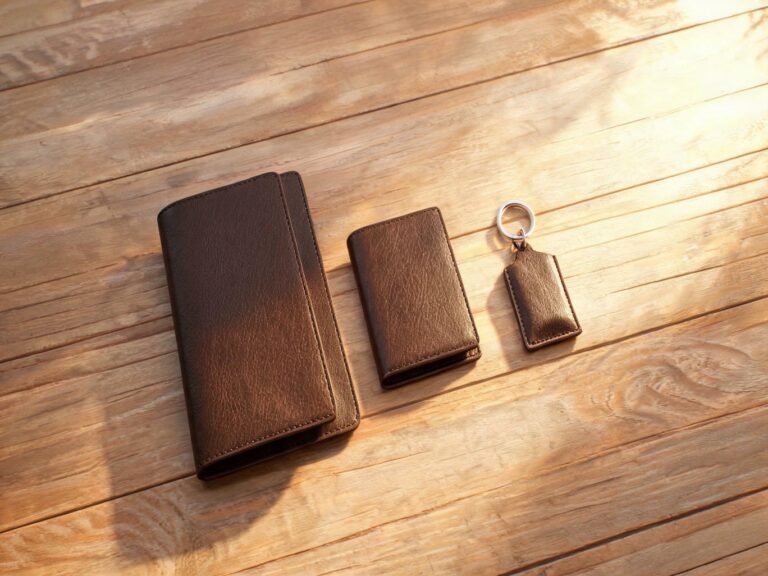
Warm-tone lychee texture — the grain depth and color saturation that make people instinctively reach out and touch
Design Insight: The reason people love leather isn’t the material itself — it’s the emotional response the material triggers. When a surface feels soft, warm, and substantial, our brains interpret it as “premium” and “trustworthy.” Silicone leather delivers these same emotional cues through molecular structure, not chemical additives.
Love Leather Without the Guilt: The Ethics Question
Here’s the thing that’s reshaping the industry: your customers want to love leather, but they don’t want to feel guilty about it. A 2025 consumer survey found that 67% of millennials and Gen Z buyers actively avoid animal-derived materials when a credible alternative exists — but only if that alternative matches the look, feel, and durability they expect from leather. Compromise on any of those three, and the customer goes back to genuine leather or switches to a completely different material category.
This is the gap that eco-friendly silicone leather fills. It’s 100% vegan and cruelty-free — no animal products involved at any stage of production. But unlike plant-based leather alternatives (mushroom, pineapple, grape) that struggle with durability and water resistance, silicone leather delivers the full performance profile of a premium synthetic material. Your customers get to love leather’s aesthetic without the ethical compromise, and you get a material that doesn’t fall apart after one season.
5 Design Elements That Make Customers Love Leather Products
When we work with brands to develop products that customers love, these five design elements consistently emerge as the differentiators between “nice product” and “must-have product.”
1. Texture Depth — Shallow embossing looks flat under showroom lighting but wears smooth within months. Deep embossing (0.15-0.25mm) retains its grain pattern for years and creates the light-and-shadow interplay that makes leather visually compelling. Customers love leather that maintains its texture — not leather that goes smooth after three months of use.
2. Color Saturation and Depth — A flat, single-dimensional color reads as synthetic. Premium leather has color depth — the surface tone differs subtly from the valleys of the grain pattern, creating a rich, dimensional appearance. With Pantone/RAL matching at Delta E below 1.0, silicone leather achieves this depth consistently across production batches.
3. Edge Quality — Customers notice edges. A clean, sealed edge that doesn’t fray or separate signals craftsmanship. Silicone leather’s coating bonds permanently to the backing fabric, producing edges that stay crisp through years of handling.
4. Softness-to-Structure Ratio — The best leather products feel soft to touch but hold their shape. Too soft and the product looks sloppy; too rigid and it feels synthetic. Silicone leather’s molecular flexibility allows designers to tune this ratio by adjusting backing fabric stiffness — without changing the surface feel.
5. Scent Profile — Genuine leather’s distinctive smell comes from tanning chemicals — not a feature you want to replicate. Silicone leather is odorless, which means it takes on the scent of whatever product it’s part of (a bag’s lining, a car’s cabin, a sofa’s foam) rather than imposing its own chemical signature. Customers love leather products that smell like quality, not like chemicals.

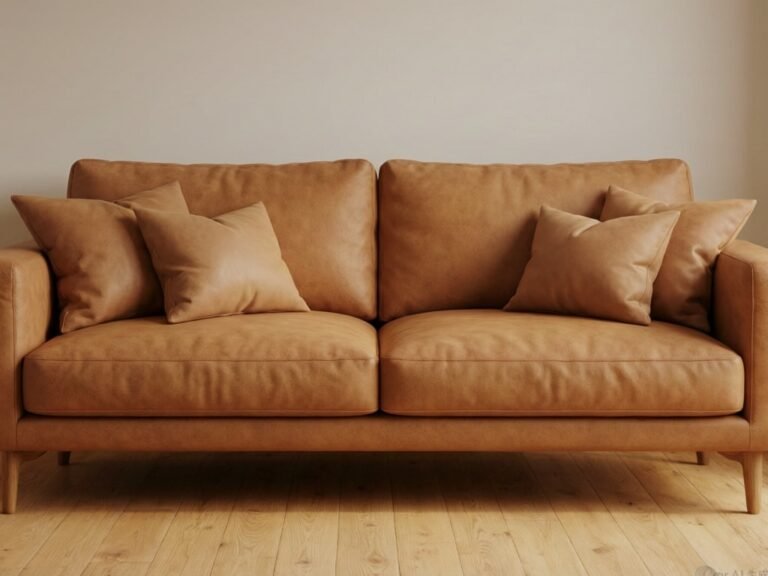
Layered soft leather display — the color depth and texture variety that make customers fall in love with leather products
Color, Texture, and the Psychology of Leather
Color choice in leather products is rarely accidental. Research shows that consumers associate specific leather colors with specific emotional states and product categories. Deep browns signal heritage and reliability — think classic briefcases and Chesterfield sofas. Black conveys authority and modernity — the choice for automotive interiors and executive accessories. Warm tones like cognac and camel suggest luxury and approachability.
Silicone leather’s 100+ texture library and unlimited color customization capability give designers the tools to leverage this psychology deliberately. Whether a brand wants to evoke heritage (classic full-grain embossing in cognac), modernity (smooth finish in graphite), or playfulness (lychee texture in pastel pink), the factory can produce the exact combination that resonates with the target audience. That said, one caveat: color psychology works only when the color is stable. A cognac that fades to orange within a year doesn’t evoke heritage — it evokes cheapness. Silicone leather’s UV resistance ensures the color your designer chose on day one is the color your customer sees in year five.
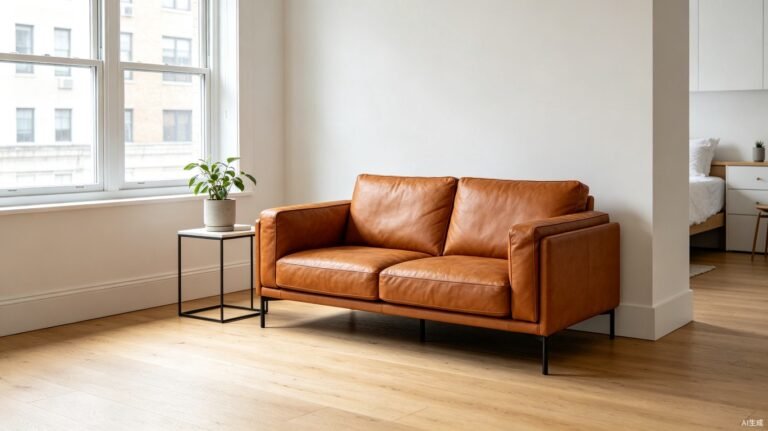
Texture variety showcase — the embossing options that make customers love leather products at first touch
From Fast Fashion to Forever: Loving Leather That Lasts
There’s a shift happening in how consumers relate to leather products, and it’s reshaping the market. The fast-fashion model — buy cheap, use briefly, discard — is losing ground as consumers increasingly value products that last. People want to love leather items that develop character over time, not ones that crack and peel after a single season. This expectation creates an opportunity for brands that choose materials engineered for longevity.
| What Customers Love | Genuine Leather | Silicone Leather |
|---|---|---|
| Soft, warm touch | Yes (initially) | Yes (permanently) |
| Ages gracefully | Yes (with care) | Yes (zero maintenance) |
| Vegan / cruelty-free | No | Yes |
| Color stays true | Fades over time | UV-stable (15+ yrs) |
| Easy to clean | Requires conditioning | Wipe with damp cloth |
A handbag brand we work with switched their entire line from genuine leather to silicone-based vegan leather in 2024. The initial concern was whether customers would accept the change. Within six months, customer reviews shifted from “nice bag” to “I love this leather” — and the brand’s return rate dropped 40% because the material didn’t crack, fade, or stain like the genuine leather version had. The emotional connection was actually stronger, not weaker, because the product delivered on the promise of lasting quality.
Frequently Asked Questions
Can silicone leather really replicate the feel that makes people love genuine leather?
Yes — and in many ways, it exceeds it. The softness of genuine leather comes from the tanning process, which breaks down the collagen structure. This softness degrades over time as the tanning chemicals leach out. Silicone leather’s softness comes from the inherent flexibility of the Si-O-Si molecular chain, which is permanent. The initial feel is indistinguishable from premium genuine leather, and unlike genuine leather, the feel doesn’t change with age, humidity, or cleaning.
Is silicone leather considered vegan leather?
Absolutely. Silicone leather contains zero animal-derived materials and is produced without any animal byproducts. It’s classified as vegan leather — but it’s important to distinguish it from other vegan leathers like PU or plant-based alternatives. Silicone leather delivers genuine leather-level durability (200,000+ Martindale cycles, 10-15+ year lifespan) while being 100% cruelty-free, zero-VOC, and fully recyclable. It’s the only vegan leather that matches genuine leather’s performance without compromise.
Designing Products People Will Love for Years
People will always love leather — it’s a material that triggers deep-seated emotional responses of quality, comfort, and craftsmanship. The brands that win in 2026 and beyond are the ones that deliver that experience without asking their customers to compromise on ethics or sustainability. Silicone leather makes that possible: the touch, the look, the durability, the color stability — all the elements that make people love leather — delivered in a material that’s vegan, zero-VOC, and built to last 15 years. That’s not a compromise. That’s an upgrade.
About TOPSUN
TOPSUN crafts silicone leather that makes people love leather products — delivering the touch, warmth, and luxury feel of genuine leather for fashion, furniture, and automotive brands across 30+ countries, without animal materials or environmental compromise.
100% vegan & cruelty-free · 100+ texture patterns · Unlimited Pantone/RAL colors · 15+ year lifespan · Zero VOC · Skin-safe and infant-grade · Free A4 samples