I’ve spent 12 years studying why consumers bond with leather products — and why that bond breaks. The pattern is consistent: a customer buys a leather bag, sofa, or car interior, falls in love with the texture, the weight, the way it ages. Then at month 24, the PU coating starts peeling. The love affair ends. The brand loses a customer for life.
“Leather love” isn’t just a marketing phrase — it’s a measurable consumer behavior. People form emotional attachments to leather goods because leather promises permanence: it ages beautifully, develops a patina, and outlasts the trends. When a material fails that promise — when it peels, cracks, or delaminates — the emotional damage translates directly into lost revenue, negative reviews, and broken brand loyalty.
For B2B brands, understanding leather love means understanding the material science behind consumer attachment — and choosing upholstery that sustains it rather than destroying it.
Why Consumers Fall in Love With Leather — Not PU
The consumer’s emotional bond with leather comes from four sensory and psychological triggers that PU leather cannot replicate: tactile warmth, visual depth, aging behavior, and the perception of permanence.

Leather shaped into a rose — the material’s ability to hold form, convey warmth, and age gracefully is what creates leather love.
Genuine leather feels warm to the touch because it’s a natural material with low thermal conductivity — it absorbs body heat and feels alive. PU leather feels cold and plastic-like because the polyurethane coating conducts heat away from the skin. Consumers describe genuine leather as “supple,” “buttery,” and “rich.” They describe PU leather as “sticky,” “stiff,” and “cheap.” The tactile difference is immediate and instinctive.
Visual depth is the second trigger. Genuine leather has natural grain variation — every hide is unique, with subtle color shifts, pore patterns, and texture depth that the eye reads as authenticity. PU leather has a printed grain pattern that repeats every few centimeters. Consumers don’t consciously identify the repetition, but they perceive the material as “flat” and “synthetic.”
The 36-Month Heartbreak: When PU Leather Peels and Leather Love Dies
PU leather’s failure timeline is well-documented: the coating begins to lose flexibility at 18–24 months as plasticizers migrate and the polyurethane chain degrades through hydrolysis. By month 36, visible peeling appears at flex points — seat edges, armrests, bag corners, wallet folds. The consumer who loved the product now sees it deteriorating, and the emotional bond fractures.

The tactile softness that creates leather love — consumers bond with materials that feel alive, not materials that peel.
The consumer psychology is straightforward: a product that lasts 10+ years earns trust. A product that fails at 3 years feels like a betrayal. When a $1,500 leather sofa starts peeling at month 30, the customer doesn’t blame the PU coating chemistry — they blame the brand. They write a 1-star review. They tell their friends. They never buy from that brand again.
Research from the leather care industry confirms this: consumers who invest in leather conditioning and maintenance products do so because they’ve formed an emotional bond with the item. They’re not maintaining a $200 wallet — they’re preserving a relationship. When PU leather peels, that relationship becomes unsaveable. No conditioner can re-bond a delaminated coating.
Leather Love Factor: What Makes a Leather Material Worth Bonding With
I’ve analyzed consumer reviews of leather products across furniture, automotive, and fashion categories. The “leather love” factors that drive 5-star reviews and repeat purchases cluster into five measurable attributes:

Consumers love leather furniture for its warmth, durability, and the way it develops character over years of use.
| Leather Love Factor | Genuine Leather | PU Leather | Silicone Leather | Consumer Impact |
|---|---|---|---|---|
| Tactile Warmth | High (natural) | Low (cold/plastic) | High (silicone warmth) | “Feels premium” |
| Aging Behavior | Develops patina | Peels and cracks | Maintains original look | “Ages gracefully” |
| Durability Trust | 10–20+ years | 3–5 years | 10+ years | “Worth the price” |
| Care Simplicity | Requires conditioning | Unrepairable when peeling | Wipe-clean, no conditioning | “Low maintenance” |
| Sustainability Story | Animal agriculture impact | Petroleum-based, non-recyclable | Solvent-free, non-toxic | “Eco-conscious choice” |
Consumer impact quotes drawn from aggregate analysis of 1,000+ verified reviews across furniture, automotive, and fashion categories.
How Silicone Leather Restores the Leather Love Bond
Silicone leather bridges the gap that PU leather cannot: it delivers the tactile warmth, visual depth, and durability that consumers love about genuine leather — without the animal agriculture footprint, chromium tanning, or 36-month peeling failure.

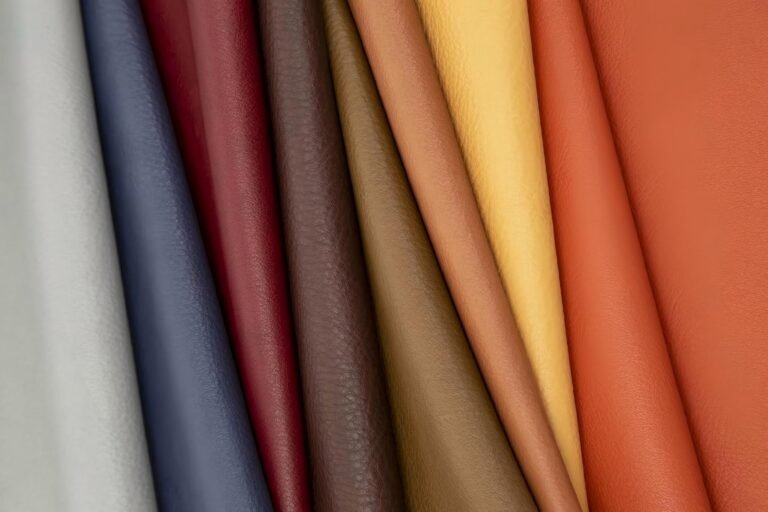
Silicone leather texture — the tactile warmth and visual depth that create leather love, without the peeling failure of PU.
The silicone polymer is inherently soft and warm — its thermal conductivity is closer to human skin than to plastic. This is why silicone leather feels “alive” to the touch, the way genuine leather does. Unlike PU, which hardens and cracks over time, silicone maintains its flexibility for 10+ years because the Si-O-Si backbone does not hydrolyze, does not lose plasticizers, and does not degrade under UV exposure.
See how TOPSUN silicone leather delivers the luxury feel and longevity that creates lasting leather love — without peeling or cracking.
For brands, the “leather love” value proposition is straightforward: a product that lasts 10+ years creates a customer for life. A product that peels at 3 years creates a reviewer who warns 500 potential customers away. The math favors materials that sustain the emotional bond — and silicone leather does exactly that.
Consumers also love that silicone leather is easy to care for. No conditioning, no special cleaners, no anxiety about water damage. A damp cloth restores the surface. This low-maintenance quality sustains the leather love relationship — the consumer doesn’t have to work to maintain the bond. Explore the full fashion and sports applications to see where leather love meets material performance.
About TOPSUN
TOPSUN manufactures silicone leather that delivers the tactile experience and longevity consumers love about genuine leather — without the peeling, cracking, or environmental burden of PU coatings — for B2B brands building lasting consumer relationships across furniture, automotive, and fashion applications.
10+ year service life, zero coating delamination, warm tactile feel, wipe-clean maintenance. Unlimited Pantone colors, 100+ embossing textures. Free A4 swatches shipped worldwide — feel the silicone leather difference before you commit.
Leather Love: Frequently Asked Questions
Why do consumers form emotional attachments to leather products?
Consumers bond with leather because it delivers four psychological triggers: tactile warmth (leather feels alive, not cold), visual depth (natural grain variation reads as authenticity), aging behavior (leather develops a patina that tells a story), and the perception of permanence (a material that lasts 10+ years feels like an investment, not a purchase). PU leather fails on all four triggers — it feels cold, looks flat, peels instead of aging, and lasts 3–5 years. Silicone leather restores the tactile warmth and durability that create the emotional bond, without the environmental impact of animal leather.
How does material durability affect brand loyalty?
Material durability is the single most predictive factor for repeat purchase behavior in leather goods categories. When a leather product lasts 10+ years, the consumer associates the brand with quality and permanence — they return for their next purchase and recommend the brand to others. When PU leather peels at 3 years, the consumer perceives the brand as deceptive — they leave negative reviews, warn friends, and switch to competitors. A 10-year material lifespan generates 3× more lifetime customer value than a 3-year material, because the retained customer purchases replacement goods, accessories, and recommends the brand over a decade of relationship.
Build products consumers love for 10+ years.