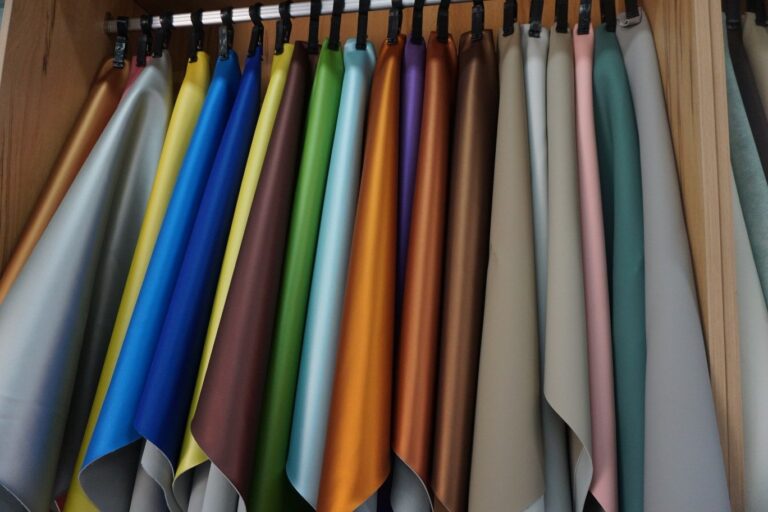
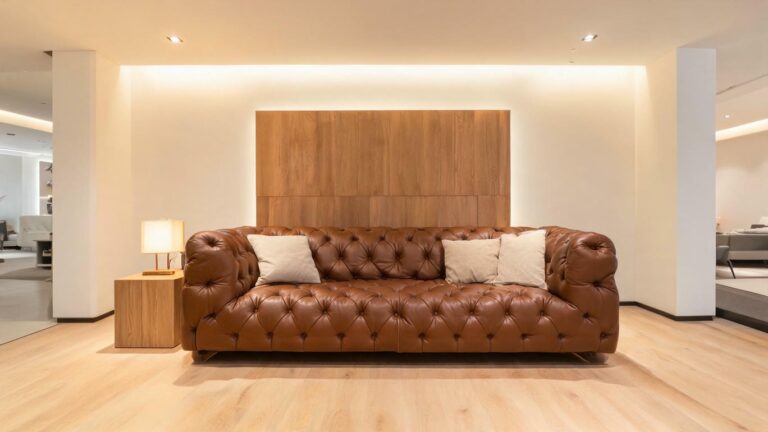
Two chairs can wear the same brown, cost nearly the same, and sit side by side in a showroom while being opposite materials. One is a hide that grew on an animal over years. The other is a polymer coating rolled onto fabric in a factory. The leather and faux leather difference is structural before it is anything else, and it shows up in five places anyone can check: grain, edge, touch, smell, and the way each one ages. Bind both in a workshop long enough and you stop needing the label.
This article covers the origin difference first, because it explains everything downstream. Then come the five identification tests, a comparison table, and the aging behaviors that no swatch card will show you. It closes with a decision tree for choosing between them honestly.
One Is Grown, One Is Built: The Core Difference
Genuine leather is animal skin, tanned so it resists decay. Its grain, pore pattern, and thickness vary across every hide because the animal varied. Faux leather is engineered: a textile backing carrying a polyurethane or PVC layer, embossed with a grain someone designed. That single origin fact drives every practical difference. Real leather breathes because skin does. Faux leather wipes clean because it is, in effect, a plastic film. Neither trait can be fully copied by the other, whatever the marketing claims.
In the workshop this shows up within minutes of unrolling a hide. No two panels of the real material behave identically under the needle. The faux roll stamps out consistent panels all day, which is precisely its value for production furniture lines.
Five Store Tests That Tell Them Apart
Run these in order. Each takes seconds and none damages the piece.
- Grain repeat: real leather shows irregular pores, small scars, and color shifts across the same panel. Faux grain repeats in a uniform, embossed cycle.
- Edge and underside: check a seam. Real leather has a fibrous, suede-like edge. Faux reveals a woven or knit fabric backing.
- Touch and warmth: genuine hide feels cool at first and warms slowly under your hand. Faux feels uniform and can turn slightly tacky in a warm room.
- Press test: press a fingertip into the surface. Real leather wrinkles and stretches around the point. Faux tends to spring back flat.
- Smell: real hide carries a warm, musky scent. Faux smells faintly of plastic or nothing at all.
When two of these tests disagree, check the law tag or the listing. Regulated furniture must state the material, and words like PU, polyurethane, bonded, or leatherette all mean faux.

Grain that grew never repeats. An embossed cycle always does, eventually.
How They Age: Patina vs Peel
This is the defining difference and the one photographs hide worst. Genuine leather develops a patina: oils from use deepen the color, creases soften into character, and a decade-old hide often looks better than a new one. Faux leather runs the opposite arc. Its coating cracks and peels away from the fabric backing, especially under sunlight and heat, and once peeling starts there is no repair that lasts. A chair either gains value with time or loses its surface. The material decides which.
| Dimension | Genuine Leather | Faux Leather |
|---|---|---|
| Origin | Tanned animal hide | PU or PVC coating on fabric |
| Grain | Irregular, with pores and scars | Embossed, repeating pattern |
| Aging | Patina, decades of service | Cracks and peels in 3-5 years |
| Cleaning | Needs dedicated conditioners | Wipes clean with mild soap |
| Breathability | High | Low on standard PU |

Macro texture tells the story: engineered grain is flawless, and flawlessness is the tell.

A hide keeps its irregular pore map for life. That inconsistency is the certificate of origin.
Send Us a Material Question
Care Routines the Two Do Not Share
Real leather is skin, so it dries out. It wants dusting, occasional conditioning, and distance from radiators. Faux leather wants nothing but a damp cloth and a mild soap, which is why rental fleets and clinics choose it. The mistake runs in both directions: conditioning a PU surface does nothing useful, and hosing down a hide with alcohol wipes strips the finish. Match the routine to the chemistry, not the label on the price tag.
Which Belongs in Your Space
The verdict is a decision tree, not a ranking:
- If the piece should patina and serve for decades, choose genuine hide
- If spills, kids, and daily wiping dominate, choose a wipe-clean faux
- If pets add claws and accidents to the mix, step to silicone-based faux, which our silicone pet leather was engineered for
- If the ethics of animal hide weigh on the purchase, modern faux delivers the look without it, and our eco-friendly silicone leather page documents the vegan chemistry
- If you cannot verify what a listing actually is, run the five tests before paying a leather price
None of these rows is a compromise. A hide ages into furniture; a good faux survives a household. Trouble starts only when a buyer pays hide prices for coating behavior, or wipes a hide like a coating. Know which material is in the room and both last their full term.
Is faux leather actually leather?
No. It contains no animal skin. Names like PU leather, bonded leather, and leatherette describe fabric with a polymer coating. Bonded leather is the loosest term, mixing hide fibers with a binder, and it behaves like a coating in service.
Does real leather always outlast faux?
In years of service, yes, by a wide margin, provided it is maintained. In maintenance hours, the ledger reverses: faux asks for minutes a month while a hide asks for real attention. Longevity and laziness rarely share a material.
About TOPSUN
TOPSUN manufactures silicone-based faux leather for teams who want hide-level service life without hydrolysis, peeling, or animal inputs.
A 10-15 year service life, hospital-grade cleanability, 100+ textures with custom color matching, and SGS reports on every order.
References
1. https://leatherdoctorpro.com/tell-real-leather-… — Real leather shows irregular non-repeating grain with pores and scars plus a warm musky smell; faux grain repeats
2. https://loftloom.com/ideas/faux-leather-vs-real… — Identification checks: pores, fibrous suede-like edge versus fabric backing, press test, and label wording
3. https://sofasexpert.com/leather-vs-faux-leather… — Peeling versus patina is the defining durability difference between faux and real leather