US$0.20. That is the listed price of one meter of entry-level PU furniture leather on a major sourcing platform, with a 500-meter minimum order. At that number the fabric costs less than the carton it ships in. Cheap faux leather is a real category, and for short-life projects it is often the smart call. The trouble starts when buyers treat every quote under $3 a meter as the same product.
This guide splits the low end of the market into price tiers, then into chemistries, then into failure modes. It closes with the 5-year math that decides whether the cheapest quote actually stays cheap.
What $0.20 a Meter Buys in Cheap Faux Leather
Anyone sourcing cheap faux leather fabric wholesale is really shopping in four different stores that share one price list. The posted range on Chinese sourcing platforms runs from about $0.20 to $3 per meter for PU furniture grades, and individual PVC sofa listings sit near $4.30 with a 50-meter MOQ. Each tier buys a different risk profile:
- $0.20 to $1/m: thin PVC at 0.4 to 0.6 mm, minimal coating, unnamed base fabric. Fine for book covers and short-lived display props.
- $1 to $3/m: standard PU furniture grade. The workhorse tier for contract seating on tight budgets.
- $3 to $5/m: better adhesion systems, phthalate-free plasticizers, documented specs. The entry point for anything children touch.
- Genuine hide, for reference: bonded and top-grain listings run roughly $1.60 to $5 per square foot.
Remember that posted prices exclude sampling, tooling, and freight. They also exclude the cost of a failed batch, which is where the real shopping begins.
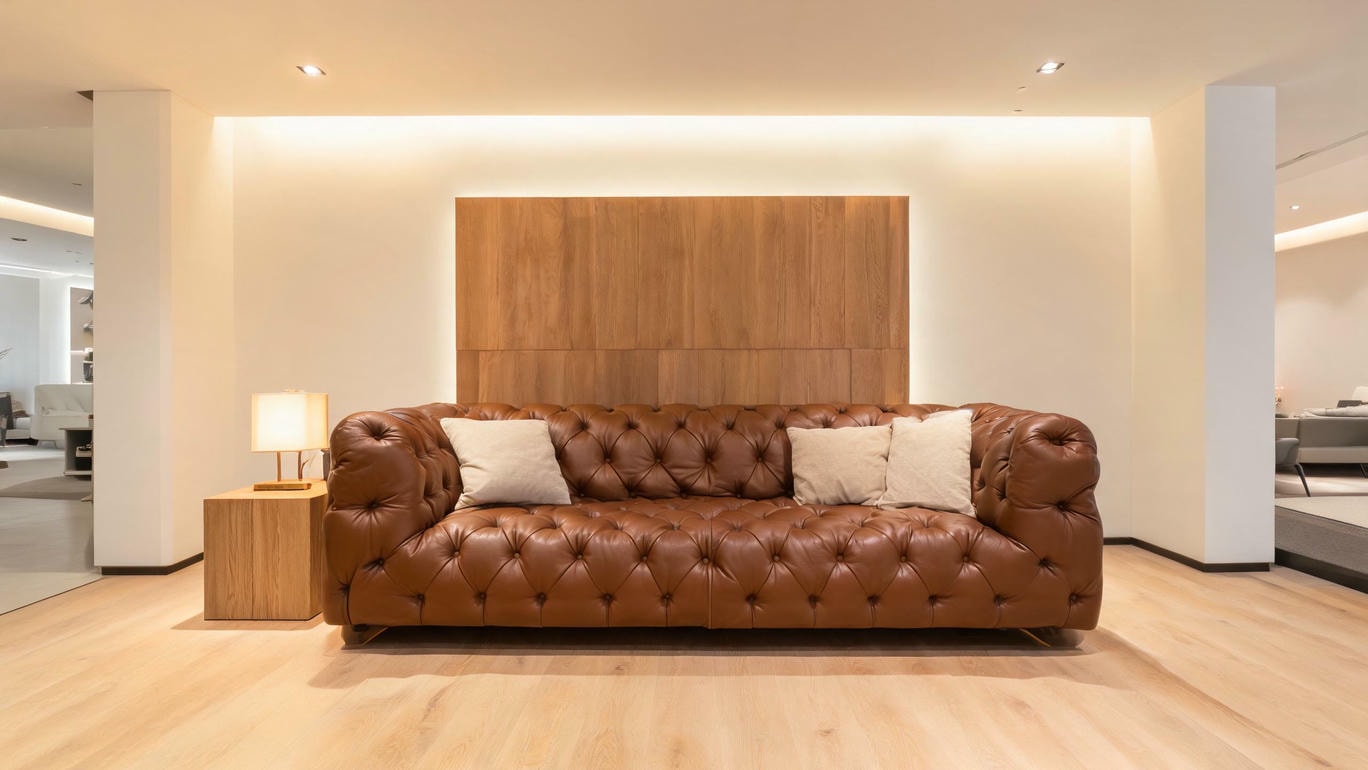
Wholesale faux leather rolls: the same price list can hide four different quality tiers.
PVC or PU: Picking the Right Cheap Faux Leather Chemistry
The PVC vs PU faux leather question is not about which is better. It is about which failure mode your project can live with. PVC is the cheaper of the two and shrugs off water and most stains. Its plasticizers migrate over time, so the sheet stiffens, then cracks along fold lines. PU stays softer and looks closer to grain leather, but humid environments attack its coating through hydrolysis.
Neither chemistry matches the service life of silicone-based material, which is why we publish a direct silicone vs PU leather comparison for buyers weighing upfront cost against replacement cycles. Match the chemistry to the product’s expected life, and the “cheap” label stops being an insult.
Four Tests That Catch a Bad Batch Early
The honest answer to “cheap faux leather that doesn’t peel” is a spec sheet, not a promise. Ask the supplier for numbers on four tests before you approve a sample:
- Peel strength (ISO 2411): 15 N/cm minimum for general use, 25 N/cm for automotive. In our own lab, budget PVC samples have failed at 8 N/cm after just 200 hours of accelerated aging.
- Martindale abrasion: demand the actual cycle count for the batch, not the collection brochure.
- Hydrolysis resistance: an 85°C / 85% RH chamber run. Cheap PU starts telling on itself within weeks.
- VOC class (ISO 16000-6): matters most for indoor furniture and anything shipped to California.
A supplier who volunteers these numbers is a different species from one who sends a swatch and a smile. Test the actual production batch, because sample rolls and mass production rarely share a QC record.

Martindale testing separates cheap faux leather that lasts from stock that delaminates in season.
The 5-Year Math: When the Cheap Quote Costs More
Wholesale data puts synthetic material 30 to 50% below genuine leather at the invoice level. Over a 5-year ownership window, the faux leather cost vs genuine leather gap narrows every time a cheap cover needs re-upholstering. The table below is how we frame it for procurement teams:
| Material | Posted wholesale price | Realistic service life | 5-year cost driver |
|---|---|---|---|
| Budget PVC (0.4-0.6 mm) | $0.20-1 / m | 1-2 yrs indoors | Re-cover labor, delamination claims |
| Standard PU furniture grade | $1-3 / m | 3-5 yrs | Hydrolysis cracking in humid climates |
| Genuine leather | $1.60-5 / sq ft | 10+ yrs | Upfront budget, hide-to-hide variance |
| Full silicone leather | Quote-based | 10-15 yrs | Higher initial specification |
Our chamber data backs the last row. In an 85°C / 85% RH run, PU samples show surface stickiness well before week six. Silicone rolls come out of the same 14-week program with no delamination and no measurable strength loss. For a hotel or restaurant seating program, that difference is one re-cover cycle you never pay for. If you are weighing furniture programs specifically, our furniture upholstery applications page shows where each tier holds up.

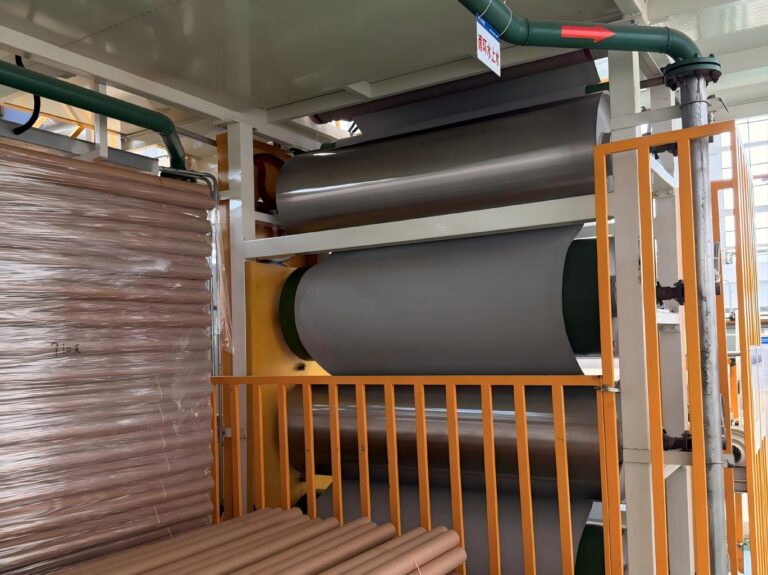
In-house test labs turn “cheap” from a gamble into a documented trade-off.
See how silicone, PU, and PVC behave side by side before you lock in a price tier.
Is cheap faux leather always the wrong choice?
No. Trade-show booths, short-lease furniture, and products built around a 2-year refresh cycle all reward the lowest tier. The mistake is pairing 2-year material with a 10-year product. Match material lifespan to product lifespan and the cheap tier becomes a tool instead of a trap.
What price should make me suspicious?
Furniture-weight goods under roughly $0.50 per meter deserve scrutiny. Ask for peel strength and Martindale reports before you even request a sample. If the reply is a photo instead of a spec sheet, you have your answer.
Buy Cheap Once, Not Twice
Before you sign the first purchase order, run this checklist:
- Fix the chemistry in writing: PVC, PU, microfiber, or silicone. No “PU-like” language.
- Demand ISO 2411 peel numbers for the production batch, not the brochure.
- Run a 200-hour accelerated aging test on the actual goods you will receive.
- Match material service life to product service life, in years, on paper.
- Price the second re-cover before you approve the first order.
Cheap faux leather rewards buyers who read specifications, and it quietly taxes everyone else. Do the 5-year math first, and the sticker price becomes just one line in the calculation.
About TOPSUN
TOPSUN manufactures silicone leather for furniture, automotive, medical, and outdoor programs where low-grade synthetics keep failing on schedule. In-house coating and lamination lines run 500,000 meters monthly.
On-site Martindale and hydrolysis testing, SGS reports with every order, and 8+ years serving buyers across 30+ countries.
References
1. https://www.made-in-china.com/new-products/furn… — furniture faux leather wholesale listings, US$0.20-4.30 per meter with 50-500 m MOQs
2. https://m.made-in-china.com/hot-china-products/… — genuine leather listings at US$1.60-5.00 per square foot; synthetic wholesale runs 30-50% lower