Is US-made leather worth the premium? When sourcing leather USA procurement teams face a market worth $60.3 billion in 2026 — supported by only 194 active tanneries. Most B2B buyers compare material price per square foot and stop there. But the real question is total cost of ownership across 5 years — factoring in domestic tannery scarcity, EPA compliance overhead, and California Prop 65 enforcement risk. That supply-side squeeze changes the sourcing math.
| Factor | US-Made Leather | Imported Leather | Silicone Leather |
|---|---|---|---|
| Price per sq ft | $10-15 | $4-8 | $2-5 |
| Active suppliers | 194 tanneries | Global pool | Limited but growing |
| Lead time | 6-12 weeks | 8-16 weeks | 7-15 days |
| Regulatory risk | EPA + Prop 65 | REACH + tariffs | Low (all pass) |
Compare US vs Silicone Leather Specs
Leather USA: The Shrinking Manufacturing Footprint
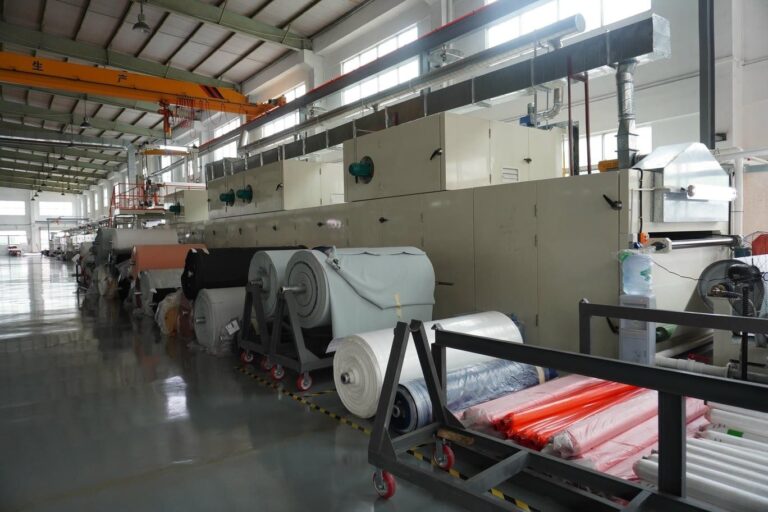
In the 1950s, the US had roughly 1,000 tanneries employing 300,000 workers. Today, under 200 active establishments remain under NAICS 316110, with a workforce of approximately 50,000. That’s not a slow decline — it’s a structural contraction that limits domestic sourcing options for B2B buyers. When you need furniture leather suppliers who can deliver specialty grades on schedule, the domestic pool is thin.
In our procurement experience, US-made leather commands $10-15 per square foot against $4-8 for imported equivalents. The premium buys traceability and shorter logistics chains — but it also buys vulnerability to single-supplier bottlenecks. We’ve evaluated dozens of domestic tanneries and found that many specialize in narrow product lines, forcing buyers to split orders across multiple suppliers to cover a full upholstery spec.

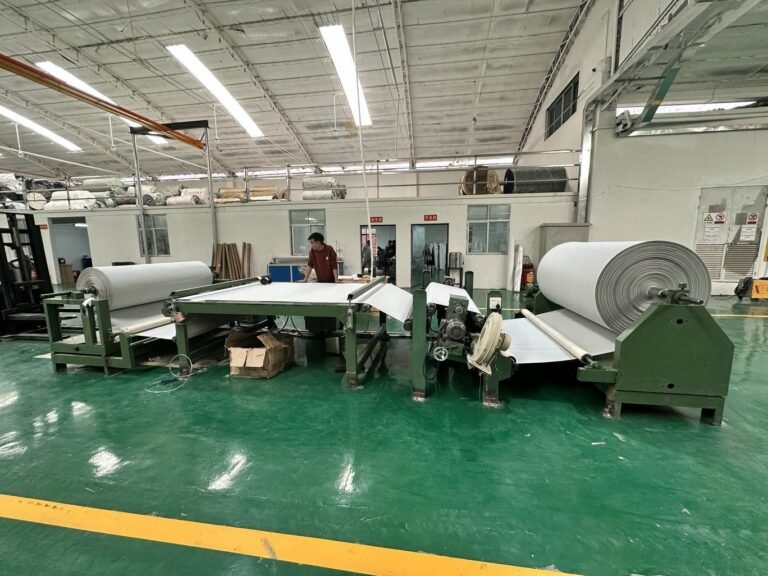
Worker operating a leather coating and calendering line — domestic production capacity has contracted to under 200 active US tanneries.
Compliance Costs: EPA and Prop 65 Impact on Leather USA Sourcing
US tanneries operate under EPA 40 CFR Part 425, which caps chromium discharges at 0.24 kg per 1,000 kg of raw hide processed (daily maximum). Compliance requires wastewater treatment infrastructure that smaller tanneries struggle to maintain — one driver of the consolidation from 1,000 to 194 facilities. California’s Prop 65 adds another layer: hexavalent chromium (Cr VI) in leather faces a proposed limit of 3 mg/kg, and the state Attorney General actively enforces through 60-day notices. In 2025, footwear containing leather with Cr(VI) triggered enforcement actions.
For B2B buyers, this means domestic leather sourcing carries embedded compliance costs that don’t appear on the invoice. Environmental remediation, wastewater treatment, and worker safety infrastructure all factor into the $10-15 per square foot price tag. Imported leather shifts those costs to the country of origin — but introduces REACH compliance, tariff exposure, and longer lead times. Silicone leather alternatives bypass both regulatory frameworks: zero chromium, zero formaldehyde, zero heavy metals.

Quality and safety standards in leather production — EPA 40 CFR Part 425 and Prop 65 compliance add cost layers to every US-tanned hide.
Domestic vs Import: The Real 5-Year TCO Gap
US leather manufacturing wages average $17 per hour — roughly 3x Chinese rates and 2x Mexican rates. For a finished leather tote bag, labor alone costs $35-45 domestically versus $6-10 overseas. Add material costs ($15-20 vs $7-10), and the unit economics explain why 7.46% of global leather goods imports land in US ports. But the TCO calculation doesn’t end at unit cost. Imported leather adds tariff exposure (up to 25% on Chinese leather goods), shipping, customs brokerage, and quality rework cycles. For applications where genuine leather vs synthetic alternatives matters, the 5-year cost of ownership often favors materials that eliminate compliance risk entirely.

Genuine leather furniture applications — domestic sourcing carries $10-15/sq ft material cost plus EPA and Prop 65 compliance overhead.
When you’re evaluating leather manufacturers for B2B projects, the sourcing decision should weigh four factors beyond unit price: supplier scarcity risk (194 domestic tanneries vs global pool), regulatory compliance cost (EPA + Prop 65 for domestic, REACH + tariffs for import), lead time (6-12 weeks domestic vs 8-16 weeks import vs 7-15 days for silicone), and 5-year replacement cycles (genuine leather requires conditioning and reupholstery; silicone leather is maintenance-free for 10+ years).
Your Leather USA Sourcing Checklist
- Verify domestic tannery capacity — Only 194 active US establishments. Confirm your supplier’s production volume matches your order size before committing.
- Request EPA 40 CFR Part 425 compliance documentation — Chromium discharge limits apply. Ask for wastewater treatment records.
- Test for Cr(VI) and formaldehyde — California Prop 65 enforcement is active. Cr(VI) limit: 3 mg/kg; formaldehyde: under 5 mg/kg.
- Calculate landed cost, not FOB price — Imported leather adds tariffs (up to 25% on Chinese goods), shipping, customs, and quality rework.
- Compare against PVC-free alternatives — Silicone leather eliminates chromium, formaldehyde, and phthalate compliance risk at $2-5/sq ft with 7-15 day lead times.