If you have ever bought a leather care kit and used it on your faux leather sofa, car seats, or bag, you may have done more harm than good. Most leather treatment products on the market are formulated for genuine leather — which is a porous, organic material that absorbs oils and needs regular conditioning. Synthetic leather, by contrast, is a non-porous polymer surface that does not absorb anything the way real leather does. The result? The conditioner sits on the surface, builds up over time, and can actually accelerate cracking, discoloration, and surface degradation.
I have seen this firsthand working with facility managers and hospitality clients who spend hundreds of dollars on premium leather conditioners, only to watch their synthetic leather upholstery peel and crack within a couple of years. The problem is not that they are bad at maintenance — it is that they are using the wrong products for the wrong material. In this guide, I will break down which leather treatment products work on synthetic leather, which ones you should never use, and what the right maintenance routine actually looks like.

Water beading on a treated leather surface — the right products form a protective barrier
Why Standard Leather Conditioners Do Not Work on Synthetic Leather
To understand the problem, you need to understand what leather treatment products are actually designed to do. Traditional leather conditioners, balms, and creams are formulated to replenish the natural oils that genuine leather loses over time. Real leather is made from animal hide — a porous, fibrous material that dries out if those oils are not periodically replaced. A good conditioner penetrates the surface, nourishes the fibers, and keeps the leather flexible and resistant to cracking.
Synthetic leather — whether PU, PVC, or silicone — has no natural oils to replenish. Its surface is a polymer coating that does not absorb anything. When you apply a leather cream or balm to synthetic leather, it does not soak in. Instead, it sits on the surface as a sticky, oily residue that attracts dust and dirt. Over repeated applications, that residue builds up into a hazy film that dulls the finish and can actually trap moisture against the surface, creating a breeding ground for mold and mildew — especially in warm, humid environments.
Real-World Problem: A hotel client of ours was applying a popular leather conditioner to their lobby furniture every three months. After 18 months, the PU leather looked dull, sticky, and showed surface cracking. The conditioner was not nourishing the material — it was sitting on top and slowly degrading the polymer coating.
5 Types of Leather Treatment Products and How They Rate
Not all leather treatment products are the same, and some are worse for synthetic leather than others. Here is a practical breakdown of the five main categories and how they perform on synthetic materials.
| Product Type | Purpose | Safe for Synthetic? | What Happens If You Use It |
|---|---|---|---|
| Leather Conditioner / Balm | Replenish oils in genuine leather | No — Avoid | Oily residue buildup, surface dulling, accelerated cracking |
| Leather Cleaner (mild) | Remove dirt and surface stains | Usually OK | Generally safe if pH-neutral; test in hidden spot first |
| Leather Protectant / Sealant | Add water and stain resistance | Depends | Some work fine; silicone-based protectants may not adhere to PU |
| Saddle Soap | Deep clean and condition leather | No — Avoid | Waxes and oils leave residue; can strip PU surface coatings |
| Leather Dye / Restorer | Recolor faded leather | No — Avoid | Will not bond to synthetic surface; rubs off on clothing |

Scratch resistance testing — the right treatment products can help protect against surface damage
The Right Way to Care for Synthetic Leather
The good news is that synthetic leather is actually much easier to maintain than genuine leather — you just need the right approach. Instead of a three-step conditioning routine with multiple specialized products, synthetic leather needs a simple, consistent cleaning schedule and — depending on the material type — very little else.
For most types of synthetic leather (PU, PVC, and silicone), the basic maintenance routine is straightforward. Wipe the surface regularly with a soft, damp cloth to remove dust and everyday dirt. For more stubborn stains, use a mild, pH-neutral soap diluted in water — apply it with a soft cloth, gently wipe the area, and then rinse with clean water and pat dry. That is really it. No conditioners, no balms, no specialty treatments required. For a detailed breakdown by material type, see our silicone leather cleaning and maintenance guide.
The key thing to understand is that synthetic leather does not need to be “nourished” or “conditioned” the way genuine leather does. It is a polymer surface — think of it more like a high-quality plastic than like animal hide. The goal of maintenance is simply to keep it clean and prevent abrasive dirt particles from scratching the surface, not to replenish oils that were never there in the first place.

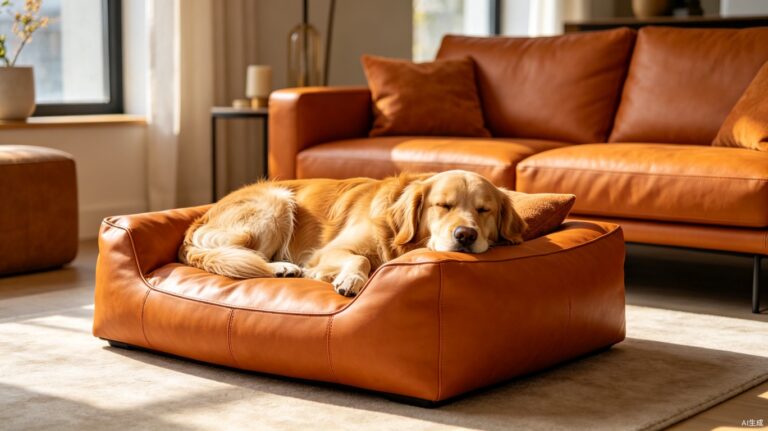
Faux leather sofas need regular cleaning but not conditioning — the wrong treatment products do more harm than good
Silicone Leather: Zero Treatment Products Needed
If you really want to minimize maintenance — and eliminate the risk of using the wrong leather treatment products entirely — silicone leather is in a category of its own. Unlike PU and PVC, which can be damaged by certain cleaning agents and require careful product selection, silicone leather is inherently inert and resistant to a wide range of chemicals.
Here is what makes silicone leather different for maintenance teams. Its non-porous silicone surface repels liquids and stains completely — coffee, wine, juice, even bleach and alcohol disinfectants can be wiped away without leaving marks. It does not absorb anything, so there is no risk of cleaners seeping into the material and causing damage from within. And because silicone is chemically stable, it does not react with most common cleaning products the way PU can.
For facility managers and hospitality operators, this translates into real operational savings:
- No special treatment products required: Water and a cloth are usually enough; mild soap handles tougher stains.
- Disinfectant-safe: Bleach, alcohol, and quaternary ammonium compounds do not damage the surface — critical for healthcare and food service.
- No conditioning needed: Silicone leather never dries out, never needs oiling, and does not develop the cracking patterns that PU does.
- Stain-proof: The non-porous surface means spills sit on top and wipe away — no penetrating stains to treat.

The non-porous silicone surface repels liquids completely — no special treatment products needed
A Practical Maintenance Checklist for Each Material Type
If you are managing leather furniture or products in a commercial setting, the simplest way to avoid treatment product mistakes is to have a clear, written maintenance schedule for each material type. Here is a quick reference you can use.
For genuine leather: Clean with a pH-balanced leather cleaner every 3–6 months. Condition with a leather balm or cream every 6–12 months depending on use and climate. Protect with a leather sealant if the item is in a high-use or high-moisture area. Test all products in an inconspicuous spot first.
For PU and PVC synthetic leather: Wipe with a damp cloth weekly or as needed. For stains, use mild soap and water — never use leather conditioners, saddle soaps, or oil-based products. Avoid harsh solvents, acetone, or abrasive cleaners that can strip the surface coating. If you want to apply a protectant, test it first in a hidden area and make sure it is formulated for synthetic materials. For more on the material differences, see our silicone vs. PU comparison.
For silicone leather: Wipe with a clean damp cloth as needed. For disinfection or heavy-duty cleaning, use isopropyl alcohol, diluted bleach, or any common household cleaner — no special products required. No conditioning, no sealing, no specialty treatments. The material’s inherent properties do all the work.
Explore Low-Maintenance Furniture Leather
Frequently Asked Questions
Can I use the same leather treatment products on real and fake leather?
Generally, no — and using the wrong products is one of the most common causes of premature synthetic leather failure. Products designed for genuine leather contain oils, waxes, and conditioners that are meant to be absorbed by porous animal hide. On non-porous synthetic leather, these ingredients sit on the surface, attract dirt, and can gradually break down the polymer coating. Mild, pH-neutral cleaners are usually safe for both, but anything labeled “conditioner,” “balm,” or “nourishing” should only be used on genuine leather.
How often should I clean synthetic leather furniture?
It depends on usage. For residential use, a quick wipe-down every couple of weeks and a more thorough cleaning every 2–3 months is usually enough. For commercial settings like restaurants, hotel lobbies, or waiting rooms, you may want to wipe high-touch areas daily and do a full cleaning every 2–4 weeks. The good news is that synthetic leather cleaning is fast and simple — no special products or lengthy application times required.
Stop Wasting Money on the Wrong Products
Leather treatment products are a big business, and the marketing makes it sound like every leather item needs a shelf full of specialized creams, balms, and conditioners. But the truth is that synthetic leather does not need any of that. What it needs is regular, gentle cleaning — and for high-performance materials like silicone leather, even that is minimal.
Before you buy another leather care kit, check what material you are actually treating. If it is genuine leather, a good cleaner and conditioner are worth the investment. If it is synthetic — PU, PVC, or silicone — put the conditioner back on the shelf. All you really need is a soft cloth and some mild soap. Your material will last longer, and your maintenance budget will go further.
Get a Custom Care Recommendation
About TOPSUN
TOPSUN manufactures zero-maintenance silicone leather that requires no conditioners, balms, or specialty treatment products — just wipe clean with water or mild disinfectant for a like-new appearance year after year.
Stain-proof non-porous surface • Bleach and alcohol-safe cleaning • 200,000+ Martindale cycles • 10+ year service life • ISO 22196 antimicrobial • Free care guide with every order