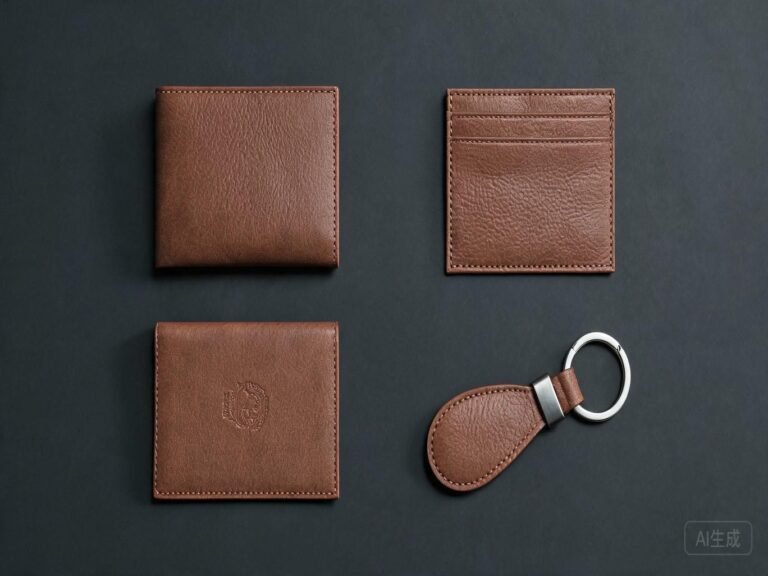
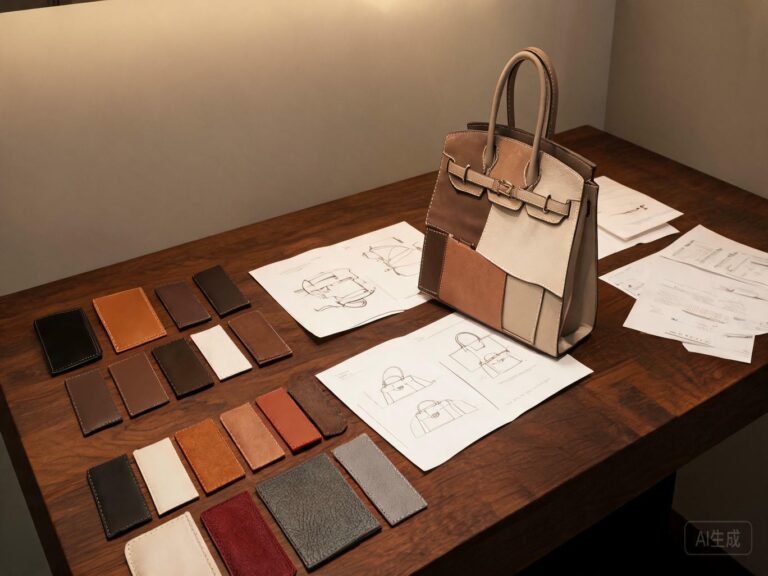
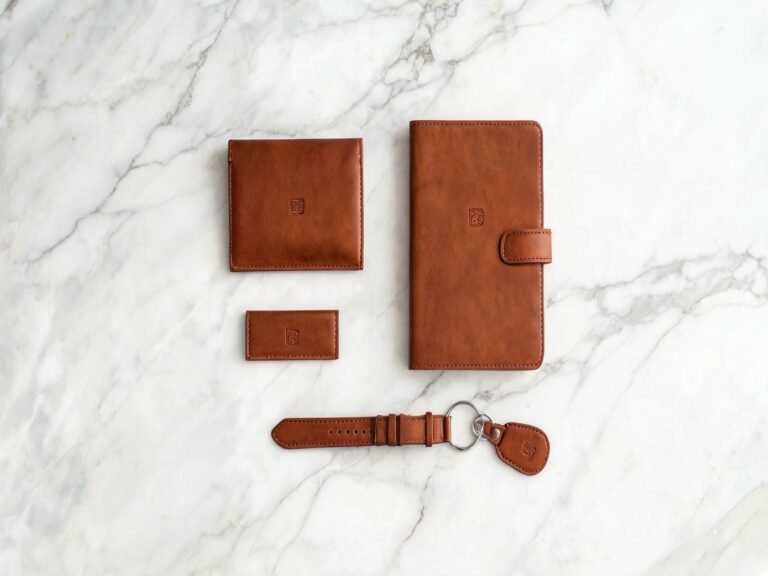
Sourcing the right leather goods manufacturer can make or break your product line. Whether you’re developing automotive interiors, furniture collections, or premium accessories, the factory behind your materials determines everything from lead times to end-user satisfaction.
At TOPSUN, we’ve spent 12+ years producing silicone leather for B2B buyers across seven industries. In that time, we’ve learned that most procurement teams evaluate manufacturers on price and MOQ alone. They miss the bigger picture.
This guide breaks down what actually matters in leather goods production — from design collaboration to final delivery — and why synthetic leather is rapidly becoming the material of choice for forward-thinking brands.
What Defines a Modern Leather Goods Manufacturer?
A modern leather goods factory does far more than cut and stitch material. Today’s buyers need partners who understand material science, global compliance, and scalable OEM workflows.
Here’s what separates top-tier manufacturers from trading companies posing as factories:
- In-house R&D capability: Can they formulate custom colors, textures, and performance specs without outsourcing? At TOPSUN, 10+ engineers handle polymer chemistry and textile technology daily.
- Automated production lines: Manual processes create inconsistency. Look for 10+ automated lines and real-time process monitoring.
- Certifications that match your market: FDA for baby products, FAR 25.853 for aviation, ISO 10993 for medical — not every factory holds these.
- Traceability systems: Can they track a defect back to the raw material batch? Full traceability isn’t optional for regulated industries.
The reality is, many leather products suppliers still operate on outdated equipment with limited testing. If you’re sourcing for regulated industries, that risk isn’t worth the slightly lower quote.
Inside the Leather Goods Production Workflow
Understanding the production cycle helps you set realistic timelines and catch potential bottlenecks early. Here’s how professional leather goods production typically runs:
- Raw material inspection — Every silicone batch is tested for viscosity, purity, and consistency before entering the line.
- Release paper preparation — Specialized carriers are prepared to achieve the desired surface texture and grain pattern.
- Mixing and coating — Precision metering ensures uniform thickness, whether you need 0.23mm for 3C electronics or 2.0mm for heavy-duty furniture.
- Curing and forming — Temperature-controlled ovens cross-link the silicone polymer, locking in durability and hand feel.
- Quality inspection — Automated vision systems plus manual checks catch defects before packaging.
- Packaging and delivery — Rolls are wrapped, labeled, and staged for global logistics coordination.

TOPSUN’s automated coating line ensures consistent quality across every roll.
At TOPSUN’s 60,000 m² facility, this entire workflow runs across three production bases with a daily output of 16,000 meters. Lead time? Typically 7-15 days after deposit for standard orders.
Certifications Every Leather Goods Manufacturer Should Hold
Certifications aren’t paperwork — they’re proof that a manufacturer can deliver consistent, safe materials. If your leather products supplier can’t produce current certificates, that’s a red flag.
For the EU market, REACH SVHC screening and PAHs compliance are non-negotiable. Selling into the US? FDA (21 CFR) matters for food-contact applications, and California Prop 65 awareness is essential.
Automotive buyers should verify EN 13773 Class 4 flame retardancy and FAR 25.853 certification. Medical and baby brands need ISO 10993-5 biocompatibility data.
Here’s the thing: third-party validation matters more than self-declaration. At TOPSUN, every certification is backed by SGS and Intertek testing. We don’t just claim compliance — we document it.
How Synthetic Leather Is Reshaping the Industry
The global synthetic leather market is expanding rapidly, driven by sustainability mandates and performance demands that genuine leather simply can’t meet.
Modern silicone leather outperforms traditional PU and PVC in nearly every metric that matters to B2B buyers:
- Durability: 200,000+ Martindale abrasion cycles vs. 50,000-80,000 for standard PU
- Weather resistance: UV Grade 4+ stability and 500+ hours salt spray protection
- Safety: Zero VOC, no phthalates, no heavy metals — safe for baby and medical use
- Customization: Pantone-matched colors and embossed textures without minimum dye-lot requirements
For automotive brands, the shift is already underway. Major OEMs are specifying silicone leather for seat covers, door panels, and steering wheels because it doesn’t crack under thermal cycling and emits virtually no odor. Explore our automotive interior solutions to see how this translates to real-world performance.

Silicone leather is increasingly specified by automotive OEMs for interior trim and seating.
Choosing the Right Leather Accessories Manufacturer for OEM
Not every leather accessories manufacturer is equipped for OEM partnerships. If you’re developing a custom product line, you need a partner who can translate your design intent into a manufacturable material specification.
Ask these questions during your factory evaluation:
- What’s your minimum order quantity? 500 meters is reasonable for silicone leather; be wary of factories demanding 5,000+ meters for color-matched runs.
- Can you match our brand colors precisely? Look for Pantone/RAL matching capability with lab-dip confirmation before bulk production.
- What’s your defect rate and return policy? A 12-month quality warranty signals genuine confidence in the material.
- Do you offer sample development? You should be able to evaluate hand feel and performance before committing to bulk.
In our experience, the best partnerships start small. We routinely produce 1-2 meter sample rolls for brands to test on their own production lines before scaling to 10,000+ meter orders. That upfront validation saves both parties from costly mistakes.
For furniture and upholstery brands specifically, material consistency across dye lots is critical. View our furniture-grade collections to see how we maintain color stability across large-volume orders.

Furniture manufacturers rely on consistent dye lots and abrasion resistance for high-traffic applications.
Frequently Asked Questions
What’s the typical lead time for a leather goods manufacturer?
For established silicone leather manufacturers with automated lines, standard lead times range from 7-15 days after deposit. Custom color matching or texture development may add 5-10 days for lab-dip approval. Always confirm whether the quoted lead time includes quality inspection and packaging.
How do I verify a factory’s certifications?
Request the certificate number and issuing body, then verify directly with the certifier (SGS, Intertek, TÜV). Check the expiration date and scope — some factories hold certifications for limited product categories only. A reputable faux leather manufacturer will provide this documentation without hesitation.
Is synthetic leather durable enough for commercial use?
High-performance silicone leather exceeds 200,000 Martindale cycles — roughly 2-3x the lifespan of standard PU. For commercial furniture, automotive seating, and medical applications, that’s typically 10+ years of active use without cracking, peeling, or significant color shift.
Your Supply Chain Deserves a Capable Partner
Bringing a leather product to market involves more than picking a material. The right leather goods manufacturer acts as an extension of your team — solving problems before they reach your customers.
Synthetic leather technology has matured to the point where it outperforms genuine leather in durability, safety, and environmental impact. For procurement teams willing to look beyond traditional supply chains, that creates a genuine competitive advantage.
If you’re evaluating leather goods manufacturing partners, start with capabilities, not quotes. A factory with automated lines, global certifications, and in-house R&D will cost more per meter than a trading company. But over a 10-year product lifecycle, the reliability pays for itself many times over.
About TOPSUN
TOPSUN is a leading silicone leather manufacturer with 12+ years of B2B OEM/ODM experience. Our 60,000 m² production facility across three locations outputs 16,000 meters daily, serving automotive, furniture, medical, and marine industries worldwide.
Certifications: FDA (21 CFR), REACH, PAHs, ISO 10993-5, RoHS, EN 71, EN 13773 Class 4, FAR 25.853, ISO 9001 — all validated by SGS and Intertek.