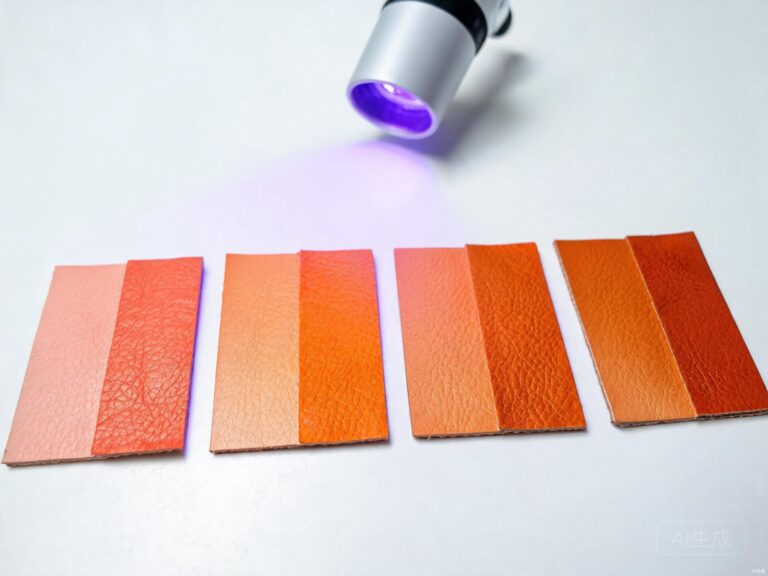
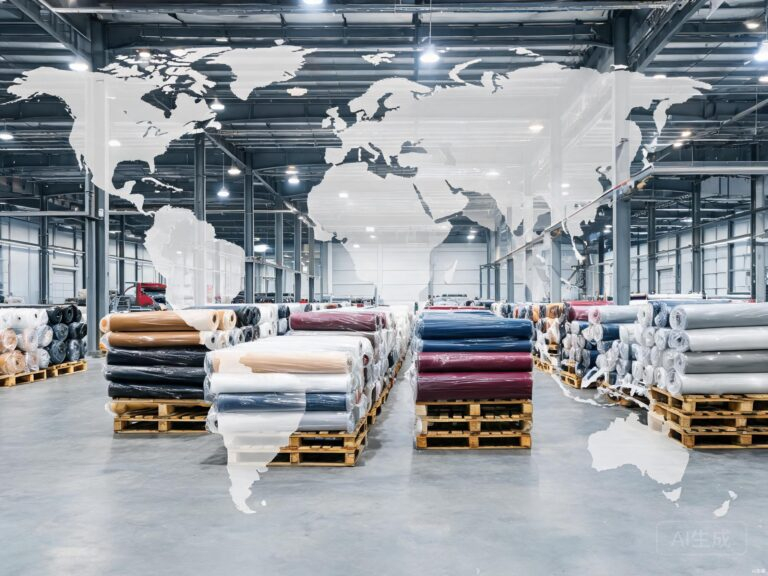
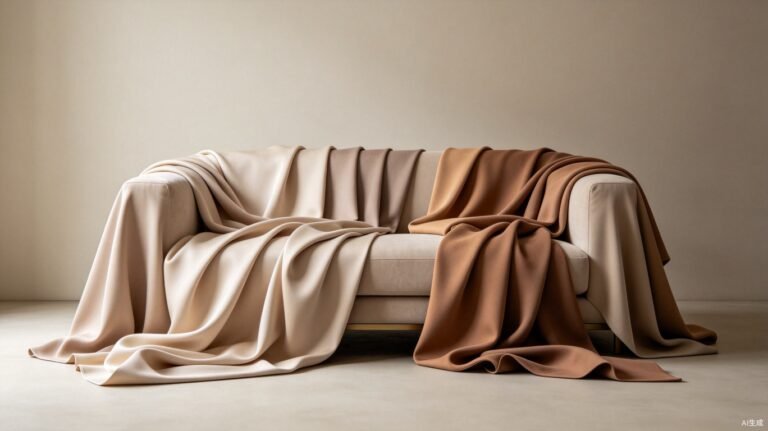
The global faux leather market exceeds $41 billion. It grows every year. Yet finding a trustworthy faux leather manufacturer remains a serious challenge. Many buyers face quality issues, delayed shipments, and compliance failures. These problems cost time and money.
Thorough due diligence separates successful partnerships from costly mistakes. This guide gives you a five-step checklist. It covers certifications, factory audits, quality testing, pricing, and communication. Follow these steps to choose the right faux leather manufacturer for your business.
For a deeper dive into the selection process, read our guide on how to choose silicone leather factory.
Why Choosing the Right Faux Leather Suppliers Matters
Poor supplier selection creates major risks. Inconsistent quality damages your brand reputation. Delayed shipments disrupt your production schedule. Compliance failures lead to product recalls and legal penalties.
The market is crowded with faux leather suppliers. Some operate without proper certifications. Others lack the technical expertise to meet your standards. A qualified faux leather manufacturer invests in R&D and quality systems. Choosing the wrong partner can ruin months of product development work.
A reliable faux leather manufacturer delivers consistent quality. They meet deadlines and comply with international standards. They support your product development from concept to delivery. The right partner becomes a competitive advantage for your business.

Step 1 —Verify Certifications of Faux Leather Companies
Certifications prove a supplier meets recognized standards. They are your first filter when evaluating faux leather companies. Always request copies of current certificates. Verify they are valid and issued by accredited bodies.
Key Certifications to Check
- ISO 9001 —Quality Management System. Confirms the faux leather manufacturer follows strict quality processes. Learn more about ISO 9001.
- ISO 14001 —Environmental Management System. Shows commitment to reducing environmental impact.
- OEKO-TEX LEATHER STANDARD —Tests for harmful substances. Ensures products are safe for consumers. Visit the official OEKO-TEX site.
- REACH Regulation —EU chemical compliance. Required for products sold in European markets.
- GRS (Global Recycled Standard) —Verifies recycled content claims. Important for sustainability-focused brands.
- BSCI —Social compliance audit. Confirms ethical labor practices and safe working conditions.
Check the faux leather manufacturer certification dates. Expired certificates mean nothing. Also confirm the certificate scope covers the specific products you plan to order.
View our full list of certifications to see what a compliant supplier looks like.
Step 2 —Audit the Faux Leather Factory Production Capabilities
Factory audits reveal the real production capacity of a faux leather factory. Photos and brochures are not enough. You need to verify actual capabilities on the ground or through detailed virtual inspections.
Factory Audit Checklist
- Production line capacity —What is the monthly output? Can they scale for large orders?
- Technology and equipment —Are machines modern and well-maintained? Ask about coating, embossing, and finishing lines.
- Quality control checkpoints —How many inspection stages exist? Look for inline and final QC processes.
- Testing equipment calibration —Are lab instruments calibrated regularly? Ask for calibration records.
- MOQ and lead time flexibility —Can they handle small trial orders? What are standard lead times?
- Stock fabric availability —Do they maintain ready stock for quick turnaround orders?
A professional faux leather manufacturer will welcome factory visits. They provide transparent production data. They share detailed process documentation without hesitation.
Watch our factory production line in action below. This video shows the full manufacturing process from raw materials to finished rolls.
Learn more about our factory production capabilities and equipment.
Step 3 —Evaluate Quality Testing Standards of Your Synthetic Leather Manufacturer
Quality testing separates premium suppliers from low-cost producers. A qualified synthetic leather manufacturer performs rigorous tests on every production batch. Ask for detailed test reports before placing orders.
Essential Quality Tests
- Martindale abrasion (ISO 12947) —Measures durability under rubbing. Higher cycles mean longer product life.
- Wyzenbeek abrasion (ASTM D4157) —Standard test for the US market. Critical for upholstery applications.
- Tear strength (ISO 4674) —Evaluates resistance to tearing forces. Important for furniture and automotive uses.
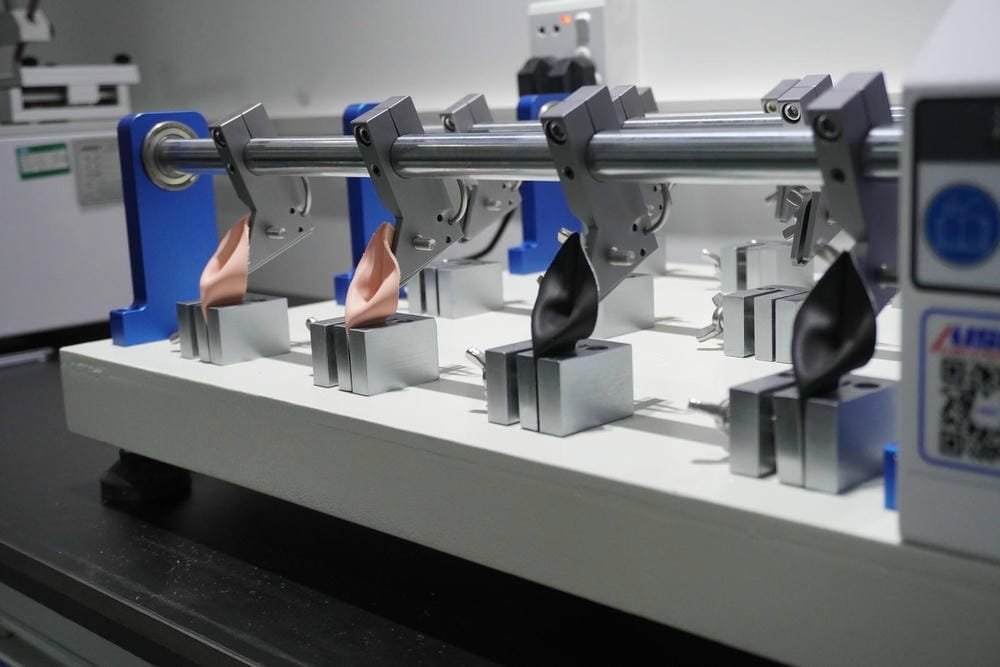
- Flex endurance (ASTM D2097) —Tests how material withstands repeated folding. Key for seating and wearable products.
- Color fastness (ISO 105-X12) —Checks resistance to rubbing and light exposure. Prevents fading complaints.
- VOC emissions (ISO 12219-4) —Measures volatile organic compounds. Essential for automotive interiors.
- Flame retardancy (Cal TB 117, BS 5852) —Fire safety standards for furniture and transportation.
Request a technical data sheet that lists all test results. Compare these numbers against your project requirements.

A trustworthy faux leather manufacturer shares test data openly. They explain testing methods and what the numbers mean for your specific application.
Step 4 —Compare Pricing and Terms from Multiple Synthetic Leather Suppliers
Price matters, but value matters more. When evaluating a synthetic leather supplier, compare the full package. Low prices often mean corners cut on quality or compliance.
Pricing and Terms Benchmark
- MOQ ranges —Stock colors: 300 to 500 meters. Custom production: 1,000 to 3,000 meters per color.
- Lead times —Stock orders: 15 to 25 days. Custom orders: 25 to 40 days after sample approval.
- Payment terms —Standard: 30% deposit, 70% before shipment. Negotiate for better terms on repeat orders.
- Sample fees —Some suppliers charge for samples. Others offer free samples for qualified B2B buyers.
- Shipping terms —FOB, CIF, or DDP. Understand who handles customs and logistics costs.
Negotiation Tips
- Get quotes from at least three faux leather manufacturers before deciding.
- Request detailed cost breakdowns. Understand what drives the price.
- Negotiate volume discounts for annual supply agreements.
- Clarify all hidden costs. These include tooling, sampling, and freight charges.
- Start with a trial order before committing to large volumes.
Remember that the cheapest quote is rarely the best choice. Factor in quality consistency, reliability, and technical support when comparing faux leather manufacturers.
Step 5 —Assess Communication and Support from Your Artificial Leather Manufacturer
Good communication prevents costly mistakes. A responsive artificial leather manufacturer saves you time and reduces project risk. Evaluate their communication before signing any contract.
Communication Evaluation Criteria
- Response time —Do they reply within 24 hours? Slow responses signal poor service.
- Sample provision —How quickly can they send samples? Fast sampling speeds up your development cycle.
- Technical support —Can their engineers advise on material selection? Expert guidance adds real value.
- After-sales service —What happens if you find quality issues? Clear return and replacement policies are essential.
- Language capabilities —Do they communicate clearly in English? Miscommunication leads to specification errors.
- Dedicated account management —Will you have a single point of contact? Consistent communication builds trust.

A professional faux leather manufacturer treats every inquiry seriously. They provide detailed technical answers. They follow up proactively. This level of service indicates how they will handle your ongoing orders.
Sourcing Faux Leather Wholesale: Best Practices for Bulk Orders
Large orders require careful planning. When sourcing faux leather wholesale, follow proven practices to protect your investment. The right faux leather manufacturer will guide you through the entire process. They ensure consistent supply and quality at scale.
Best Practices for Bulk Orders
- Request samples first —Always test physical samples before placing production orders. Check color, texture, thickness, and hand feel.
- Start with trial orders —Place a small initial order. Verify quality and service before scaling up.
- Build long-term relationships —Reliable supply chains depend on trust. Invest time in building strong supplier partnerships.
- Negotiate volume discounts —Larger orders should come with better pricing. Discuss tiered pricing structures upfront.
- Plan for seasonal demand —Order early to avoid peak-season delays. Maintain safety stock for critical materials.
- Document everything —Keep records of specifications, test results, and communication. This protects both parties.
Order free samples from TOPSUN to evaluate our material quality before your next bulk purchase.
Conclusion
Finding the right faux leather manufacturer requires systematic evaluation. This five-step checklist covers everything you need. Verify certifications. Audit factory capabilities. Evaluate quality testing standards. Compare pricing and terms. Assess communication and support.
Each step reduces your risk. Together, they help you build a reliable supply chain. A qualified faux leather manufacturer becomes a strategic partner. They support your growth with consistent quality and dependable service.
Take the first step today. Apply this checklist to your current supplier shortlist. Partner with a certified faux leather manufacturer to start the conversation.
About TOPSUN
TOPSUN is an ISO-certified silicone leather manufacturer in China. We offer custom colors, textures, and thicknesses for automotive, furniture, marine, and medical applications. Free samples available for qualified B2B buyers.