Museums and galleries face a tension that most public spaces never feel. Every bench, sofa, and display surface must welcome thousands of visitors while protecting irreplaceable artifacts from invisible threats. Standard upholstery can off-gas volatile compounds, harbor allergens, and break down under the constant abrasion of daily traffic. For procurement teams sourcing museum furniture, the stakes are higher than comfort alone. You need a gallery furniture material that is chemically inert, physically resilient, and visually refined. Silicone leather meets all three demands. In this guide, we’ll break down why conservation-grade leather for museum exhibitions is becoming the default choice for cultural institutions worldwide — and what to look for when evaluating suppliers.
The Hidden Risks of Standard Upholstery in Museums
Traditional fabrics and animal hides were never designed for the microclimate of a modern gallery. Here’s the reality: polyurethane foams and PVC-based covers release volatile organic compounds that can shift the pH balance inside display cases over time. Animal leather treated with chromium salts carries similar chemical risks. Even natural wool absorbs atmospheric pollutants and redistributes them across a room.
For exhibition seating that sits just meters from priceless paintings or ancient textiles, this isn’t a minor concern. Leading conservation organizations have documented cases where off-gassing upholstery accelerated the degradation of sensitive organic materials. The threat is invisible but cumulative.
Add the physical demands — thousands of daily visitors, coffee spills, and UV exposure from skylights — and standard materials simply don’t last. Most conventional fabrics need replacement every three to five years in high-traffic zones. That cycle is expensive, disruptive, and potentially hazardous to the collection. When you’re specifying a display furniture fabric for a public gallery, “good enough” is rarely good enough.
What Makes Silicone Leather Ideal for Museum Exhibitions
Silicone leather is a coated fabric where the top layer is pure silicone — not polyurethane, not PVC, and not animal hide. The result is a surface that is effectively inert. It doesn’t off-gas. It doesn’t support microbial growth. It resists the UV degradation that fades conventional upholstery in sunlit atriums.
In our experience supplying furniture upholstery applications for public spaces, the performance gap is immediate. Silicone-based surfaces typically exceed 100,000 Martindale abrasion cycles without visible wear. They repel stains from coffee, ink, and hand lotion — the everyday contaminants of public seating. And unlike genuine leather, they maintain consistent color and texture across large batch orders. That matters when you’re upholstering forty identical museum benches and every shade must match.
There’s a sustainability angle, too. Premium silicone leather contains no plasticizers, no heavy metals, and no solvents. For institutions publishing environmental impact reports, that’s a measurable advantage. When visitors touch a bench and walk away without chemical residue on their hands, that safety translates directly into institutional reputation.
| Property | Genuine Leather | PU Leather | Silicone Leather |
|---|---|---|---|
| Off-gassing | Possible (tanning agents) | Moderate (VOCs) | Negligible |
| UV resistance | Fades over time | Degrades and cracks | High stability |
| Stain resistance | Absorbs oils/liquids | Moderate | Excellent |
| Maintenance | Regular conditioning | Specialized cleaners | Soap and water |
| Typical lifespan | 5–8 years | 3–5 years | 10–15 years |

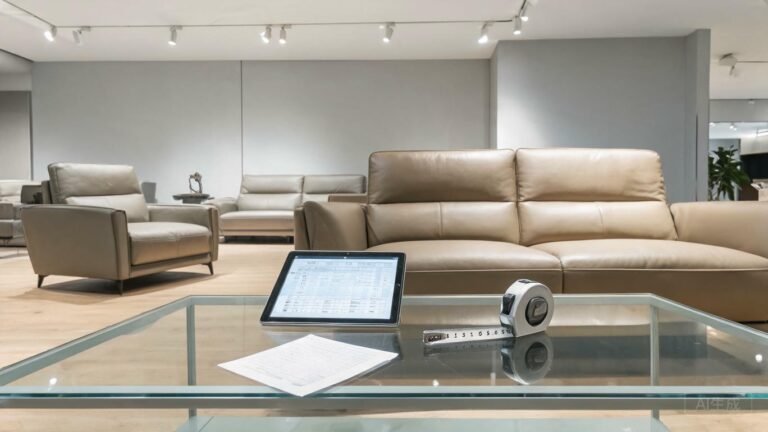
Premium silicone leather upholstery delivers museum-grade durability without chemical off-gassing.
See why cultural institutions trust silicone leather for public-facing furniture.
Fire Safety and Regulatory Compliance
Public buildings face strict fire codes, and museums are no exception. Upholstery in exhibition halls must meet national and local flame-retardant standards — often including CAL 133, BS 5852, or EN 1021. The challenge? Many fire-retardant treatments applied to conventional fabrics degrade over time or release corrosive byproducts when exposed to heat.
Silicone leather offers an integrated solution. The material can be manufactured with inherent flame resistance built into the silicone matrix rather than sprayed on as a surface treatment. That means the fire safety performance doesn’t wash out, wear off, or diminish over a decade of use. If you’re specifying materials for a new wing or renovation, ask your supplier for third-party test reports that match the exact standard your jurisdiction requires. Reputable manufacturers will provide certificates without hesitation.
Key insight: Inherent flame resistance outlasts surface treatments by the full lifecycle of the furniture. Always request batch-specific test documentation before placing bulk orders.
At TOPSUN, we engineer fire safety standards directly into the material formulation for public space installations, giving facility managers confidence that seating meets code on day one and year ten.

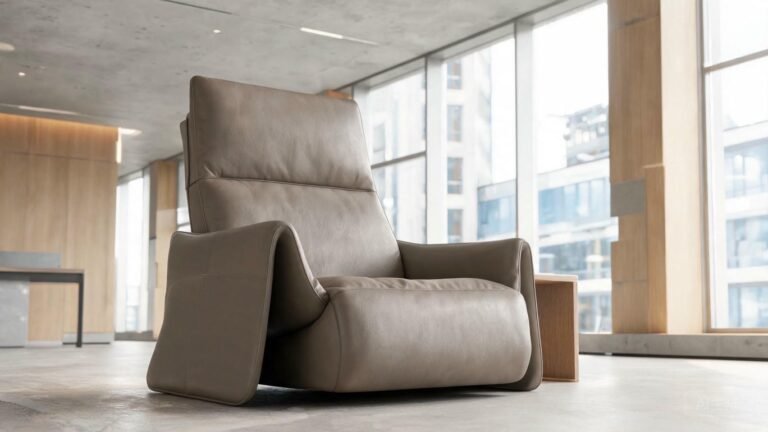
Modern galleries demand seating that complements the aesthetic while surviving continuous public use.
Leather for Museum Exhibitions Built for High Traffic
Cultural institution seating must do more than look good on opening day. It needs to survive five, ten, or fifteen years of continuous public use without sagging, splitting, or discoloring. When we evaluate museum bench material for clients, we look at three factors beyond surface appeal: substrate stability, seam strength, and foam compatibility.
Silicone leather performs well on all counts. Its flexibility allows it to wrap compound curves and tight corners without stress cracking — essential for modern bench designs. The material’s low surface tension means it doesn’t absorb oils from skin contact, which prevents the darkening and degradation you see on traditional armrests. And because it doesn’t off-gas, it won’t degrade the high-resilience foam underneath. Your frames and cushions often outlast the cover, but with silicone leather, the cover lasts just as long.
Color stability is another factor galleries overlook until it’s too late. Our silicone leather undergoes rigorous UV and color-fastness testing to ensure that earth tones and neutrals stay consistent under gallery lighting for years. Whether you need warm umbers for a classical wing or cool grays for a contemporary space, designer-grade surface options give curators the palette freedom they expect.

Batch-consistent color matching ensures every bench, sofa, and armchair aligns with the gallery’s design vision.
Maintenance and Total Cost of Ownership
Here’s something procurement teams appreciate: silicone leather cleans with mild soap and water. No specialized solvents. No conditioning creams. No quarterly professional treatments. For facilities managing hundreds of seats across multiple galleries, that simplicity translates directly into labor savings.
The total cost picture is even more compelling. While the per-meter price of premium silicone leather may exceed basic PU alternatives, the lifecycle math usually favors it. A typical museum sofa in silicone leather upholstery can remain in service for 10 to 15 years with minimal maintenance. The same piece covered in conventional fabric often needs reupholstering twice in that same period — plus the downtime, labor, and disposal costs that come with it. For institutions working under tight budgets, that long-term reliability makes silicone leather a fiscally responsible choice, not a luxury upgrade.
Frequently Asked Questions
Is silicone leather safe to use near sensitive artifacts?
Yes. High-quality silicone leather is chemically inert and does not off-gas volatile organic compounds. It contains no plasticizers or heavy metals, which makes it suitable for environmentally responsible production standards. Many conservation teams now specify it for seating within enclosed galleries where air circulation is limited.
How does silicone leather compare to genuine leather for museum use?
Genuine leather requires regular conditioning, is susceptible to UV fading, and can release tanning chemicals over time. Silicone leather offers comparable aesthetics without the maintenance burden or chemical risk. It also delivers more consistent batch-to-batch color matching, which is critical when furnishing large galleries with matching pieces.
What fire certifications should we request?
Ask for test reports matching your local standards. Common requirements include CAL 133, BS 5852, EN 1021, and NFPA 260. Ensure the flame resistance is inherent to the material matrix, not a surface treatment that may degrade. Reputable suppliers should provide documentation from standardized testing protocols upon request.
Investing in Conservation-Grade Leather for Museum Exhibitions
Sourcing leather for museum exhibitions is not a routine procurement decision. It is an investment in the longevity of your building, the safety of your collection, and the comfort of your visitors. Silicone leather offers a rare combination of conservation-grade inertness, public-space durability, and design flexibility. For procurement teams evaluating their next renovation or new build, the question is no longer whether specialized materials are necessary — it’s which supplier can deliver consistent quality at scale.
About TOPSUN
TOPSUN specializes in OEM/ODM silicone leather manufacturing for furniture, automotive, and public-space applications. With full control over coating formulas, texture design, and color matching, we supply cultural institutions with batch-consistent, conservation-grade upholstery materials.
Relevant certifications: REACH, RoHS, CA Prop 65, ISO 9001. Optional flame-retardant grades available for public-space compliance.