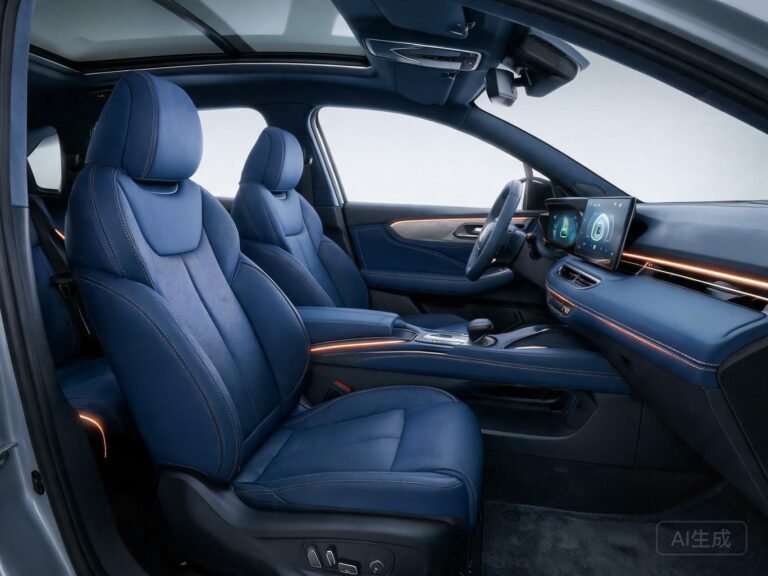
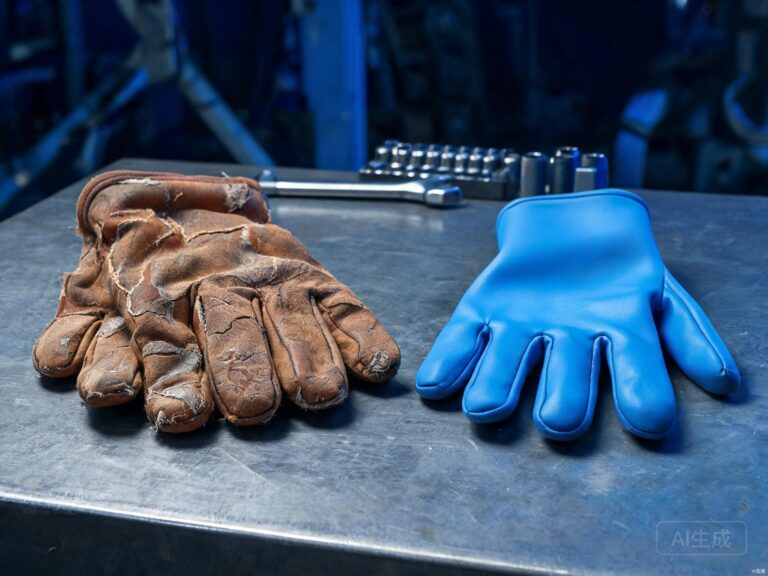
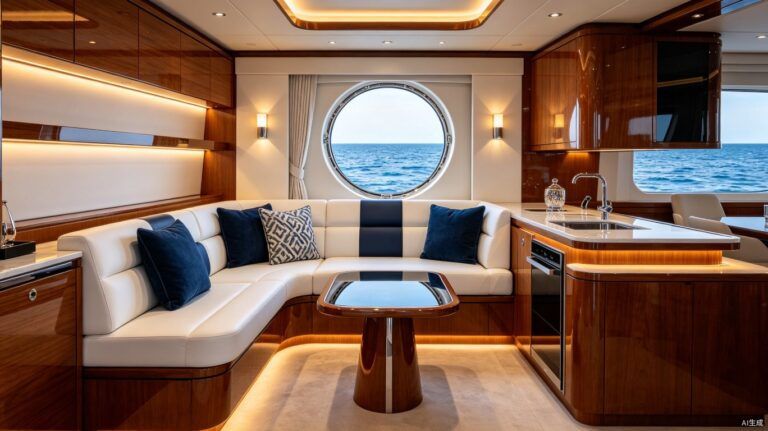
A boutique hotel in Shanghai installed genuine leather decoration panels across its lobby concierge desk and feature walls. The panels looked stunning on day one. But 18 months later, hairline cracks ran along every seam exposed to the overhead heating duct, and the once-rich cognac color had faded to a patchy unevenness near the floor-to-ceiling windows. The renovation team had budgeted for a 10-year lifespan. They got less than two.
Leather decoration in commercial interiors — wall panels, headboard accents, column wraps, reception desk cladding — demands a material that can survive constant UV exposure, temperature swings, and thousands of touches per month. Genuine leather and conventional synthetics like PU and PVC were never engineered for that environment. Silicone leather was. Here is what goes wrong with traditional leather decoration in commercial spaces — and how to specify a material that actually lasts.
Request Free Decoration Samples

Leather decoration panels in a luxury retail boutique — where durability meets design
Where Decorative Leather Surfaces Fail First in High-Traffic Interiors
In our experience working with hospitality and retail clients, leather wall panels fail in three predictable zones. The first is near heat sources — HVAC vents, radiators, or sun-facing glass. Genuine leather loses moisture at sustained temperatures above 40°C, and once the natural oils evaporate, the material becomes brittle. Cracks form along tension points where the leather was stretched during installation.
The second failure zone is high-touch surfaces. Reception desk fronts, bar cladding, and elevator-bank panels take hundreds of contacts daily. Oils from skin, cleaning chemicals, and friction wear down the topcoat on PU and PVC leather within 12-24 months. The surface turns tacky, then peels.
The third zone is UV-exposed walls. Foyers with large windows, atrium columns, and mezzanine railings face intense daylight that breaks down the pigments in conventional leather. Fading is irreversible — there is no way to restore color uniformity without replacing the panels entirely.

Color consistency matters — swatch wall shows the range available for commercial decoration projects
The Real 5-Year Cost of Genuine Leather Wall Covering
Procurement teams often compare material unit prices and pick the cheapest option. That calculation ignores the true cost of leather decoration over its service life. Here is what the numbers look like when you factor in maintenance, replacement, and downtime.
| Material | Lifespan | UV Resistance | Cleanability | Temp Range |
|---|---|---|---|---|
| Genuine Leather | 3-5 years | Poor — fades | Monthly conditioning | -10 to 60°C |
| PU Leather | 2-4 years | Moderate | Wipeable | -10 to 80°C |
| PVC Leather | 2-3 years | Moderate | Wipeable | -10 to 70°C |
| Silicone Leather | 10-15+ years | Excellent | Damp cloth only | -40 to 250°C |
The math is straightforward. If genuine leather panels need replacement every 4 years and silicone leather lasts 12, you pay for three rounds of material, labor, and operational disruption over the same period. One of our hotel clients calculated that switching to silicone leather composition for their lobby decoration cut their 12-year decoration budget by 58% — even though the per-meter unit price was higher.

Fire resistance test — silicone leather self-extinguishes when flame source is removed
Why Silicone Leather Decoration Lasts 10+ Years
The durability gap comes down to molecular structure. Silicone is a fundamentally stable polymer — it does not break down under UV, it does not off-gas plasticizers, and it does not become brittle at temperature extremes. When applied as a leather decoration surface, those properties translate directly to longer service life in the exact environments where genuine leather and PU fail.
Specifically, silicone leather decoration panels deliver three things traditional materials cannot match simultaneously:
- UV stability: No fading or yellowing even in sun-exposed foyers and atriums — the silicone backbone absorbs UV without degradation
- Thermal resistance: Performs from -40°C to 250°C, so HVAC ducts and radiant heating will not cause cracking or delamination
- Hydrolysis resistance: 100% waterproof structure means humidity and cleaning solutions cannot penetrate and break down the coating-to-substrate bond
Martindale abrasion resistance verified at 200,000 cycles. That is the threshold where most commercial leather decoration surfaces have already failed. Silicone leather keeps going.
Fire Safety and Acoustic Specs for Commercial Leather Decoration
Commercial interior projects live and die by compliance. In many jurisdictions, wall-mounted leather decoration must meet specific fire safety standards before it can be installed in hospitality, healthcare, or public assembly spaces. Genuine leather can be treated for fire retardancy, but those chemical treatments leach out over time and compromise the surface finish.
Silicone is inherently flame-resistant — it self-extinguishes when the ignition source is removed and does not produce toxic halogen gases when heated. This makes it a natural fit for projects that need to pass fire code without additional chemical coatings. For projects in China, the GB/T 39033-2020 standard for upholstered wall decoration materials now requires composite performance across acoustic absorption, fire rating, and antibacterial properties — pushing specifiers toward materials that can deliver all three in a single product.
Watch how silicone leather decoration panels are engineered for commercial interiors
Acoustically, leather decoration panels serve a dual function — they add visual warmth and absorb mid-frequency sound. This matters in hotel lobbies, museum exhibition spaces, and conference rooms where echo reduction improves occupant comfort. Silicone leather maintains its acoustic absorption properties over the full service life, while PU and PVC panels lose dimensional stability — and acoustic performance — as they age and delaminate.
4 Specs to Verify Before Sourcing Decorative Surface Materials
Whether you are specifying leather decoration for a hotel, office, or retail project, these are the four data points that separate a 15-year investment from a 3-year problem:
- Martindale cycles: Demand verified test results above 100,000 cycles minimum for commercial decoration. If the supplier cannot produce a test report, walk away.
- UV test data: Request QUV or Xenon-arc weathering results showing color change (Delta E) under 3 after 200+ hours of exposure.
- VOC compliance: For eco-friendly leather decoration, verify zero-VOC certifications — especially for enclosed commercial spaces where air quality regulations are tightening.
- Temperature range certification: Confirm the material is rated for the full -40 to 250°C range if the decoration will be near HVAC, in sun-exposed areas, or in regions with extreme seasonal temperature swings.
In our testing lab, we run every production batch through abrasion, UV, and thermal cycling before it ships. That is not marketing — it is the difference between a panel that looks good at the handover inspection and one that still looks good at the 10-year inspection. To understand how silicone leather compares to PU across all performance dimensions, our technical comparison page breaks down every metric side by side.
Making the Right Material Decision
Leather decoration is not just a finish — in commercial spaces, it is a long-term performance asset. The material you choose determines whether your panels look pristine at year three or whether you are back on site, re-ordering materials, and disrupting operations. Genuine leather has the prestige but not the longevity. PU and PVC have the price but not the stability. Silicone leather decoration gives you both — the look and feel of premium leather with a service life that matches the lifecycle of the building itself.
If your next commercial interior project specifies leather decoration, the question is not whether to use silicone leather — it is whether you can afford not to.
See how silicone leather performs in luxury retail decoration projects for a real-world application case.
About TOPSUN
TOPSUN engineers silicone leather decoration materials for commercial interior applications spanning hotel lobbies, executive offices, retail boutiques, and hospitality venues — delivering the look of genuine leather with 10-15+ years of verified service life.
ISO 10993 certified | REACH & PAHs compliant | 200,000+ Martindale cycles | -40 to 250°C thermal stability | Custom colors and embossed patterns | Zero-VOC manufacturing