Leather colors are one of the most visible — and most underestimated — factors in B2B material sourcing. Most buyers treat color selection as a purely aesthetic decision: pick a swatch, match it to the design brief, done. But the truth is that color affects everything from material cost to durability to minimum order quantities. The wrong color choice can increase your material cost by 40%, shorten product lifespan by half, or require MOQs 10x higher than you planned.
Having worked with color teams at automotive OEMs, furniture brands, and fashion accessory manufacturers for over a decade, I’ve seen how color decisions can make or break a product’s profitability. This guide covers the 2026 color trends, explains why some leather colors cost more than others, breaks down the color quality issues to watch for, and shows how synthetic leather is changing the color game for B2B buyers.
2026 Leather Color Trends: What B2B Buyers Are Specifying
Color trends in leather and synthetic leather reflect broader design movements — sustainability, biophilia, post-pandemic comfort, and digital-era boldness. Based on current industry data and our own customer inquiries, here are the dominant color directions for 2026:
1. Earthy & Nature-Inspired Neutrals
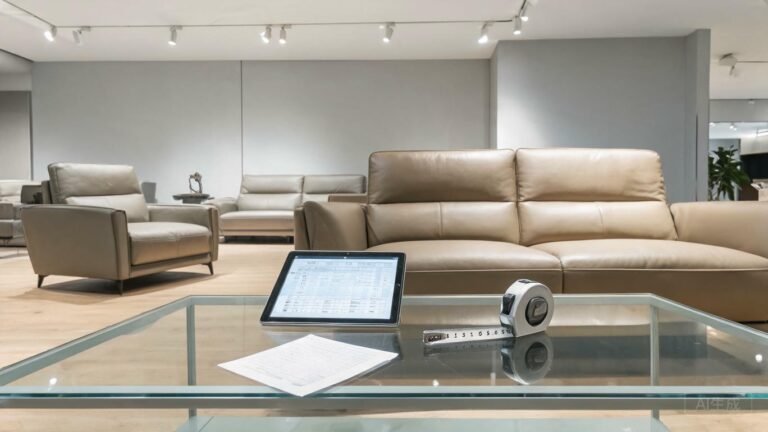
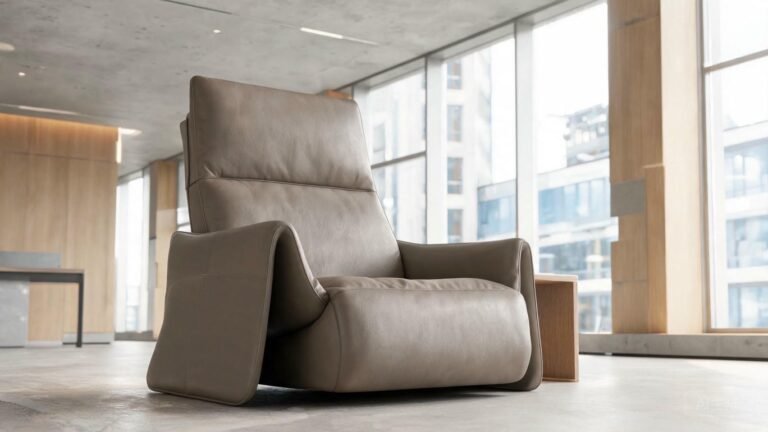
Warm, organic neutrals continue to dominate furniture and contract upholstery. Think clay beige, warm taupe, olive green, sage, terracotta, and sand — colors that echo natural materials and bring outdoor serenity indoors. This trend is driven by the biophilic design movement and the sustainability narrative: earth tones feel inherently more natural and eco-friendly. Beige, taupe, and greige are especially strong in EU and US markets for minimalist and Scandinavian-inspired interiors.
2. Vintage Brown & Caramel
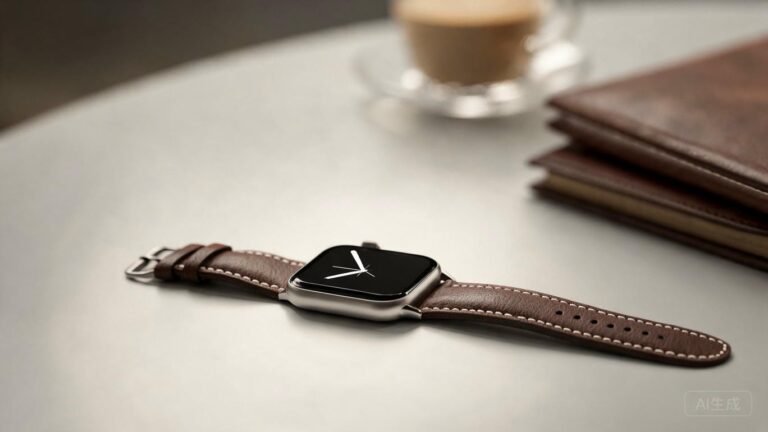
Brown never really goes out of style, but it’s experiencing a resurgence in popularity — particularly warm, vintage-inspired tones like caramel brown, cognac, saddle tan, and whiskey brown. These colors evoke craftsmanship, nostalgia, and timeless quality. Vintage brown scores a 9/10 popularity rating with 15% expected market growth, making it the strongest trend color of 2026. It’s the default color for mid-century modern furniture, heritage-style automotive interiors, and artisanal leather goods.
3. Bold & Confident Accent Colors
After several years of neutral-dominant palettes, bold accent colors are making a comeback. Emerald green, sapphire blue, rose red, and bright orange are showing up as statement pieces in furniture and automotive design — think accent chairs, headrests, and decorative panels rather than full-room upholstery. The trend reflects consumers’ growing willingness to express personality in their spaces, moving beyond the safe all-neutral palettes of the 2020s.
4. Cool Modern Greys & Slate
Slate grey and cool charcoal tones continue to be strong in modern and contemporary furniture, as well as in premium automotive interiors. Grey’s popularity is driven by its versatility — it pairs with virtually any accent color and works across minimalist, industrial, and luxury design languages. Slate grey scores 8/10 popularity with 20% expected growth, making it one of the fastest-growing neutrals.
5. Soft Pastels & Dusty Tones
Dusty rose, lilac purple, eucalyptus green, and butter yellow are gaining traction in residential furniture and fashion accessories. These soft, muted tones add color without being overwhelming — they’re approachable, comfortable, and feel “soft” in both visual and tactile terms. Lilac purple is particularly noteworthy as a rising trend, adding a touch of soft luxury to contemporary designs.

Modern leather color palettes range from earthy neutrals to bold accents — 2026 trends lean toward warm naturals with strategic pops of color.
Why Some Leather Colors Cost More Than Others
If you’ve ever compared pricing across different leather colors, you might have noticed that they don’t all cost the same. Black and brown are usually the baseline; red, white, and bright colors can cost 20–60% more. Here’s why:
| Color Category | Price Premium | Why It Costs More |
|---|---|---|
| Black, Dark Brown | Baseline (0%) | High volume, easy dyeing, hides with minor flaws acceptable |
| Tan, Cognac, Medium Brown | +5–15% | Moderate dye complexity, slightly stricter hide selection |
| Grey, Taupe, Beige | +10–20% | Grey dye is tricky to formulate; lighter colors show hide imperfections |
| Red, Burgundy, Crimson | +20–60% | Red dye molecules are large and hard to penetrate; high hide rejection rate |
| White, Ivory, Cream | +25–50% | Requires bleaching + pristine hides; any discoloration is visible |
| Bright / Bold Colors (orange, yellow, green) | +30–70% | Complex dye formulations, low volume, fast color fading risk |
| Custom / Pantone Match | +40–100%+ | Custom dye development, lab trials, high MOQ, color approval process |
Synthetic leather advantage: With silicone leather and other synthetic materials, there’s no color price premium. Black costs the same as red, white, or any custom Pantone color. The color is added during the coating process using standard pigment systems, so vibrant or unusual colors don’t require special hide selection or complex dye processes. For colors that carry a big premium in genuine leather, synthetic can be significantly cheaper.
Color Quality: The 5 Fastness Tests That Matter
The initial color of leather material is only half the story. What really matters for B2B buyers is how well that color holds up over the product’s lifespan. Poor color fastness leads to warranty claims, customer complaints, and brand damage. Always verify these five color fastness properties before specifying a leather color:
1. Light Fastness (UV Resistance)
How well does the color hold up under UV light exposure? Tested via xenon arc chamber (ISO 105-B02). Red, orange, and yellow fade fastest; black and dark brown are most stable. For automotive interiors or furniture near windows, look for ≥ 200 hours with ΔE ≤ 4 (color change not noticeable to the average observer). Premium grades should reach 300–500+ hours.
2. Rub Fastness (Crocking)
Does color transfer onto fabric when rubbed? Tested dry and wet per ISO 105-X12. Rated on a 1–5 scale (Grade 5 = no transfer). Red, dark blue, and black are most prone to crocking. Minimum acceptable for upholstery: Grade 4 dry, Grade 3–4 wet. Anything lower and you’ll get customer complaints about dye rubbing off on clothing.
3. Perspiration Fastness
Does body sweat cause color change or transfer? Important for seating applications, especially in automotive and fitness equipment. Tested per ISO 105-E04 with acidic and alkaline artificial perspiration. Both color change and staining of adjacent fabric are evaluated.
4. Water Fastness
Does water cause the color to bleed or change? Tested per ISO 105-E01. Critical for outdoor and marine applications, as well as any furniture where spills might occur. Water fastness issues are a common cause of warranty claims in budget leather furniture.
5. Heat Fastness
Does high temperature cause color migration or change? Important for automotive interiors (which can reach 70°C+ in direct sun) and products that might be stored or shipped in hot conditions. Tested per ISO 105-P01. Heat can also accelerate plasticizer migration in synthetic leathers, which can affect color appearance.

Color fastness testing is critical for quality control — five different tests evaluate how leather colors hold up to light, rubbing, sweat, water, and heat.
Custom Color Matching: Genuine Leather vs Synthetic Leather
When standard colors don’t match your brand palette, you’ll need custom color matching. The process — and the results — are very different depending on whether you’re working with genuine leather or synthetic leather:
| Factor | Genuine Leather | Silicone / Synthetic Leather |
|---|---|---|
| Color Accuracy | Approximate (ΔE 2–4 typical) | Precise (ΔE < 1 achievable) |
| Lead Time | 4–8 weeks | 2–3 weeks |
| MOQ for Custom Color | 500–2,000 hides | 300–500 yards |
| Batch-to-Batch Consistency | Variable (hide differences) | Perfectly consistent |
| Sample Iterations | 2–4 rounds common | 1–2 rounds typical |
| Color Price Premium | +40–100%+ | +10–25% (setup only) |
The consistency difference is particularly important for large production runs. With genuine leather, you’ll always have some color variation between hides — it’s a natural material. With synthetic leather, every yard is identical. For products where visual consistency across hundreds or thousands of units is critical — think hotel furniture programs, automotive interiors, retail fixtures — synthetic leather’s perfect color uniformity is a major advantage.
How to Choose the Right Leather Color for Your Product
Color selection shouldn’t be left entirely to designers — procurement, engineering, and quality teams should all have input. Here’s a framework for making data-driven color decisions:
- Start with the application environment — Is it indoors or outdoors? Sun-exposed or shaded? High-touch or low-touch? The environment determines what fastness properties you need, which in turn narrows your color options.
- Consider the product lifespan — If the product is designed for 10+ years of use, choose colors with excellent light fastness. For 2–3 year fashion cycles, trendy colors are a reasonable risk.
- Check color cost impact — Is that trendy sage green worth the 25% price premium? Can you achieve a similar effect with a standard taupe plus green accent pieces?
- Verify MOQ feasibility — Custom colors often require minimums that exceed your production volume. Make sure the math works before you fall in love with a Pantone swatch.
- Test in real conditions — Always do accelerated aging testing (UV, heat, humidity) before committing to a production color. The swatch in the showroom looks very different from the same material after 200 hours of UV exposure.
- Evaluate synthetic alternatives — If the color you want is expensive or problematic in genuine leather, check whether synthetic leather delivers it better (and possibly cheaper).
TOPSUN’s Standard Leather Color Palette
At TOPSUN, we offer 40+ standard silicone leather colors with no color premium — from classic blacks and browns to contemporary greys, bold statement colors, and soft pastels. All standard colors are available with MOQs starting at 50 yards, and every color meets the same high standards for light fastness, cleanability, and durability. For custom Pantone matching, our typical lead time is 2–3 weeks with MOQs starting at 300 yards.
Whether you’re looking for a specific 2026 trend color or need to match an existing brand palette, silicone leather offers more color flexibility, better consistency, and — for many colors — better value than genuine leather.
About TOPSUN
TOPSUN provides 40+ standard leather colors in premium silicone leather with no color price premium, plus custom Pantone matching for B2B buyers in furniture, automotive, healthcare, marine, and consumer electronics — delivering perfect color consistency and excellent color fastness across every shade.
40+ standard colors · Custom Pantone matching · ΔE < 1 accuracy · 500+ hr UV resistance · No color premium · MOQ from 50 yards