Full-grain hide can last 50 years. PU upholstery peels within three. That gap is why the word “leather” on a spec sheet really means three different materials — and why smart buyers ask which leather benefits they are actually paying for. Here is the honest transfer list: the advantages that survive when a product line moves from hide to silicone.
| Dimension | Genuine Hide | PU Leather | Silicone Leather |
|---|---|---|---|
| Service life | Decades with conditioning | 2–5 years, then peeling | 10+ years; 200,000+ Martindale cycles |
| Aging behavior | Develops patina | Cracks and yellows | Color holds; Class 4.5 light fastness |
| Care routine | Regular creams and polishes | Gentle wipes only | Wipe clean; disinfectant-resistant |
| Origin | Livestock by-product | Petroleum-based coating | Synthetic; animal-free |
Durability: The Leather Benefit Everyone Tests First
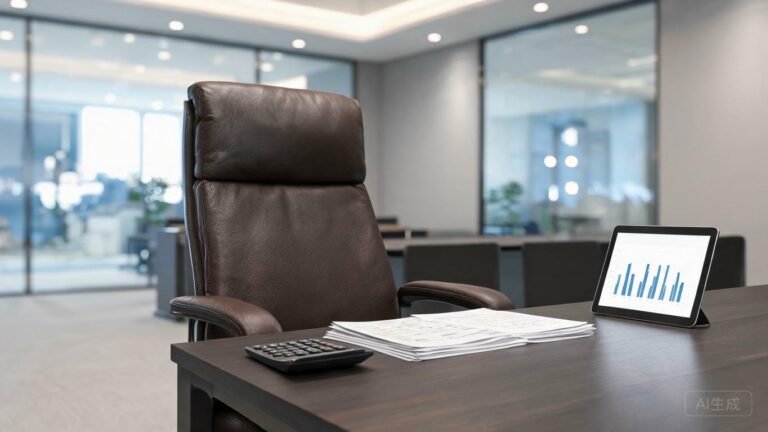
Leather’s reputation rests on its interlocking fiber structure, which resists tearing and abrasion better than most woven textiles. That is the benefit buyers want to keep. The good news: silicone coatings replicate the number, if not the biology. In our abrasion lab, finished rolls pass 200,000 Martindale cycles (ISO 12947-2) and hold tensile strength above 15 N/mm.

Martindale testing: the same cycle-count standard used to rate hide upholstery.
Patina Is One of the Few Leather Benefits You Give Up
Let’s be honest — aging gracefully is hide’s signature trick. A good bag looks better at year ten. Silicone does not patina; it simply holds. Color fastness rates Class 4.5 under xenon light (ISO 105-B06), and the surface neither cracks nor yellows because there is no plasticizer to migrate out.
For lifestyle brands, that trade-off often wins. Consistent appearance across production runs means the unit a customer buys in 2027 still matches the showroom sample from 2026.

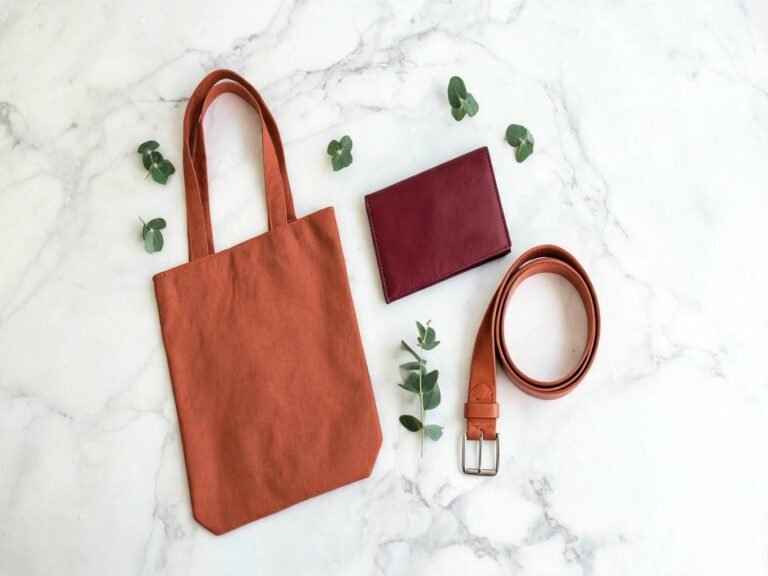
Color-stable lychee grain: no conditioning, no patina, no drift between batches.
Hygiene and Comfort: Where Silicone Adds Benefits Back
Hide demands conditioning and fears bleach. PU fears almost everything. Silicone reverses the hierarchy: hospital-grade disinfectants, alcohol wipes, and UV cleaning all pass without surface damage. VOC emissions test non-detect under ISO 16000-6, which matters in cabins, clinics, and children’s products.
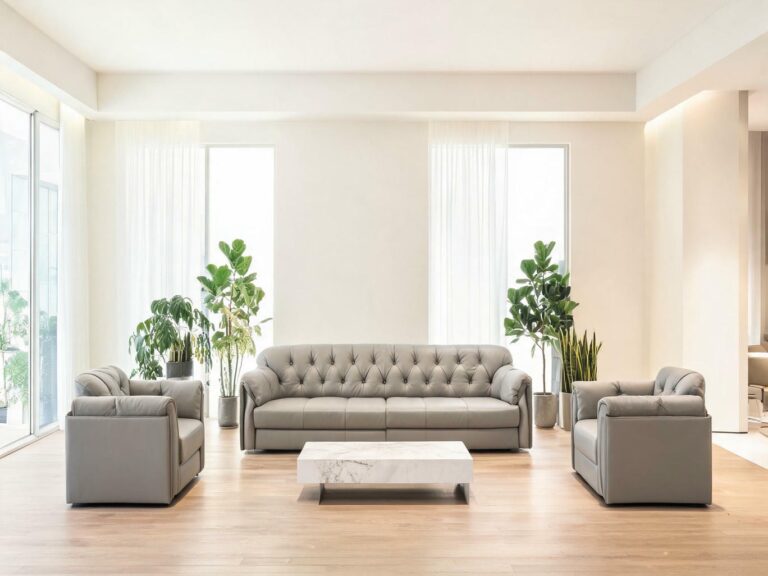
Public-facing furniture tells the same story. We’ve seen venue operators specify commercial sofa upholstery that must survive 50 cleanings a week — a routine that would strip a hide finish in a season.
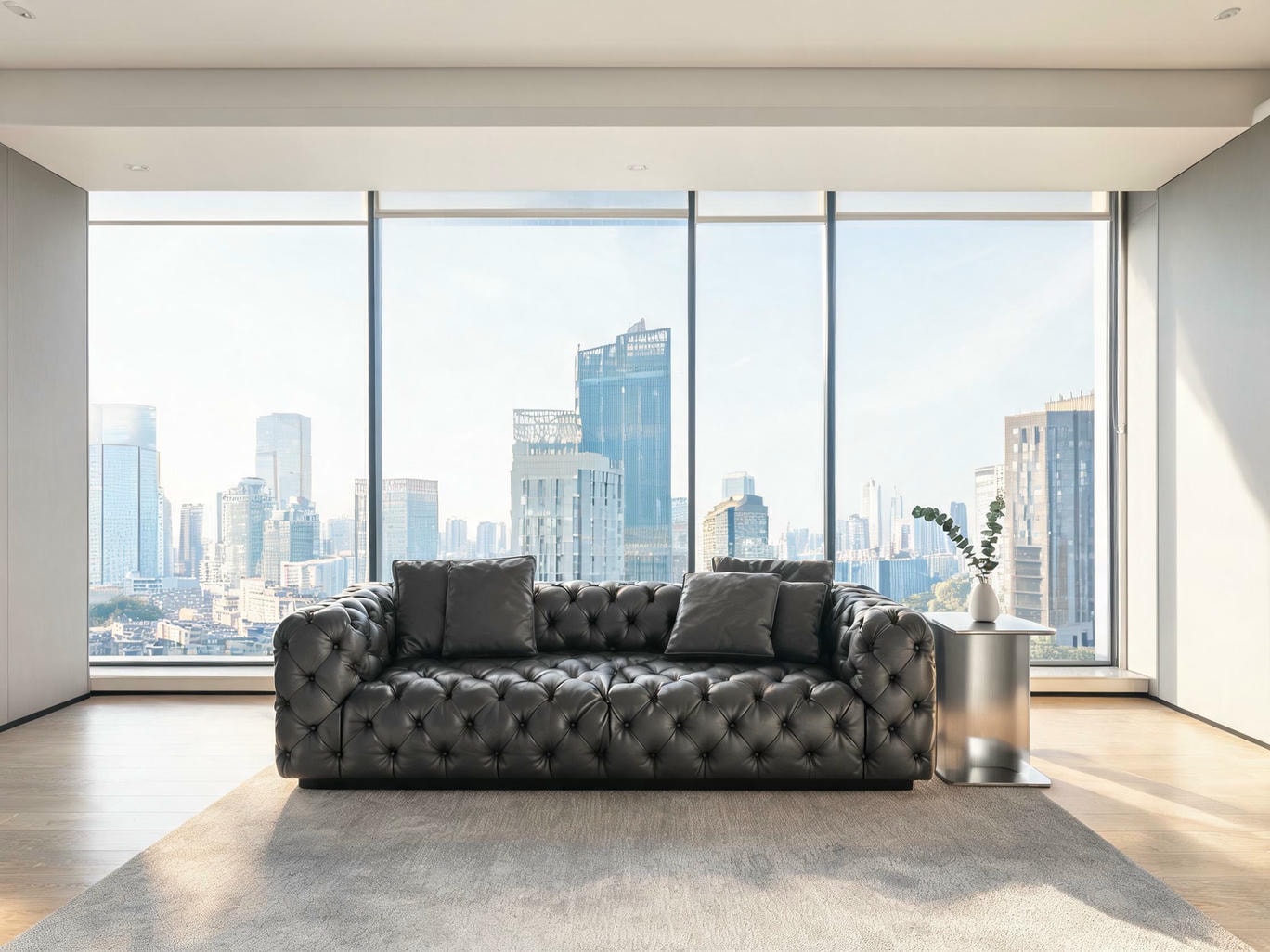
Daily-use surface: stain release without the coating failures that plague PU.
Which Leather Benefits Actually Transfer to Silicone?
Durability transfers. Cleanability transfers — and improves. Longevity in real service transfers at a fraction of PU’s failure rate. What doesn’t transfer: patina, natural hand, and the resale premium of full-grain goods. If your product story depends on those three, stay with hide. If it depends on performance per square meter, the material science is on silicone’s side. The structure of silicone leather explains why.
Side-by-side durability: watch how silicone leather behaves where PU already quit.
Verdict: Match the Leather Benefits to Your Product
| If your product needs… | Choose |
|---|---|
| Heritage story and resale value | Full-grain hide |
| 10-year service life, easy disinfection, animal-free claim | Silicone leather |
| Lowest first cost, short product cycle | PU (know the peel risk) |
Compare the trade-offs in depth in our silicone vs PU breakdown, then test the claims on your own line.
Request Silicone Leather Swatches
About TOPSUN
TOPSUN supplies performance silicone leather to brands replacing hide in furniture, transit, and healthcare programs without giving up the durability those products promise.
Batch-level ISO test reports · Disinfectant and stain-resistance validation · Animal-free, low-VOC material story · Custom color and grain matching.
References
1. https://www.leathernaturally.org/faqs/ — leather durability and by-product origin facts (Leather Naturally industry body).