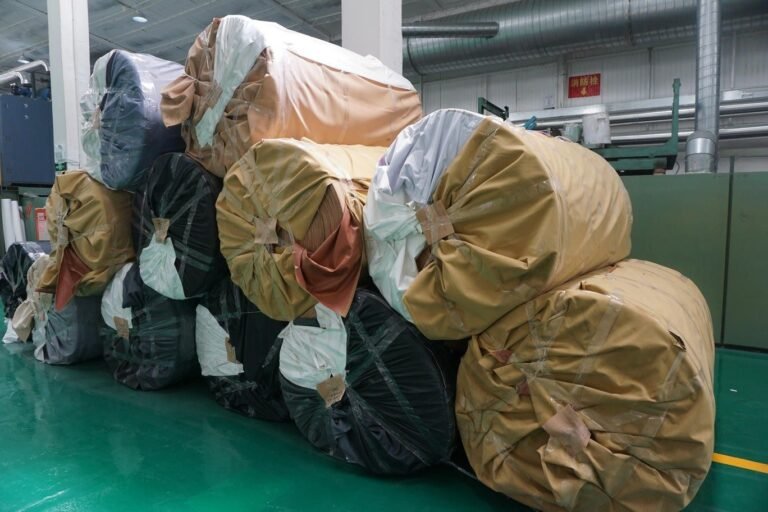
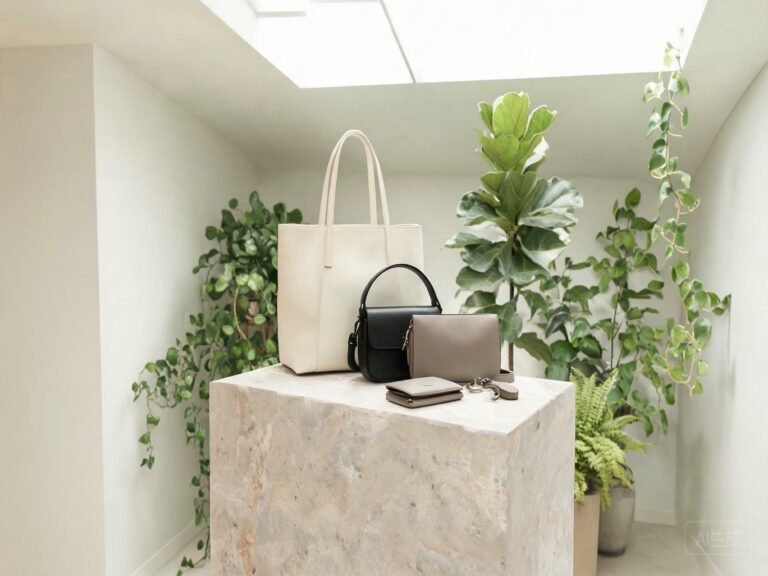
When your CFO asks why upholstery material costs jumped 38% in a single quarter, italian leather co sourcing is usually where the trail leads. Animal hide prices swing with livestock cycles, tannery emission regulations, and euro-dollar shifts — and the B2B buyers absorbing that volatility are quietly looking for exits. In our experience working with furniture and automotive OEMs, the ones who switched to silicone synthetic leather didn’t do it for sustainability PR. They did it because their spreadsheets stopped making sense.
Request Free Silicone Leather Samples
Italian Leather Co Supply Chain: Where Costs Actually Hide
The italian leather co sourcing guide for B2B procurement rarely discusses what happens after the PO is signed. Here’s what the brochures leave out: raw bovine hide prices fluctuated between $45 and $72 per hide over the past three years, driven by drought-driven herd culling in the US and tightening environmental regulations on Italian chrome tanneries in the Arno river basin. That volatility gets buried in your unit price — but it shows up in your P&L.
One of our furniture OEM clients came to us after their Italian supplier raised prices 22% mid-contract, citing “raw material force majeure.” They’d already committed to a 12,000-meter order for a hotel chain rollout. The delay cost them $180,000 in penalties. Situations like this are why procurement teams now evaluate hide supply chain risk before signing — not after.

Color matching matters — but stable pricing matters more for B2B procurement
Italian Leather vs Silicone: 5 Performance Metrics Tested
Let’s be honest — Italian leather wins on feel and patina. Nobody disputes that. But when the italian leather vs silicone leather durability comparison moves from showroom to real-world deployment, the picture changes. We pulled test data from both sides and laid it out below.
| Metric | Italian Leather (Full-Grain) | Silicone Synthetic Leather |
|---|---|---|
| Martindale Abrasion | ~25,000 cycles | 150,000+ cycles |
| Maintenance Frequency | Condition every 3-6 months | Wipe clean — zero conditioning |
| VOC Emissions | Varies by tannery (chrome-tan higher) | Zero VOC, solvent-free |
| UV / Salt Spray Resistance | Fades without treatment; ~500h | 1,500h UV, 1,000h salt spray |
| Hydrolysis (Humid Climates) | Susceptible — mold/mildew risk | Inert — zero hydrolysis |

Independent lab testing reveals where traditional leather falls short
Key takeaway: Italian leather’s Martindale rating looks acceptable until you factor in maintenance degradation. After 3 years of conditioning with leather creams, the surface softens — and abrasion resistance drops further. Silicone leather stays at 150,000 cycles from year one to year ten.
The 5-Year TCO: What “Premium” Italian Leather Actually Costs
The italian leather cost vs synthetic alternatives TCO gap is wider than most buyers realize. A $28/square-meter Italian full-grain leather sounds reasonable — until you add the hidden carrying costs that procurement teams track separately.
Over a 5-year deployment cycle, the real math looks like this: base material at $28/sqm, plus conditioning products and labor at $4/sqm/year, plus 12% replacement for hydrolysis damage in humid markets, plus 8% price volatility buffer. That brings the effective 5-year cost to roughly $58/sqm. Silicone synthetic leather starts at a higher unit price but carries zero maintenance, zero hydrolysis replacement, and a fixed-price contract — landing around $38/sqm over the same period. You can verify the full methodology in our detailed cost-lifespan comparison.

5-year TCO analysis: Italian leather’s hidden costs add up fast
Compliance Pressures: Italian Tanneries vs Zero-VOC Alternatives
Italian leather tannery environmental compliance is under tightening scrutiny. The European Chemicals Agency (ECHA) has progressively restricted chromium VI compounds, and REACH SVHC now lists 240+ substances — many used in conventional leather finishing. Italian tanneries have adapted, but compliance documentation adds cost and lead time. For buyers shipping to California (Prop 65), the EU (REACH), or medical-adjacent markets, the audit trail gets heavier every year.
Silicone synthetic leather sidesteps most of this. Made from PDMS (polydimethylsiloxane), it contains zero plasticizers, zero formaldehyde, zero phthalates, and zero PFAS. It passes ISO 16000-6 VOC testing at negligible emission levels and carries REACH, FDA 21 CFR 177.2600, and ISO 10993-5 biocompatibility certifications. For buyers who need the documentation, not just the material, that’s a meaningful difference.

Layer construction: what looks like premium hide may hide compliance risks
Watch how silicone leather outperforms traditional leather in side-by-side material tests
Switching Checklist: 7 Specs to Verify Before Replacing Italian Leather
Italian leather company quality standards certification varies enormously between tanneries — some are world-class, others ship inconsistent grain and color. Before you switch suppliers, verify these seven specs to avoid replacing one problem with another:
- Abrasion rating: Demand Martindale test data — minimum 100,000 cycles for commercial upholstery, 150,000+ for high-traffic.
- VOC certificate: Request ISO 16000-6 results, not just a “low-VOC” claim. The number matters.
- Hydrolysis data: Ask for ASTM D3690 results — 14+ weeks at minimum for humid-climate deployments.
- Color fastness: ISO 105-X12 rubbing and ISO 105-B06 light aging — both at Grade 4 or above.
- Supply stability: Fixed-price contract terms and guaranteed lead times — not “subject to raw material availability.”
- Substrate compatibility: Confirm the backing works with your lamination or sewing process.
- Third-party testing: SGS or Intertek reports — not just in-house QC sheets.
We’ve seen buyers skip steps 3 and 4, then face field failures in Southeast Asian markets within 18 months. The material comparison methodology page walks through each test in more detail.
For broader application context across furniture, automotive, and marine industries, the applications overview maps which specs matter most per sector. And if your compliance team needs third-party verification, the ECHA REACH regulation database is the authoritative source for restricted substance lists.
Frequently Asked Questions
Is silicone leather actually cheaper than Italian leather?
On unit price alone, no — Italian full-grain can be competitive. But on 5-year TCO including maintenance, replacement, and volatility buffer, silicone leather runs roughly 35% lower. The gap widens in humid climates where Italian leather’s hydrolysis risk triggers premature replacement.
Can silicone leather match Italian leather’s visual and tactile quality?
For most B2B applications — yes. TOPSUN offers 100+ embossed textures and Pantone-matched colors with Delta E ≤ 1.0. Silicone leather won’t develop a patina like veg-tan Italian leather, but for commercial upholstery where patina equals wear, that’s actually an advantage.
The Bottom Line for Procurement Teams
Nobody is saying Italian leather is bad material. It’s exceptional — for the right application, the right climate, and the right budget. But the italian leather co sourcing model was built for a world of stable hide prices, loose environmental regulations, and buyers who could absorb 20% cost swings. That world is gone. For B2B procurement teams managing multi-year deployments across variable climates, silicone synthetic leather delivers the aesthetic quality buyers want with the cost predictability their CFOs need.
Request Free Silicone Leather Samples
About TOPSUN
TOPSUN manufactures solvent-free silicone synthetic leather for B2B buyers seeking Italian-leather aesthetics without hide-price volatility or chrome-tanning compliance risks across furniture, automotive, and marine applications.
150,000+ Martindale cycles · ISO 10993-5 biocompatible · REACH & FDA 21 CFR 177.2600 compliant · 100+ Pantone-matched textures · 7-15 day lead times from 60,000 sqm facility · 6,000,000 sqm annual output