A roll arrives labeled “cotton-back PU.” Three weeks into production, the heat press scorches it — the backing was polyester. One misidentified layer scrapped an entire batch. Knowing how to identify fabric correctly is the cheapest insurance a B2B buyer can carry. Here are five field tests you can run on the warehouse floor, one backside trick, and the lab methods our QC team relies on before any roll ships.
Why Fabric Identification Decides Your Defect Rate
The synthetic leather market hit $48.84 billion in 2026 and keeps expanding at over 8% a year, according to Mordor Intelligence. Fast growth attracts hundreds of new suppliers — and inconsistent labeling along with them. Backing fibers get swapped to cut cost. Coatings get misdeclared as PU when they are PVC.
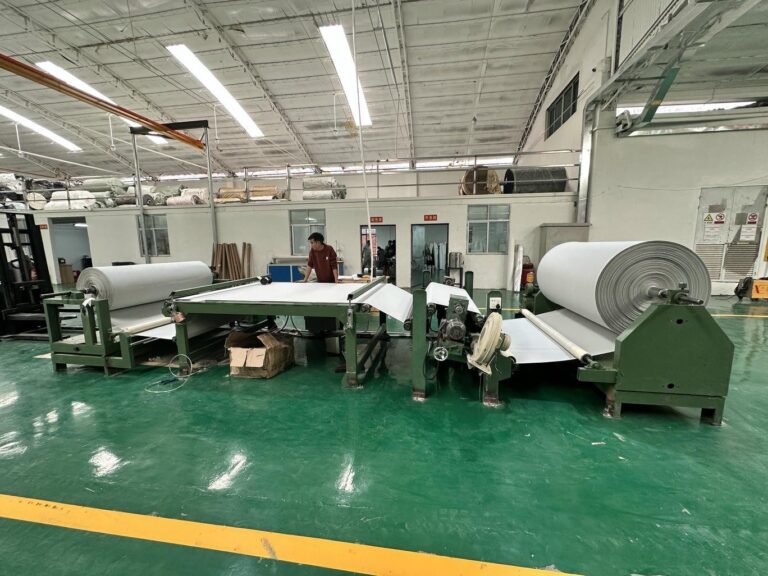
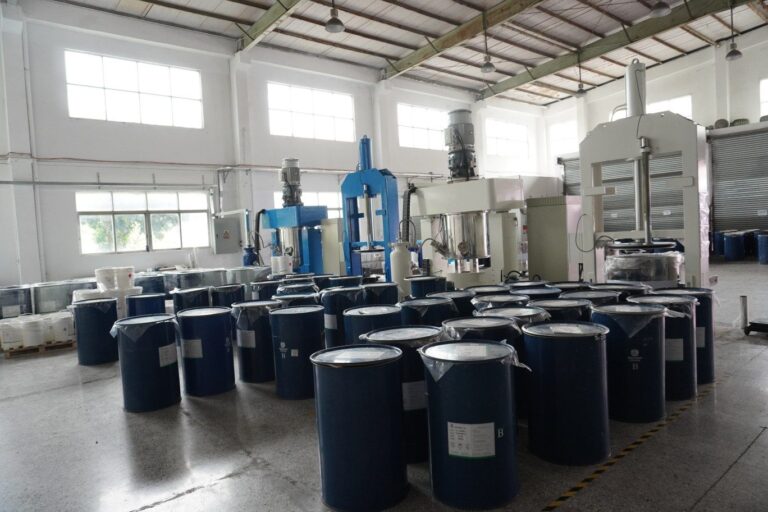
The downstream damage is rarely subtle. The wrong backing delaminates under lamination pressure, hydrolyzes two seasons early, or fails a REACH screen because of recycled-content contaminants. At our three production bases, every base fabric roll gets verified at unwinding — before coating, not after. That single check catches most identification errors at the cheapest possible stage.

Every base fabric roll passes inspection before it enters the coating line.
How to Identify Fabric: Five Tests on the Warehouse Floor
You do not need a lab to catch most mislabeling. Run these five checks on a sample cut from the roll edge:
- Burn test. Pull a few yarns from the backing. Cotton and linen burn like paper and leave soft gray ash. Polyester shrinks from the flame, melts, and hardens into a bead. Nylon smells faintly of celery.
- Backside inspection. Look at what the coating is built on: woven, knit, or nonwoven. This alone separates most substrate classes.
- Touch and drape. Natural fiber backings feel dry and flexible; polyester backings feel slick and springy.
- Water behavior. Cotton absorbs quickly, polyester beads and dries fast. A wet spot that lingers points to cellulosic fiber.
- GSM check. Weigh a cut square. A 300+ GSM backing usually signals a sturdy woven construction; much lighter suggests knit or nonwoven.
The burn test remains the fastest discriminator for single-fiber backings. Blends and finishes blur the results, so treat it as a screening tool — not proof. Published fiber-by-fiber burn criteria, such as FabricLink’s reference chart, make a good bench companion.
Reading the Backside: Identify Fabric Hidden Under the Coating
On coated materials the face tells you almost nothing; the back tells you everything. Part the pile at the selvedge and check three things: weave regularity, fiber luster, and how the yarns release when you scratch them sideways.
A uniform matte fuzz that lifts in fine fibers suggests a knitted or PET substrate. Our PET-backed silicone leather uses recycled bottle-grade yarn, so the backing reads slightly bluish-white under bright light.
A dense, suede-like nonwoven face that resists peeling points to microfiber. That construction supports higher tear loads — see how microfiber-based silicone leather is built for demanding upholstery.
Woven, knitted, or nonwoven? Two minutes on how substrate choice changes the finished material.
When Field Tests Are Not Enough: Lab Methods
Field tests screen. Labs settle disputes. FTIR spectroscopy identifies polymer coatings in seconds and catches PVC where PU was declared. ISO 1833 quantitative analysis separates fiber blends chemically, down to the percentage.
Performance claims should trace back to the same rigor. In our testing, silicone coatings paired with verified backings hold tensile strength at ≥15 N/mm (ISO 3376) and survive 100,000+ flexing cycles (ISO 5402). Abrasion passes 200,000 Martindale cycles (ISO 12947-2) — a number worth requesting on any supplier’s TDS.

Two-person verification at unwinding: label check, GSM check, visual defect scan.
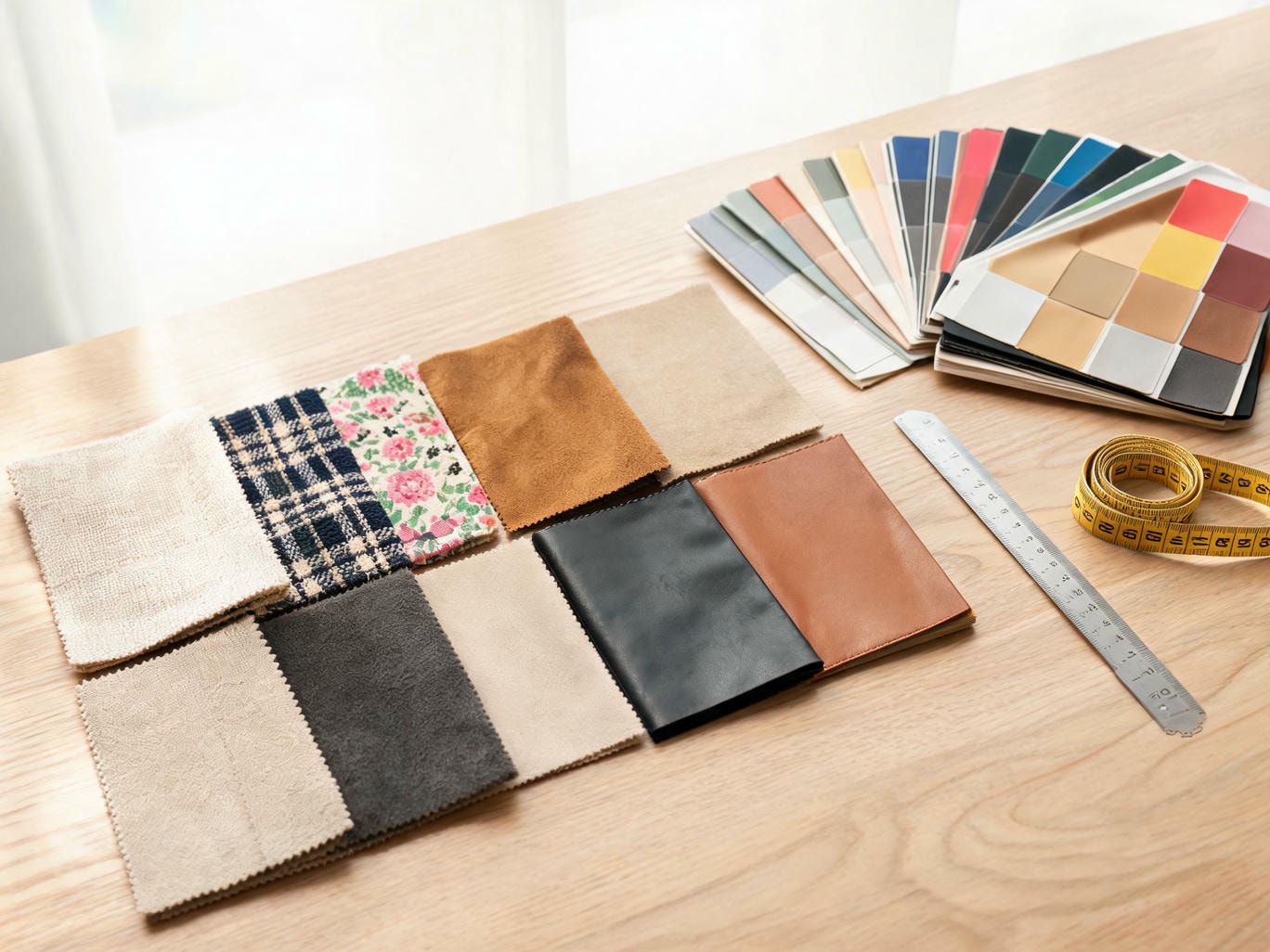
Coated face versus textile backing: the two layers a buyer must verify separately.
Your Pre-Purchase Fabric Identification Checklist
Before you sign the next roll order, run this list:
- Burn-test the backing on a sample from every roll colorway.
- Photograph the backside under raking light and compare against the spec sheet.
- Weigh one square meter and confirm the declared GSM within ±10%.
- Request FTIR or ISO 1833 reports for any blend you cannot identify yourself.
- Audit the supplier’s incoming-fabric inspection process, not just the finished roll.
To identify fabric is to know what you are actually buying. Five minutes of inspection on the dock costs far less than five weeks of rework on the line.
Request Silicone Leather Samples
About TOPSUN
TOPSUN manufactures silicone leather on verified PET, microfiber, and knitted backings for upholstery, automotive, and consumer-goods programs where substrate errors translate directly into warranty claims.
Incoming-fabric verification at unwinding · Full ISO 3376 / 5402 / 12947-2 test data per batch · Custom GSM and width options · REACH-compliant coating systems.
References
1. https://www.mordorintelligence.com/industry-rep… — synthetic leather market size $48.84B (2026) and 8.03% CAGR forecast to 2031.
2. https://www.fabriclink.com/university/BurnTest.cfm — fiber-by-fiber burn test identification criteria.