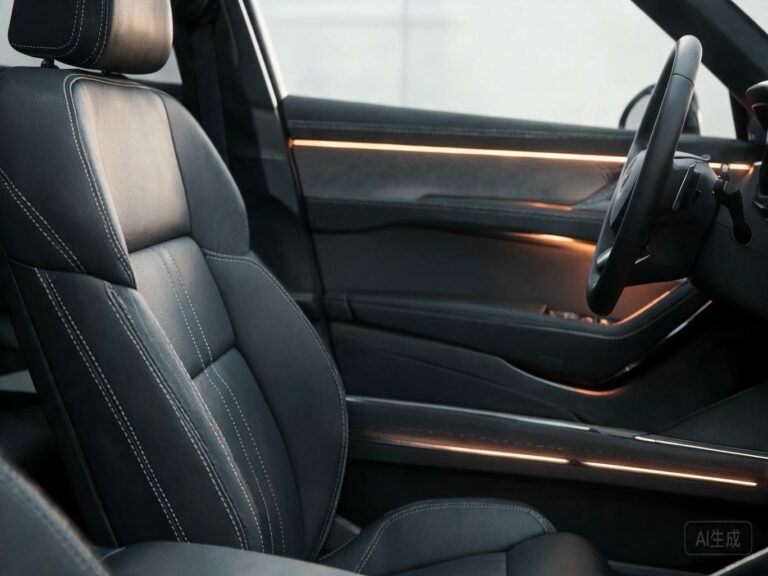
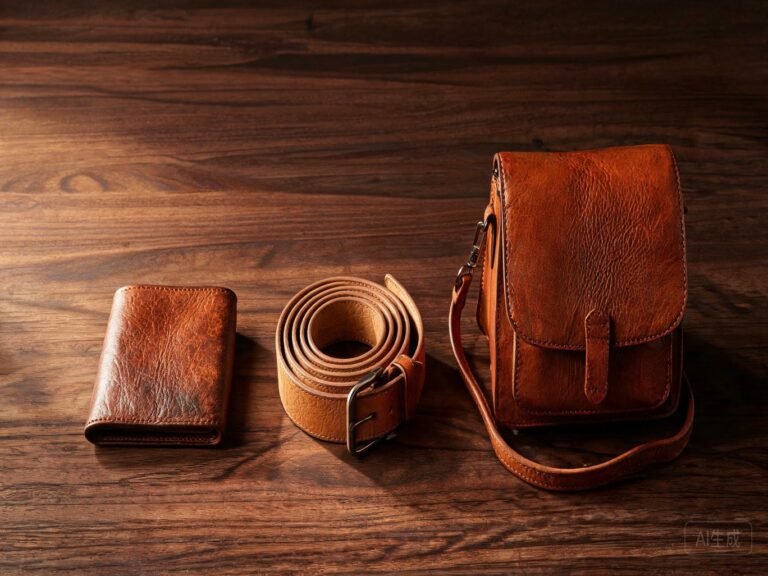
A furniture brand received 47 warranty claims for peeling sofa upholstery, all within the same 18-month window. The spec sheet said “genuine leather.” The marketing said “real leather.” Both were technically true — and both missed the point entirely. When people ask whether genuine leather is real leather, the answer is yes, but that’s the wrong question. The right question is: which layer of the hide does it come from, and how long will it survive in a commercial environment? Here’s what B2B specifiers need to understand before signing off on any “genuine leather” material specification.
Compare Silicone vs Conventional Leather
What “Genuine Leather Is Real Leather” Actually Means in the Industry
The phrase “genuine leather is real leather” is technically accurate and commercially misleading in equal measure. In the leather industry, “genuine” is not a quality endorsement — it’s a legal grade designation. Under FTC guidelines in the US and equivalent regulations in most international markets, “genuine leather” means the product is made from animal hide. That’s it. The term says nothing about which part of the hide, how it was processed, or how long it will last.
Here’s what actually happens: a cowhide gets split into layers. The top layer — the grain — becomes full-grain and top-grain leather, the grades that last decades and develop patina. The bottom layer — the corium or split — is what becomes “genuine leather.” It has no natural grain of its own, so manufacturers heavily process it: sanding the surface, applying polyurethane coatings, and stamping an artificial grain pattern to make it look like something it isn’t. The Federal Trade Commission allows this to be labeled “genuine leather” because the base material is, in fact, animal hide.

Leather layering display — the top grain layers become full-grain and top-grain; the bottom split becomes “genuine leather”
The Leather Quality Ladder: Where Genuine Leather Sits
Leather grading follows a strict hierarchy based on which layer of the hide the material comes from and how much natural surface remains intact. Understanding this ladder is essential for B2B sourcing — specifying “genuine leather” when you meant “full-grain” is a costly mistake that shows up in warranty claims 18 months later.
| Grade | What It Is | Typical Lifespan | Develops Patina? | Price Tier |
|---|---|---|---|---|
| Full-grain | Top layer, grain fully intact, no sanding | Decades — often a lifetime | Yes — improves with use | Highest |
| Top-grain | Top layer, lightly sanded and finished | Several years | Light — tends to fade | Mid to high |
| Genuine | Bottom split, heavily corrected, coated | 1-3 years | No — peels and cracks | Budget to mid |
| Bonded | Shredded scraps glued to backing | Under 2 years | No — degrades rapidly | Lowest |
| Silicone leather | Silicone-coated fabric, no animal hide | 5-10+ years | No — maintains original appearance | Mid |
The data tells the story. Genuine leather — the grade most commonly specified in B2B contracts because it sounds premium and costs less than full-grain — has a 1-3 year service life. It peels. It cracks. The artificial grain coating delaminates from the split underneath. When that happens in a commercial furniture or automotive application, the warranty claims start arriving.

Macro texture of silicone leather — the grain pattern is engineered into the coating, not stamped onto a split hide that will delaminate
Why Genuine Leather Costs More Over 5 Years Than Higher Grades
The TCO trap of genuine leather works like this: it costs 40-60% less than full-grain upfront, which makes it attractive on a procurement budget sheet. But its 1-3 year lifespan means you’re replacing it — or fielding warranty claims — while full-grain and silicone alternatives are still in their first quarter of service life.
In our experience working with commercial furniture applications, a genuine leather sofa in a high-traffic environment (hotel lobby, co-working space, restaurant) shows visible wear within 18 months. The polyurethane coating on the corrected surface begins to crack at stress points — armrests, seat edges, backrest creases. By year 3, the material is unsalvageable. The same application in silicone leather shows minimal wear at year 5.
TCO calculation: Genuine leather at $15/sqft × 3 replacements over 5 years = $45/sqft. Full-grain leather at $35/sqft × 1 replacement = $35/sqft. Silicone leather at $22/sqft × 0 replacements = $22/sqft. The “budget” option is the most expensive over a 5-year horizon.
That’s not a theoretical exercise. One of our clients — a hotel chain with 200 properties — switched from genuine leather to silicone leather for lobby seating. Their warranty claim rate dropped from 12% annually to under 1%. The material cost was 30% higher per square foot. The lifecycle cost was 60% lower. The math is simple once you stop looking at unit price and start looking at cost-per-year-of-service.
Service life comparison — see the real-world durability difference between genuine leather and silicone leather over a multi-year timeline
Genuine Leather Is Real Leather, But Silicone Is the Smarter Spec
Here’s where the analysis lands. Yes, genuine leather is real leather — but “real” and “good” are not the same thing. For B2B applications where warranty periods, maintenance schedules, and total cost of ownership matter, the question isn’t whether your material is technically animal hide. The question is whether it will still look acceptable in year 3, year 5, year 7.

Genuine leather material texture — the corrected surface coating that peels within 3 years, vs silicone leather that maintains structural integrity for 5-10+ years
Silicone leather isn’t animal hide, and we won’t pretend it is. What it offers is a different value proposition: the silicone polymer coating doesn’t peel, doesn’t delaminate, and doesn’t require the corrected-surface coatings that make genuine leather fail. It delivers a 5-10 year service life in commercial applications, passes the same abrasion standards (100,000+ Martindale cycles) that full-grain leather passes, and costs less than half of what full-grain runs per square foot.

Top-grain and genuine leather applications — the quality gap between grades becomes visible within 2-3 years of commercial use
For a detailed durability comparison across material types, our silicone vs genuine leather durability analysis breaks down the specific test data behind the service life claims.
And for the full cost picture — unit price, replacement frequency, warranty exposure — the leather vs silicone leather cost comparison provides the TCO math that procurement teams need.
Frequently Asked Questions
Is genuine leather better than synthetic leather?
It depends entirely on which grade of genuine leather and which type of synthetic. Full-grain genuine leather outperforms most synthetics in durability and patina development. But “genuine leather” — the grade — typically lasts 1-3 years before peeling, while premium silicone leather lasts 5-10+ years in the same applications. The label “genuine” is not a quality indicator; it’s a legal grade designation for the lowest split of the hide. A B2B buyer who specifies “genuine leather” expecting full-grain performance will be replacing upholstery within 3 years.
How long does genuine leather last before it starts peeling?
Genuine leather — the corrected split grade, not full-grain — typically shows visible surface degradation within 18-24 months of regular commercial use. The polyurethane coating applied to the corrected surface begins cracking at stress points (armrests, seat edges), followed by delamination of the stamped grain pattern. Complete material failure — peeling, flaking, structural breakdown — usually occurs between years 2 and 3. Environmental factors like UV exposure, humidity cycles, and cleaning chemical contact accelerate this timeline. Full-grain leather, by contrast, can last decades without peeling because it has no applied coating to delaminate.
The Bottom Line on Leather Grades
The statement “genuine leather is real leather” is technically correct and commercially dangerous. Yes, it comes from an animal hide. But it comes from the weakest layer, has no natural grain, and carries a service life that makes it the most expensive “budget” material in B2B procurement. When you’re specifying for commercial furniture, automotive interiors, or any application with a warranty period longer than 2 years, the grade matters more than the label. Specify full-grain if the budget allows. Specify silicone leather if you need the durability without the hide price. But don’t specify “genuine leather” and expect anything beyond what the grade actually delivers: 1-3 years of service before the warranty claims begin.
Request Material Comparison Samples
About TOPSUN
TOPSUN engineers silicone leather alternatives to genuine leather that deliver the aesthetic and durability of full-grain hide without the quality inconsistency and 3-year peeling timeline that plagues the “genuine” grade.
Our material exceeds 100,000 Martindale abrasion cycles, passes REACH Annex XVII and RoHS compliance, and maintains structural integrity from -30°C to 200°C — backed by SGS-certified test data available on request.