Genuine leather for upholstery carries a prestige that synthetic materials still struggle to match. The natural grain, the way it ages, the smell — these are sensory qualities that marketing teams love and buyers will pay a premium for. But for procurement managers specifying commercial furniture, hospitality seating, or automotive interiors, genuine leather’s real-world economics are more complicated than its reputation suggests.
Here’s what seasoned upholstery buyers know that the average consumer doesn’t: “genuine leather” is actually the lowest grade of real leather you can buy. The term means the material comes from animal hide, but it tells you nothing about which part of the hide, how it was processed, or how long it will last. Between full-grain and bonded leather — both technically “genuine” — there’s a 10x difference in price and a 5x difference in lifespan.
Compare Leather vs Silicone Upholstery
The 4 Grades of Genuine Leather for Upholstery
Not all genuine leather is created equal. A single cowhide produces multiple quality tiers, separated by which layer of the hide is used and how much processing it receives. For upholstery applications, these four grades dominate the market:
| Grade | What It Is | Upholstery Lifespan | Relative Cost |
|---|---|---|---|
| Full-Grain Leather | Topmost layer of hide, minimally processed, all natural grain intact | 15-25+ years | Highest (3-4x base) |
| Top-Grain Leather | Outer layer sanded to remove blemishes, coated with finish | 10-15 years | High (2-3x base) |
| Genuine (Split) Leather | Lower layers of hide after top grain is removed, embossed + PU coated | 3-7 years | Medium (base level) |
| Bonded Leather | Leather fibers + scraps bonded with adhesive on paper backing | 1-3 years | Lowest |

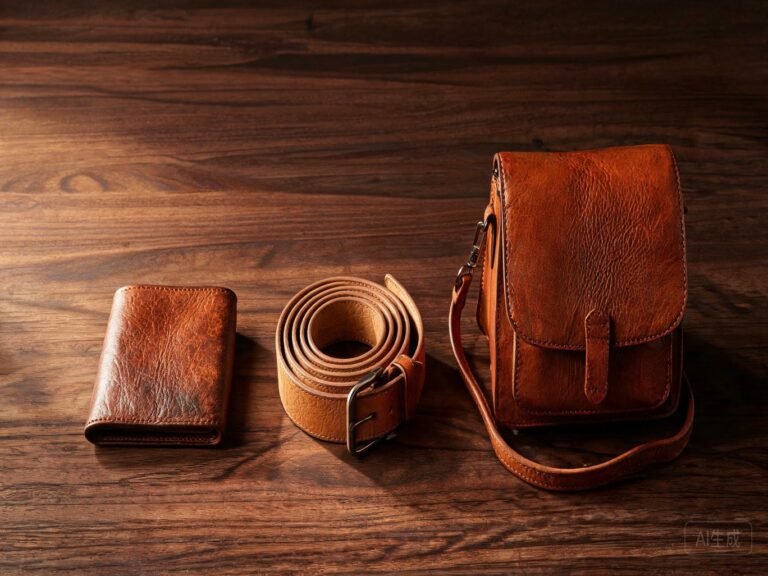
Full-grain leather shows natural grain variation — each hide is unique
The terminology confusion is intentional. Marketing departments love the label “genuine leather” because it lets them advertise real leather at budget prices without mentioning that the material comes from the weakest part of the hide. For commercial upholstery buyers, this creates a classic specification trap: you think you’re upgrading to real leather, but you’re actually getting a product that may peel and degrade faster than a good synthetic.
Procurement tip: Never specify “genuine leather” on a BOM. Always specify the grade — full-grain, top-grain, or split — and require test certificates for abrasion resistance and tear strength.
What Genuine Leather Upholstery Actually Costs Over Time
The upfront price of genuine leather upholstery is only the beginning. The total cost of ownership includes maintenance, repair, and early replacement — and these expenses are where leather’s true economics show up.
For a typical commercial sofa program, here’s how the numbers pencil out over a 7-year period:
| Cost Component | Top-Grain Leather | Genuine (Split) Leather | Premium Silicone |
|---|---|---|---|
| Material Cost (per sofa) | $1,200-$1,800 | $600-$900 | $700-$1,000 |
| Annual Maintenance | $120-$180 (conditioning 2x/year) | $80-$120 | $0 (wipe clean) |
| Repairs (7 years) | $200-$400 (scratches, cracks) | $300-$600 (peeling, flaking) | $0-$50 |
| Replacement Needed? | No (10-15 yr life) | Yes (re-cover at year 5-6) | No (10-15+ yr life) |
| 7-Year TCO | $2,240-$3,460 | $1,460-$2,340 + re-cover | $700-$1,050 |

Abrasion testing reveals how upholstery materials hold up under real-world wear conditions
In the hospitality sector, where sofas see heavy daily use, we’ve seen genuine split leather upholstery start peeling at the armrests and seat edges within 3-4 years. The PU coating on split leather wears through, exposing the fibrous hide underneath. Once that happens, the material deteriorates rapidly and requires full re-upholstery — which often costs more than the original furniture was worth.
Where Genuine Leather Upholstery Falls Short
Genuine leather has undeniable aesthetic appeal, but it comes with practical limitations that matter more in commercial settings than in residential use. These are the pain points that drive procurement teams to evaluate alternatives:
- Inconsistent quality from hide to hide. Every animal hide is different — variations in thickness, natural marks, and color mean you get material variability that synthetic products simply don’t have. For large commercial orders, this can result in visible differences between seating units in the same room.
- Poor UV and sun resistance. Genuine leather fades, dries out, and cracks when exposed to direct sunlight. In spaces with large windows or skylights, you may see noticeable color change within 2-3 years. Furniture applications with sun exposure need either window treatments or a more UV-stable material.
- Moisture absorption and staining. Leather is porous. Spills from coffee, wine, or cleaning chemicals penetrate the surface and cause permanent staining unless treated immediately. In food service, healthcare, and family-focused hospitality settings, this is a significant maintenance burden.
- High maintenance requirements. Genuine leather needs regular conditioning — typically every 6-12 months — to prevent drying and cracking. For a hotel with 200 leather chairs, that’s a recurring labor and materials cost that never goes away.
- Supply chain and ethical concerns. Animal leather supply chains are increasingly scrutinized for environmental impact (deforestation, water use, chemical tanning) and animal welfare. Brands with ESG commitments are finding it harder to justify leather sourcing.

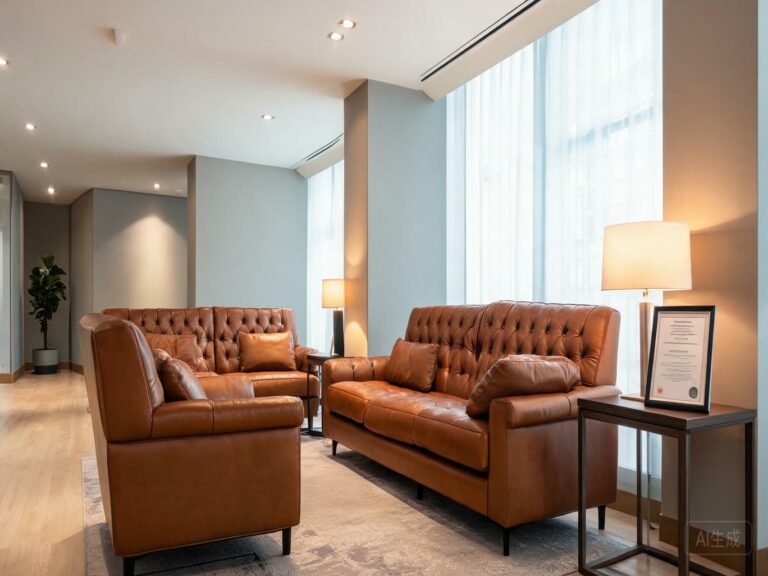
Genuine leather sofas carry a premium aesthetic but require careful maintenance
Let’s be honest — none of these drawbacks matter if you’re specifying a single statement piece for a low-traffic executive lounge. In that context, genuine leather’s natural character and prestige are worth the investment. But for high-utilization commercial environments, the math changes. The question isn’t whether leather is “better” — it’s whether its premium status justifies the ongoing cost and maintenance risk.
See how silicone leather compares to genuine leather across key performance metrics
Genuine Leather vs. High-End Alternatives
The market for leather alternatives has matured significantly. Ten years ago, choosing “faux leather” meant accepting a noticeably cheaper look and feel. Today, premium synthetic options like silicone leather can match or exceed genuine leather in several performance categories while maintaining a convincing leather-like aesthetic.
| Factor | Top-Grain Leather | Silicone Leather | PU Faux Leather |
|---|---|---|---|
| Visual Authenticity | Excellent (natural grain) | Very good (embossed grain) | Good (varies by quality) |
| Durability | Good (10-15 yr) | Excellent (10-15+ yr) | Fair (2-5 yr) |
| Stain Resistance | Poor (absorbs spills) | Excellent (non-porous) | Moderate |
| UV Resistance | Poor (fades, cracks) | Excellent | Poor |
| Maintenance | High (conditioning) | Minimal (wipe clean) | Moderate |
| Consistency | Variable (natural) | Perfect (uniform rolls) | Good |
| Cruelty-Free | No | Yes | Yes |
The decision often comes down to this: does your project need the prestige of real leather, or does it need consistent performance and low total cost of ownership? For luxury residential and boutique hospitality, genuine top-grain leather remains a valid choice. For high-traffic commercial furniture, healthcare, automotive, and marine applications, premium synthetic leather alternatives frequently deliver better value over the product lifecycle.
Request Side-by-Side Material Samples
Making the Right Call
Genuine leather for upholstery isn’t going anywhere — its unique aesthetic and cultural cachet ensure it will remain a premium option for years to come. But the definition of “premium” is expanding. Today’s best synthetic upholstery materials match genuine leather in appearance while surpassing it in durability, cleanability, and consistency.
If you’re evaluating upholstery materials for a B2B project, don’t let the “genuine leather” label make the decision for you. Specify the performance you need — abrasion cycles, UV resistance, cleanability, warranty — and then find the material that meets those specs at the best total cost. Sometimes that will be genuine top-grain leather. Often, especially in commercial settings, it won’t.
Explore Furniture Upholstery Solutions
About TOPSUN
TOPSUN supplies high-performance silicone upholstery leather as a genuine leather alternative for commercial furniture, hospitality seating, and automotive interior programs. Our materials are engineered to match the look and feel of premium leather while eliminating the maintenance and consistency challenges of natural hide.
200,000+ Martindale cycles, 100% waterproof, zero VOC emissions, and REACH/PAHs certified. Custom grain patterns, colors, and backing fabrics available for OEM furniture manufacturers and contract upholsterers.